

You’re probably wondering whether your diet has something to do with hair growth.
The answer?
It might.
Here’s the good news.
You don’t need expensive supplements to start supporting healthier hair.
Many of the nutrients your follicles need can already be found in everyday foods.
Let’s look at ten of the best superfoods that may help support healthier hair growth.
Step 1: Feed Your Hair From the Inside Out
1. Eggs – One of the Best Sources of Protein and Biotin
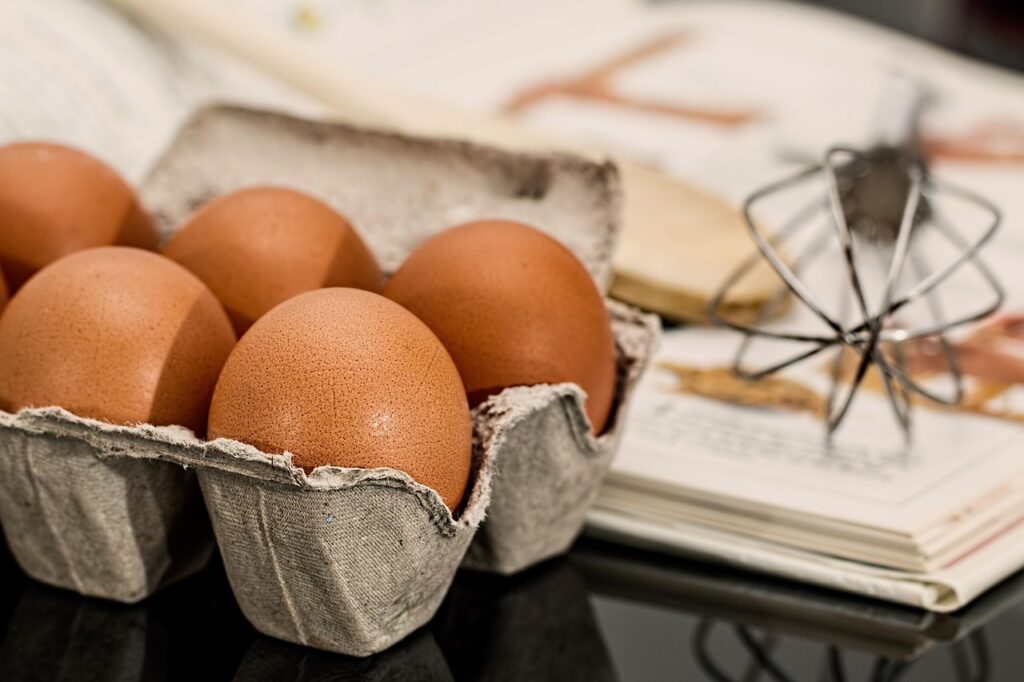
If you could only choose one food for healthier hair, eggs would be near the top of the list.
Hair is made primarily from keratin, a protein. Without enough dietary protein, your body may prioritise more essential organs over hair production, which can affect hair quality.
Eggs also contain biotin, vitamin B12 and selenium, nutrients involved in healthy hair growth and follicle function.
Try this:
Aim to include eggs two or three times a week as part of a balanced diet.
2. Salmon – Rich in Omega-3 Fatty Acids
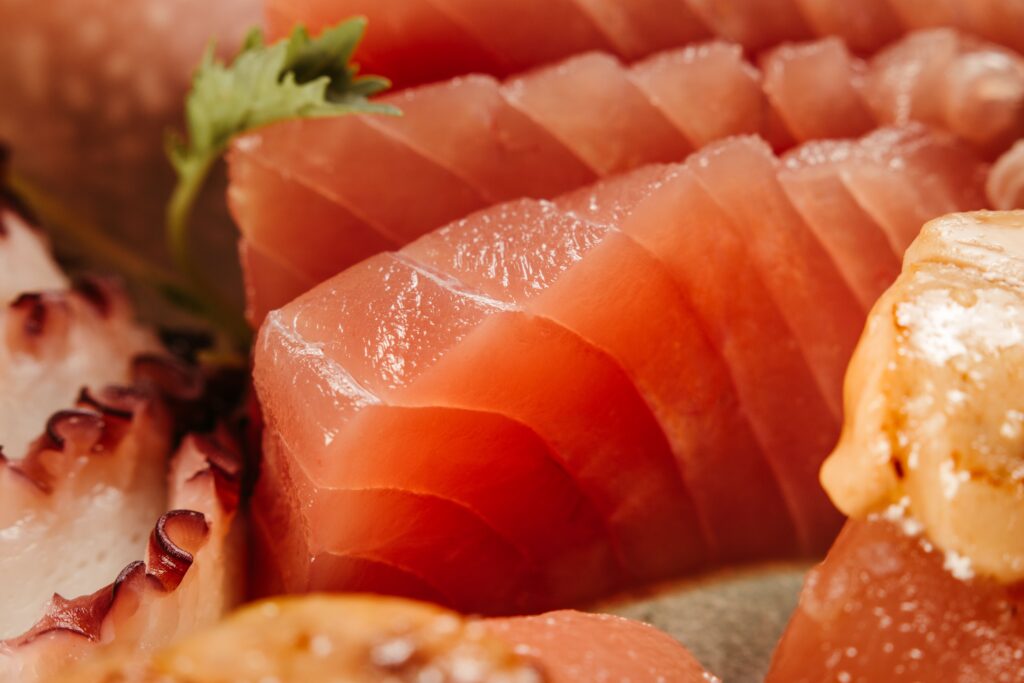
Healthy hair starts with a healthy scalp.
Salmon contains omega-3 fatty acids, high-quality protein and vitamin D, all of which support scalp health and normal hair growth.
Omega-3 fats may also help reduce inflammation, creating a healthier environment for hair follicles.
Try this:
Eat oily fish at least once or twice each week.
3. Spinach – Packed with Iron and Folate
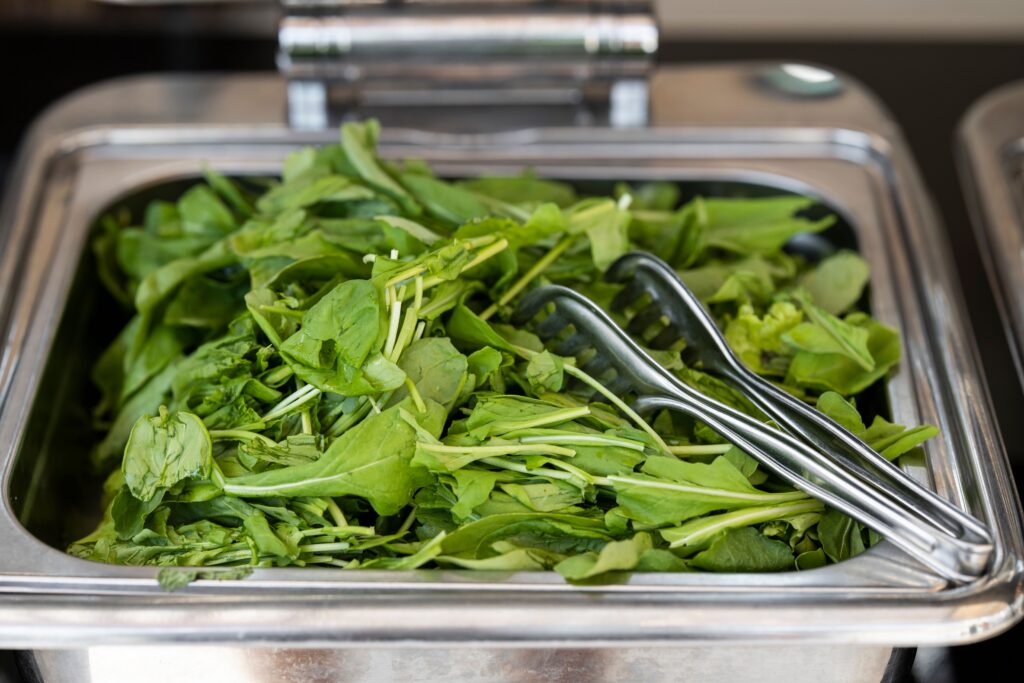
Iron helps red blood cells carry oxygen throughout the body, including to your hair follicles.
Low iron levels are one of the most common nutritional deficiencies associated with excessive hair shedding.
Spinach also provides folate, vitamin C and vitamin A, nutrients involved in normal cell growth.
Try this:
Add spinach to omelettes, salads or smoothies several times each week.
4. Greek Yoghurt – High in Protein and Vitamin B12
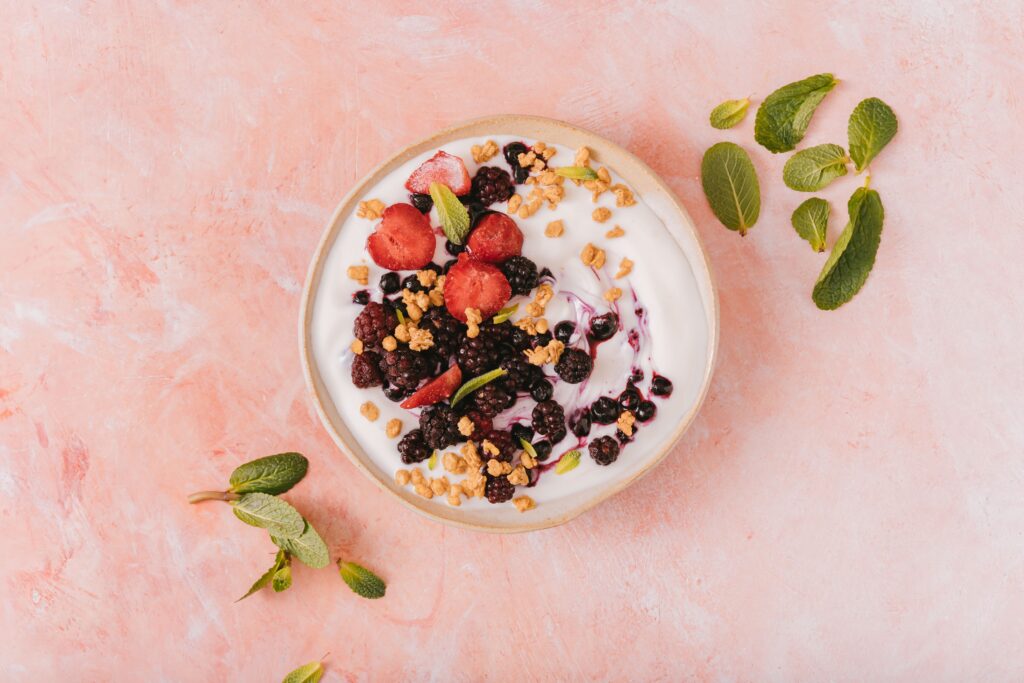
Greek yoghurt offers an excellent combination of protein, calcium and vitamin B12.
Protein provides the building blocks for keratin, while vitamin B12 supports healthy red blood cell production, helping deliver oxygen and nutrients to growing follicles.
Choose plain Greek yoghurt where possible and add berries or nuts for extra nutrients.
5. Walnuts – Small but Nutrient Dense
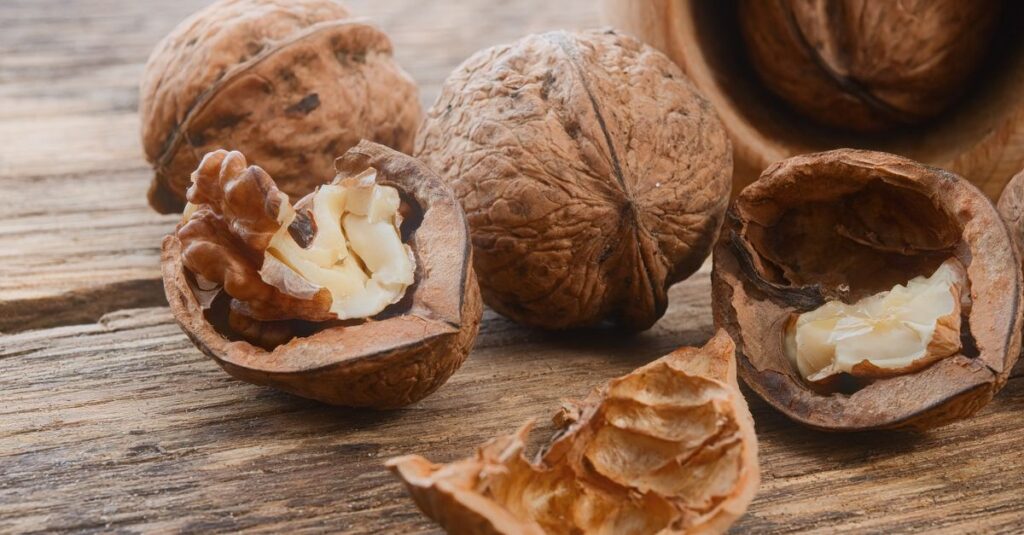
Walnuts provide:
- Omega-3 fatty acids
- Vitamin E
- Zinc
- Copper
Vitamin E acts as an antioxidant, helping protect cells from oxidative stress, while zinc supports normal tissue repair and hair follicle health.
A small handful makes an easy daily snack.
Step 2: Add More Hair-Friendly Nutrients to Your Plate
6. Sweet Potatoes – A Natural Source of Beta-Carotene
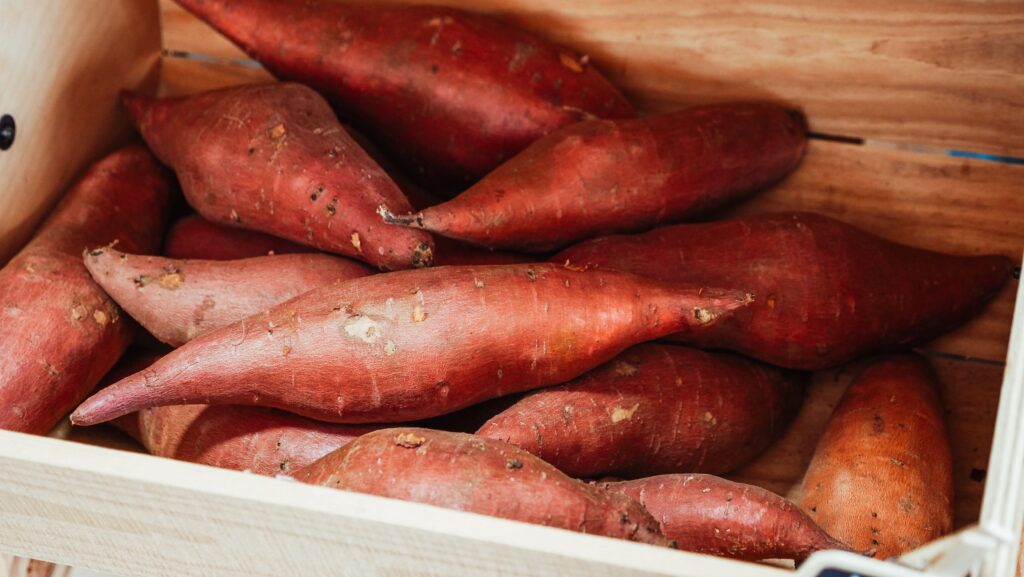
Sweet potatoes are rich in beta-carotene, which your body converts into vitamin A.
Vitamin A supports healthy skin and helps maintain the scalp.
However, balance is important.
Too much vitamin A from supplements can actually contribute to hair loss, so it’s generally safer to obtain it through foods rather than high-dose supplements.
7. Lentils – Plant Protein That Supports Hair Growth
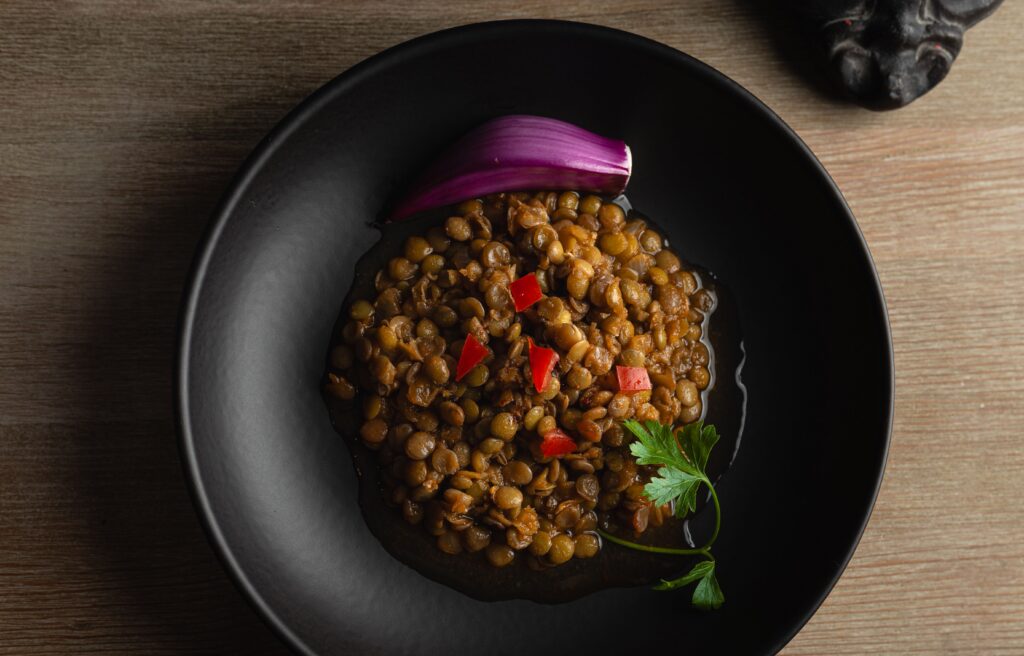
Lentils are a fantastic choice if you’re trying to increase your plant-based protein intake.
They’re rich in:
- Protein
- Iron
- Zinc
- Folate
These nutrients support normal cell division and healthy hair production.
They’re also affordable, making them a great everyday option.
8. Berries – Packed with Vitamin C
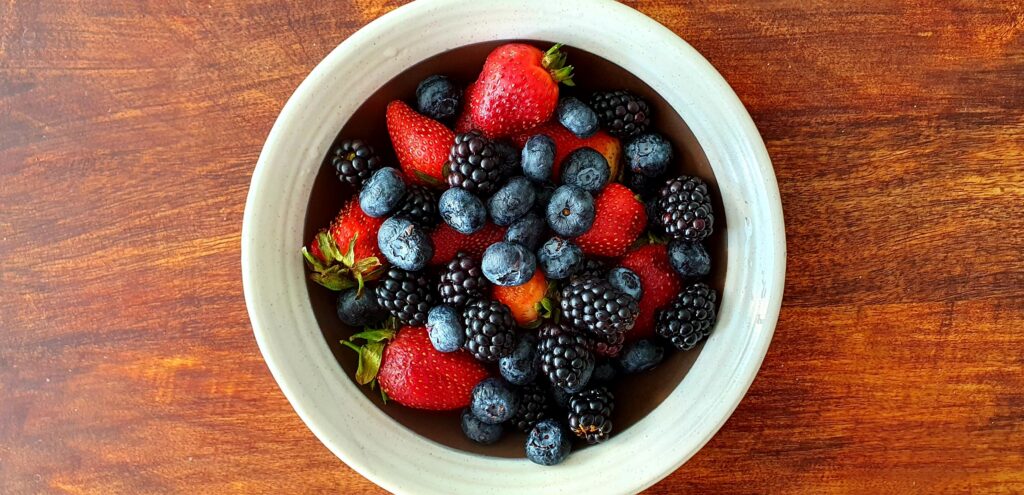
Vitamin C does more than support your immune system.
It helps your body absorb iron more effectively and contributes to collagen production, an important structural protein found in the skin surrounding hair follicles.
Blueberries, strawberries and raspberries are all excellent choices.
9. Pumpkin Seeds – Tiny Seeds with Big Benefits
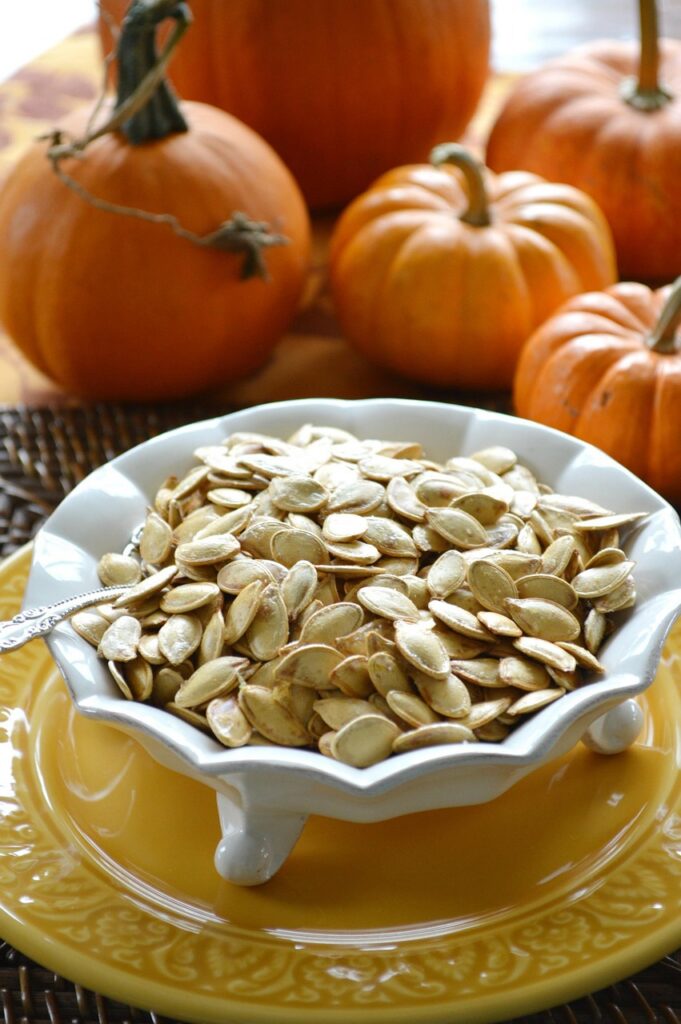
Pumpkin seeds contain zinc, magnesium and healthy fats.
Zinc is particularly important because it supports normal hair follicle function and tissue repair.
A zinc deficiency has been linked with several forms of hair loss, although taking extra zinc without a confirmed deficiency isn’t recommended.
Try this:
Sprinkle pumpkin seeds over porridge, yoghurt or salads.
10. Avocados – Healthy Fats for Healthier Hair
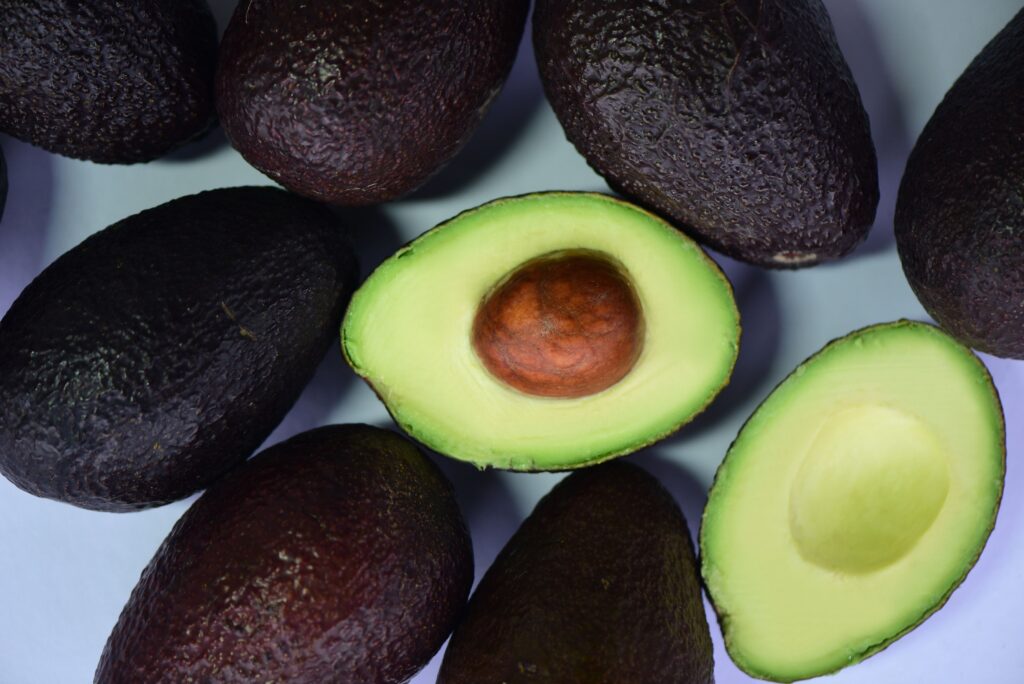
Avocados provide monounsaturated fats and vitamin E, nutrients that help maintain healthy skin and support the scalp’s natural barrier.
Healthy fats also help your body absorb fat-soluble vitamins such as vitamins A, D, E and K.
Add avocado to sandwiches, salads or breakfast toast for an easy nutrient boost.
Step 3: Build a Hair-Friendly Eating Routine
Here’s where many men go wrong.
They eat one “superfood” and expect dramatic results.
Hair growth doesn’t work like that.
Your follicles need a consistent supply of nutrients over several months because hair grows slowly—typically around one centimetre each month.
Instead of focusing on individual foods, aim for variety.
A balanced diet containing lean proteins, colourful vegetables, fruits, healthy fats and whole grains provides a wider range of nutrients than relying on supplements alone.
If you suspect a nutritional deficiency, speak to your GP or a registered dietitian before starting supplements.
Different Situations: What Should You Eat?
For Men Experiencing Hair Thinning
Focus on:
- Eggs
- Salmon
- Lentils
- Spinach
These foods provide protein and essential nutrients that support healthy follicles.
For Men With Dry Hair
Include more healthy fats such as:
- Avocados
- Walnuts
- Salmon
These foods support scalp health and help maintain the skin barrier.
For Men Following a Vegetarian Diet
Choose:
- Lentils
- Greek yoghurt
- Pumpkin seeds
- Spinach
- Eggs (if included in your diet)
Pay particular attention to getting enough protein, iron and vitamin B12.
Frequently Asked Questions
Can certain foods stop hair loss?
No single food can stop genetic male pattern hair loss. However, eating a balanced diet rich in protein, vitamins and minerals helps support normal hair growth and may reduce hair shedding caused by nutritional deficiencies.
What is the best vitamin for hair growth?
There isn’t one “best” vitamin. Healthy hair depends on several nutrients, including protein, iron, zinc, vitamin D, vitamin C and biotin. Unless you have a confirmed deficiency, getting these nutrients from food is usually the best approach.
Can poor nutrition cause hair loss?
Yes. Inadequate intake of protein, iron, zinc and other nutrients can contribute to excessive hair shedding or slower hair growth.
How long does it take to notice improvements?
Hair grows slowly, so noticeable improvements from dietary changes may take several months. Consistency is far more important than expecting immediate results.
Final Thoughts
When it comes to healthier hair, there isn’t a single miracle food.
Instead, think about building a plate that consistently provides your body with the nutrients it needs to support healthy hair growth.
Simple choices like eating more eggs, oily fish, leafy greens, berries and nuts won’t transform your hair overnight—but they can help create the best possible environment for stronger, healthier hair over time.
Small improvements to your diet today could make a noticeable difference in the months ahead.