


Have you noticed your hair looking thinner than it used to?
Maybe your hairstyle doesn’t have the same volume, or your scalp is becoming more visible under bright lights.
Before you start buying expensive products, here’s something worth knowing.
There isn’t a miracle cure for thick hair. But there are scientifically proven ways to support healthy hair growth and improve hair thickness over time.
Let’s look at what actually works.
Step 1: Feed Your Hair the Right Nutrients
Healthy hair starts from within.
Hair is made mainly from keratin, a protein, so your follicles need enough nutrients to produce strong, healthy strands.
Focus on foods rich in:
- Protein (eggs, chicken, fish and beans)
- Iron (spinach and lean red meat)
- Zinc (pumpkin seeds and nuts)
- Omega-3 fatty acids (salmon and walnuts)
For More Info- Read Our Full Blog on 10 Best Superfoods for Hair Growth In Men
👇
If you suspect a nutritional deficiency, speak to a healthcare professional before taking supplements. Recent reviews continue to show that correcting nutrient deficiencies can improve hair health, but supplements are unlikely to help if your levels are already normal (Liu et al., 2025).
Step 2: Look After Your Scalp
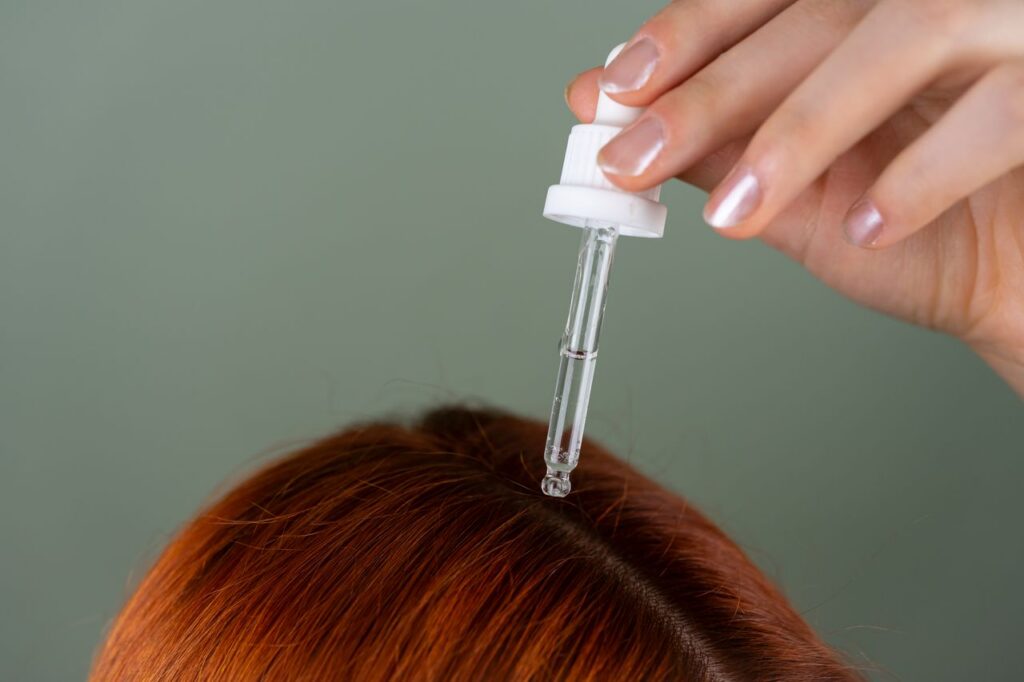
Here’s where many men get it wrong.
They focus on their hair but ignore their scalp.
A healthy scalp creates the best environment for healthy hair growth.
Keep your scalp in good condition by:
- Washing regularly with a gentle shampoo.
- Avoiding excessive product build-up.
- Treating dandruff or irritation early.
- Protecting your scalp from prolonged sun exposure.
Think of your scalp as the soil healthy soil helps healthy plants grow.
Step 3: Use Treatments Backed by Science
If you’re experiencing male pattern hair loss, lifestyle changes alone may not be enough.
Dermatology guidelines continue to recommend topical minoxidil as one of the most effective over-the-counter treatments for androgenetic alopecia. Clinical studies also suggest that microneedling (derma rolling) may improve results when used alongside minoxidil under appropriate guidance (Gupta et al., 2025).
The key?
Be consistent.
Visible improvements often take three to six months, so don’t expect overnight results.
Different Situations
If You Have Fine Hair
Choose lightweight styling products such as matte clay or styling powder to create the appearance of fuller hair without weighing it down.
If You’re Losing Hair
Take monthly photos to monitor changes and consider speaking with a dermatologist if thinning continues.
If You Have Dry Hair
Use a conditioner regularly and reduce excessive heat styling to minimise breakage.
Check Our Store to Buy from Our Mr.Manable Choice of Products

Key Takeaways
- Eat a balanced diet rich in protein, iron and zinc.
- Keep your scalp healthy and free from irritation.
- Use evidence-based treatments if you’re experiencing genetic hair loss.
- Stay consistent, healthy hair growth takes time.
- Speak to a healthcare professional if hair loss is sudden or severe.
Final Thoughts
Growing thicker hair isn’t about finding one miracle product.
It’s about combining healthy habits with treatments that are supported by scientific evidence.
Nourish your body, take care of your scalp, and stay consistent with your routine.
Small improvements today can lead to stronger, healthier-looking hair in the months ahead.