


Have you started noticing a thinning hairline or more hair in the shower drain?
If you’ve searched for hair loss solutions online, you’ve probably come across two of the most talked-about hair growth treatments: derma rolling (micro-needling) and minoxidil.
Some people swear by the derma roller. Others say minoxidil is the only treatment worth using.
So, who’s right?
The truth is, both treatments can help with hair growth but they work in very different ways. More importantly, the best option depends on your stage of hair loss, your lifestyle, and whether you’re willing to stay consistent.
Let’s break it down.
Step 1: Understand How Each Treatment Works for Hair Growth
What Is Minoxidil? How does it promote Hair Growth
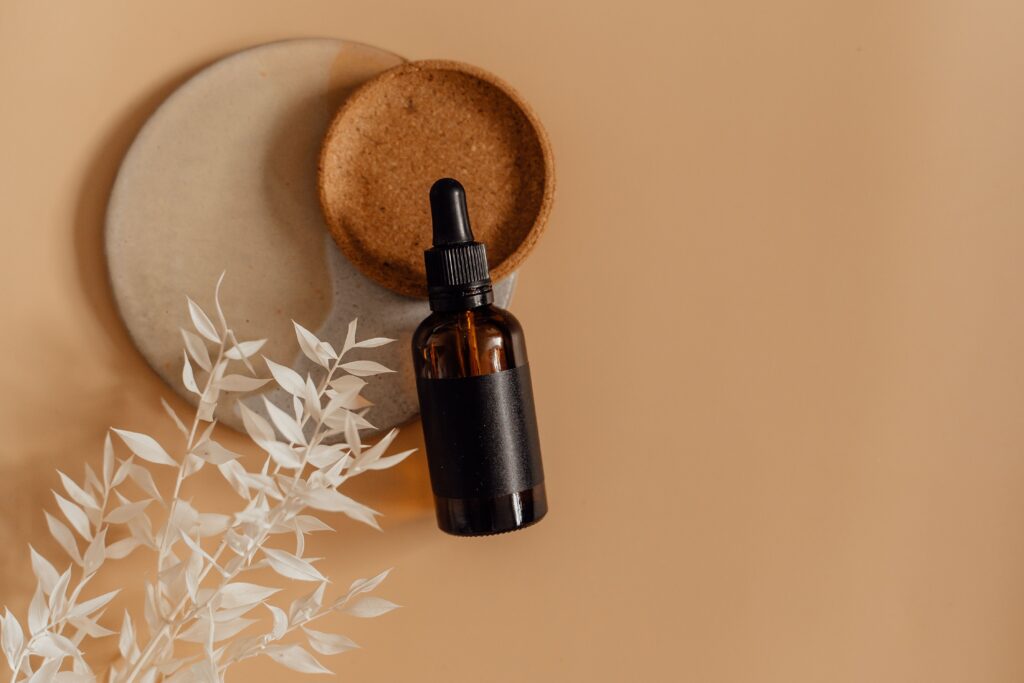
Minoxidil is one of the most widely studied treatments for male pattern hair loss (androgenetic alopecia).
Originally developed as a medication for high blood pressure, researchers discovered that one of its side effects was increased hair growth. Today, topical minoxidil is commonly available as a solution or foam and is approved in many countries for treating hair loss.
Although scientists are still studying its exact mechanism, minoxidil is believed to:
-
- Increase blood flow around hair follicles
-
- Prolong the hair’s active growth (anagen) phase
-
- Stimulate miniaturised follicles to produce thicker hairs
-
- Slow the progression of male pattern baldness
Clinical reviews published in 2025 continue to identify topical minoxidil as one of the first-line treatments for androgenetic alopecia because of its strong evidence base (Gupta et al., 2025).
What should you know?
Minoxidil doesn’t work overnight.
Most men need to use it consistently for three to six months before noticing visible improvements.
What Is a Derma Roller? Does it Promote Hair Growth
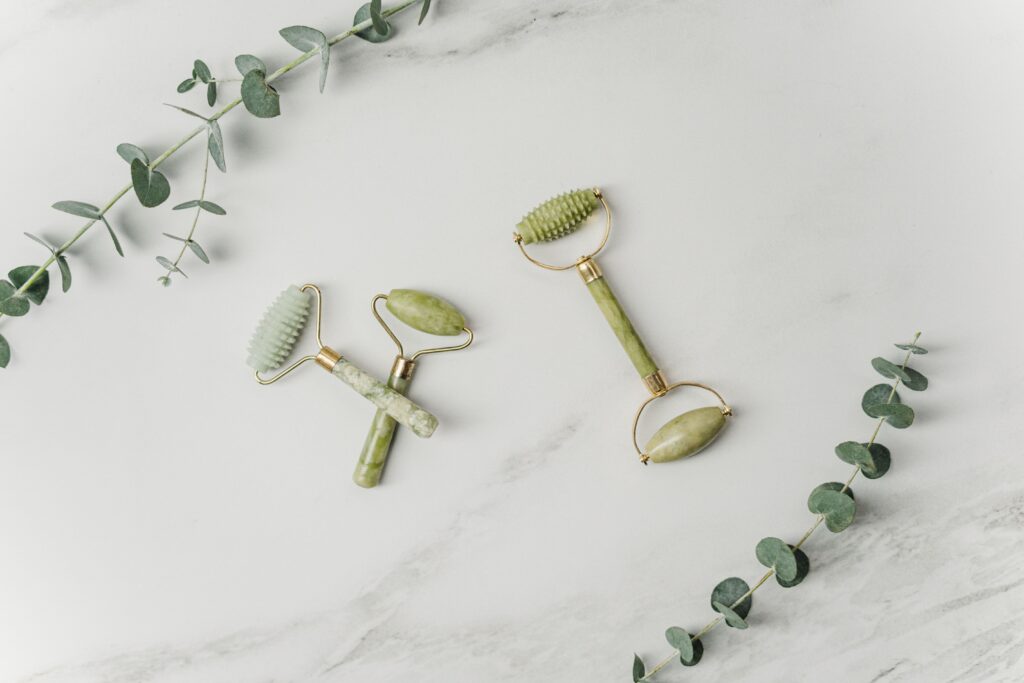
A derma roller is a handheld device covered with tiny needles that create controlled micro-injuries in the skin.
It might sound intimidating, but these microscopic punctures trigger the body’s natural healing response.
Researchers believe microneedling may:
-
- Stimulate growth factors involved in hair production
-
- Improve blood circulation to the scalp
-
- Encourage stem cell activity around hair follicles
-
- Increase the absorption of topical treatments such as minoxidil
Recent reviews suggest that microneedling has become an increasingly promising option for treating androgenetic alopecia, particularly when combined with established therapies rather than used alone (Liu et al., 2025).
What should you know?
More isn’t always better.
Microneedling too often or using needles that are too long at home can irritate the scalp and increase the risk of infection.
Always follow the manufacturer’s guidance or seek advice from a qualified healthcare professional.
Step 2: Which Treatment Works Better?
Here’s where things get interesting.
If you compare the two treatments on their own, minoxidil has the stronger evidence base.
It has been studied for decades and remains one of the most recommended first-line treatments for male pattern hair loss.
But recent research has shown something even more promising.
Several clinical studies have found that combining microneedling with minoxidil often produces better hair growth than using minoxidil alone.
Why?
Microneedling creates an environment that may help activate repair pathways within the scalp while also improving the delivery of topical treatments into the skin.
A 2025 review concluded that combination therapy consistently produced greater improvements in hair density and thickness than monotherapy in many patients with androgenetic alopecia (Gupta et al., 2025).
The takeaway
Think of minoxidil as helping to stimulate the follicle.
Think of microneedling as helping to create a healthier environment for that stimulation to occur.
Together, they may complement each other.
Step 3: Which Option Is Right for You?
Choose Minoxidil If…
Minoxidil may be the better option if you:
-
- Have early-stage male pattern hair loss
-
- Prefer an evidence-based treatment you can use at home
-
- Are happy applying a product once or twice daily
-
- Want a treatment supported by long-term clinical research
Consistency is key.
Stopping treatment usually means any benefits gradually disappear over time.
Choose a Derma Roller If…
Microneedling may suit you if you:
-
- Want to support your existing hair care routine
-
- Are comfortable following a weekly treatment schedule
-
- Are looking for a non-drug option to complement other therapies
Remember, microneedling should never be painful or cause excessive bleeding.
Gentle, controlled use is far more effective than aggressive rolling.
Consider Combining Both If…
Current evidence suggests this may offer the greatest potential benefit for many men with androgenetic alopecia.
If you’re considering combination therapy:
-
- Start with advice from a dermatologist or qualified healthcare professional.
-
- Allow the scalp to recover between microneedling sessions.
-
- Follow product instructions carefully when using topical treatments.
Different Situations: What Should You Do?
For Men With Early Hair Thinning
Early intervention often provides the best chance of slowing progression.
Tracking your hair with monthly photos can help you judge whether treatment is working.
For Men With Significant Hair Loss
If large areas of the scalp are already affected, speak to a dermatologist.
Medical treatments, combination therapy or other options may be more appropriate than relying on one treatment alone.
For Men With Sensitive Skin
If your scalp becomes easily irritated:
-
- Patch-test topical products where appropriate.
-
- Avoid microneedling on inflamed or infected skin.
-
- Stop treatment if irritation persists and seek professional advice.
For Men Looking for Natural Solutions
While a healthy diet, stress management and good scalp care support overall hair health, they cannot reverse genetic male pattern baldness on their own.
Lifestyle changes work best alongside evidence-based treatments when appropriate.
Frequently Asked Questions
Does a derma roller work better than minoxidil?
On its own, minoxidil has stronger clinical evidence. However, studies suggest combining microneedling with minoxidil may produce greater improvements in hair density than using minoxidil alone.
Can I use a derma roller and minoxidil together?
Yes. Many dermatologists use combination therapy for suitable patients. Follow professional guidance on when to apply minoxidil after microneedling to minimise irritation.
How long does minoxidil take to work?
Most people need to use minoxidil consistently for around three to six months before seeing noticeable results.
Does microneedling regrow hair?
Microneedling may improve hair density and thickness in some people, particularly when combined with established treatments. Results vary depending on the cause and stage of hair loss.
Key Takeaways
-
- Minoxidil remains one of the most well-researched treatments for male pattern hair loss.
-
- Microneedling supports natural repair processes and may enhance treatment outcomes.
-
- Combination therapy often performs better than either treatment alone.
-
- Consistency is more important than expecting quick results.
-
- If hair loss continues to worsen, seek advice from a dermatologist.
Final Thoughts
When it comes to derma roller vs minoxidil, there isn’t a single winner for every man.
Minoxidil has decades of clinical evidence behind it and remains a trusted first-line treatment for male pattern hair loss.
Microneedling has also shown exciting results, especially when used alongside minoxidil rather than as a replacement.
The most important thing isn’t choosing the “perfect” treatment.
It’s starting early, staying consistent, and using methods that are supported by good scientific evidence.
Healthy hair takes time but taking action today gives your follicles the best chance tomorrow.