


Biotin for Hair Growth: Does It Actually Work?
Hair loss affects millions of men worldwide, making it one of the most common grooming concerns. As a result, many people search for supplements that promise thicker, healthier hair. Among these, biotin for hair growth has become one of the most talked-about options.
However, does biotin actually help your hair grow, or is it simply another popular trend? The answer is more complex than many advertisements suggest.

Table of Contents
- What Is Biotin?
- How Does Biotin Support Hair Growth?
- Does Biotin Actually Work?
- Who Can Benefit from Biotin?
- Signs of a Biotin Deficiency
- Foods Naturally Rich in Biotin
- Biotin Supplements: Are They Worth It?
- Possible Side Effects
- Tips to Improve Hair Growth Naturally
- Frequently Asked Questions
- Final Thoughts
What Is Biotin?
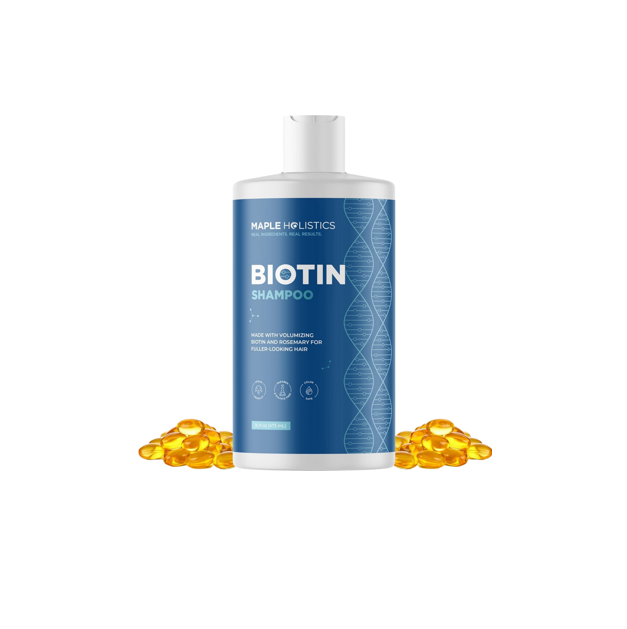
Biotin, also known as Vitamin B7, is a water-soluble vitamin that belongs to the B-complex family. It helps your body convert carbohydrates, fats, and proteins into energy while also supporting healthy skin, nails, and hair.
One of biotin’s most important roles is helping your body produce keratin, the protein that makes up the majority of your hair. Without enough keratin, hair may become weaker and more prone to breakage.
Fortunately, most people get enough biotin through a balanced diet. Even so, certain medical conditions, medications, or nutritional deficiencies can lower biotin levels.
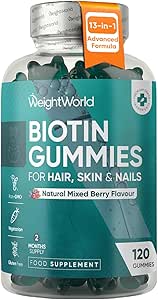
Why Is Biotin Linked to Hair Growth?
Biotin is often marketed as a miracle solution for thinning hair because of its connection to keratin production. Since keratin is the main structural protein in hair, it seems logical that increasing biotin intake could improve hair health.
Additionally, biotin helps support several metabolic processes that allow your body to use nutrients efficiently. Healthy hair follicles require vitamins, minerals, proteins, and oxygen to produce strong hair strands. Therefore, maintaining adequate biotin levels contributes to overall hair health.
Nevertheless, having more biotin than your body needs does not necessarily mean your hair will grow faster.
Does Biotin for Hair Growth Actually Work?
This is the question most people want answered.
The short answer is yes—but only in certain situations.
Scientific research suggests that biotin supplementation can improve hair growth in people who have a biotin deficiency. In these cases, restoring normal biotin levels may reduce hair shedding and improve hair strength.
However, research has not shown strong evidence that biotin significantly improves hair growth in healthy individuals who already consume enough biotin through their diet.
Therefore, while biotin supports healthy hair, it should not be viewed as a cure for genetic hair loss or male pattern baldness.
If your hair loss is caused by genetics, hormonal changes, stress, or certain medical conditions, other treatments may be more effective.
What Does the Research Say?
Several studies have explored the relationship between biotin and hair health. Although many participants reported improvements in hair quality, researchers found that these benefits were most noticeable in people with an underlying nutritional deficiency.
Furthermore, experts agree that there is currently limited high-quality evidence proving that biotin alone can reverse common forms of hair loss.
This doesn’t mean biotin is ineffective. Instead, it highlights the importance of identifying the root cause of your hair loss before choosing a supplement.
If you’re concerned about persistent hair thinning, it’s always a good idea to consult a healthcare professional.
Who Can Benefit from Biotin?
Although biotin isn’t necessary for everyone, some individuals may benefit from supplementation.
For example, biotin may help if you:
- Have a diagnosed biotin deficiency.
- Eat a diet lacking essential nutrients.
- Have certain digestive disorders that affect nutrient absorption.
- Take medications that reduce biotin levels.
- Experience brittle nails alongside hair thinning.
- Have been advised by a healthcare professional to increase your biotin intake.
On the other hand, healthy adults who already consume sufficient biotin may notice little or no improvement after taking supplements.

Signs You May Have a Biotin Deficiency
Biotin deficiency is relatively uncommon, but it can occur.
Some common signs include:
- Hair thinning
- Hair breakage
- Brittle nails
- Dry skin
- Skin rashes
- Fatigue
- Muscle weakness
- Tingling in the hands or feet
If you’re experiencing several of these symptoms, consult a healthcare professional rather than self-diagnosing.
Foods Naturally Rich in Biotin
Before purchasing supplements, consider improving your diet.
Many everyday foods naturally contain biotin.
Excellent sources include:
Eggs
Cooked eggs are one of the richest dietary sources of biotin.
Salmon
Salmon provides biotin while also supplying omega-3 fatty acids that support scalp health.
Nuts and Seeds
Almonds, walnuts, sunflower seeds, and peanuts all contribute beneficial nutrients for healthy hair.
Sweet Potatoes
Sweet potatoes provide biotin alongside antioxidants and fibre.
Spinach
Leafy greens contain biotin as well as iron and vitamin C, making them an excellent addition to a balanced diet.
Mushrooms
Mushrooms contain moderate amounts of biotin and other essential nutrients.
Adding these foods to your meals can help maintain healthy biotin levels naturally.

Should You Take Biotin Supplements?
Biotin supplements can be useful in certain situations. However, they are not a guaranteed solution for hair loss.
Before buying a supplement, ask yourself:
- Am I getting enough nutrients from my diet?
- Has a healthcare professional identified a deficiency?
- Is my hair loss caused by genetics instead?
If the answer is unclear, speaking with a healthcare professional is the safest approach.
Additionally, look for reputable brands that clearly list their ingredients and recommended dosage.
Possible Side Effects of Biotin
Biotin is generally considered safe when taken as directed. Since it is a water-soluble vitamin, your body usually removes any excess through urine.
However, taking very high doses may not provide additional hair benefits. In some cases, excessive biotin intake can interfere with certain laboratory tests, including tests used to assess thyroid function and heart health. Therefore, always tell your healthcare provider if you’re taking a biotin supplement before having blood tests.
Additionally, it’s important to follow the recommended dosage on the product label unless a healthcare professional advises otherwise.
Tips to Maximise Hair Growth Naturally
Although biotin for hair growth may support healthy hair in some individuals, supplements work best when combined with healthy lifestyle habits. Focusing on your overall health can improve your hair’s condition and reduce unnecessary shedding.
Eat a Balanced Diet
Hair is made primarily of protein. Therefore, include lean meats, fish, eggs, dairy products, legumes, and nuts in your meals. A nutrient-rich diet also provides vitamins and minerals that support healthy hair follicles.
Prioritise Protein
Protein is essential for keratin production. Without enough protein, your hair may become weak and brittle. Aim to include a source of protein with every meal.
Manage Stress
Chronic stress can contribute to temporary hair loss. Fortunately, activities such as walking, meditation, regular exercise, or spending time outdoors can help reduce stress levels.
Get Enough Sleep
Your body repairs and regenerates while you sleep. Most adults should aim for 7–9 hours of quality sleep each night to support overall health, including healthy hair.
Stay Hydrated
Water plays an important role in maintaining healthy skin and hair. Drinking enough water each day helps your body function efficiently and supports overall wellbeing.
Follow a Gentle Hair Care Routine
Avoid washing your hair with harsh products or using excessive heat from styling tools. Instead, choose products designed for your hair type and handle wet hair gently to minimise breakage.
Common Myths About Biotin
There are many misconceptions about biotin supplements. Let’s separate fact from fiction.
Myth 1: Biotin Can Cure Male Pattern Baldness
Unfortunately, this isn’t true. Male pattern baldness is primarily caused by genetics and hormones. While biotin supports healthy hair, it cannot reverse genetic hair loss on its own.
Myth 2: More Biotin Means Faster Hair Growth
Taking more than the recommended amount doesn’t necessarily make your hair grow faster. Once your body’s needs are met, extra biotin is unlikely to provide additional benefits.
Myth 3: Everyone Needs Biotin Supplements
Should Men Take Biotin Every Day?
Daily biotin supplementation may be appropriate for some men, particularly if advised by a healthcare professional. However, if you’re already consuming enough biotin through food, you may not notice significant improvements.
Rather than relying on one supplement, focus on a balanced diet, regular exercise, quality sleep, and a consistent hair care routine. Together, these habits create a stronger foundation for healthier hair.
Frequently Asked Questions
How long does biotin take to work for hair growth?
If biotin is helping because of a deficiency, noticeable improvements may take three to six months. Hair grows slowly, so consistency and patience are important.
Biotin
Biotin may reduce hair shedding caused by a deficiency. However, it is not a proven treatment for male pattern baldness or all types of hair loss.
Is biotin safe for daily use?
Yes, biotin is generally considered safe when taken according to the recommended dosage. If you have any medical conditions or take prescription medication, consult a healthcare professional before starting a new supplement.
What foods contain biotin?
Foods rich in biotin include eggs, salmon, almonds, walnuts, peanuts, sunflower seeds, sweet potatoes, mushrooms, and spinach.
Should I take biotin with other hair growth supplements?
Many hair supplements contain biotin alongside other vitamins and minerals such as zinc, vitamin D, and iron. Always check the ingredients to avoid taking unnecessary duplicate supplements.
Final Thoughts
So, does biotin for hair growth actually work?
The answer depends on your individual needs. If you have a biotin deficiency, increasing your intake may improve hair strength and reduce shedding. However, current research does not show that biotin is a miracle cure for genetic hair loss in healthy individuals.
Instead of relying on a single supplement, take a holistic approach to hair health. Eat a nutritious diet, manage stress, stay active, get enough sleep, and use quality hair care products. If you’re concerned about ongoing hair loss, seek advice from a healthcare professional to identify the underlying cause.
Healthy hair starts with healthy habits, and while biotin can play a supporting role, consistency is the key to achieving the best long-term results.
Continue Your Hair Care Journey
Looking to build a complete hair care routine? Explore these helpful guides on Mr Manable:
- Beginner’s Guide to Hair Growth Supplements for Men
- Daily Hair Care Habits That Help Prevent Hair Loss in Men
- How to Choose the Right Shampoo for Men
- Beginner’s Guide to the Best Hair Loss Treatments for Men
Together, these resources can help you make informed decisions and support healthier, stronger hair over time.