


Is your hair feeling dry, rough or difficult to manage? Before spending money on another expensive grooming product, take a look inside your kitchen. Some everyday ingredients can be combined to create simple DIY hair masks that help moisturise the hair, reduce breakage and improve its overall appearance.
In this guide, you will discover five easy homemade hair mask recipes, how to apply them properly and how often to use them for healthier-looking hair.
What Is a DIY Hair Mask?
A DIY hair mask is a homemade conditioning treatment made using ingredients such as yoghurt, eggs, honey, aloe vera, bananas and natural oils. Unlike an ordinary conditioner that is normally rinsed out after a few minutes, a hair mask is usually left on for 15 to 30 minutes.
This gives the ingredients time to coat and moisturise the hair strands. Depending on the recipe, a hair mask may help:
-
- Reduce dryness and roughness
-
- Make hair feel softer
-
- Improve shine
-
- Control frizz
-
- Reduce the appearance of breakage
-
- Make thick or curly hair easier to manage
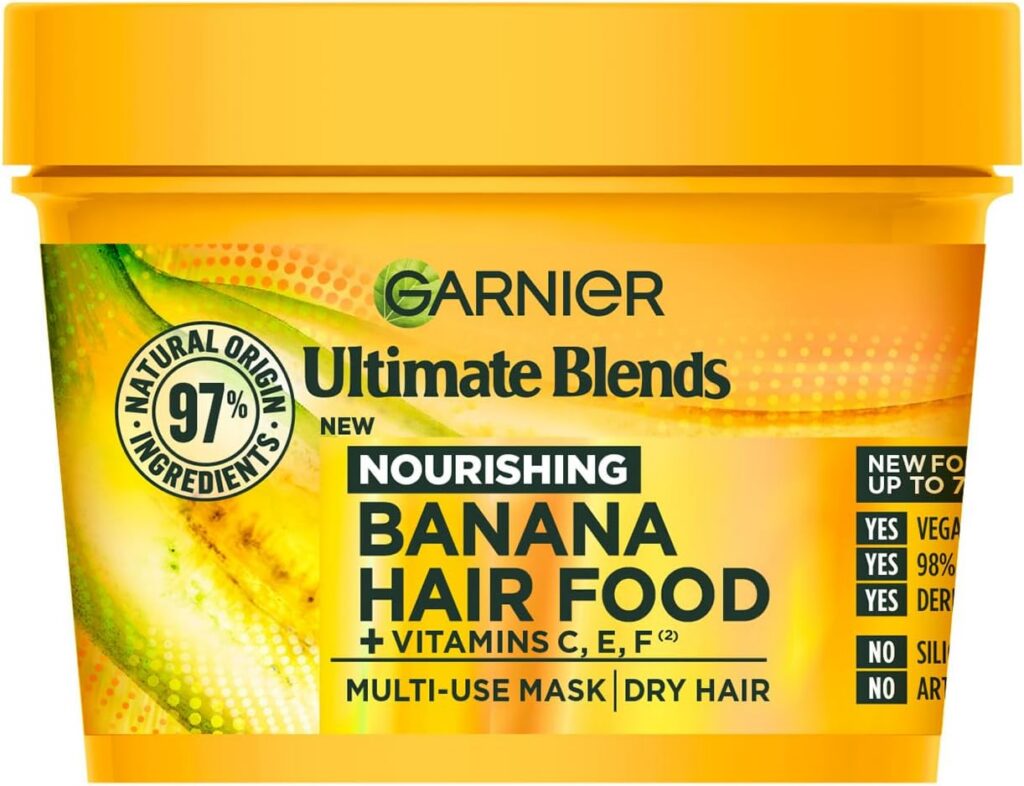
How to Choose the Right DIY Hair Mask for Men
Do not choose a recipe simply because it is popular online. The best mask depends on what your hair actually needs.
Choose a moisturising mask if your hair feels dry, frizzy or rough. Ingredients such as honey, yoghurt, avocado and aloe vera can help add softness and moisture.
Choose a protein-based mask if your hair feels weak or breaks easily. Eggs and yoghurt contain proteins that can temporarily coat the hair and make it feel stronger. However, protein treatments should not be overused because they may leave some hair types feeling stiff or dry.
Choose a lightweight mask if your scalp becomes oily quickly. Heavy oils can make fine or greasy hair look flat, so lighter ingredients such as aloe vera and yoghurt may be more suitable.
Always test a small amount of the mixture on your skin before applying it across your scalp. Stop using the mask if it causes burning, itching, redness or irritation.
Top 5 DIY Hair Masks for Men
1. Egg and Yoghurt Hair Mask for Weak, Brittle Hair
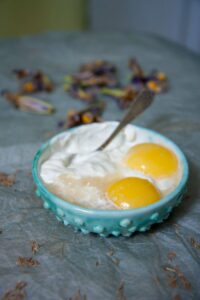
Does your hair snap easily while brushing or styling? An egg and yoghurt mask may help weak-looking hair feel smoother and more manageable.
Eggs contain protein and fats, while plain yoghurt provides moisture and helps create a creamy texture that is easy to apply. This combination is best suited to hair that feels weak, dull or damaged from frequent heat styling.
Ingredients
-
- 1 egg
-
- 2 tablespoons of plain yoghurt
-
- 1 teaspoon of olive oil for very dry hair
How to Make It
Crack the egg into a bowl and whisk it thoroughly. Add the yoghurt and olive oil, then mix until the texture becomes smooth.
How to Apply It
Apply the mixture evenly from the middle of your hair to the ends. If your scalp is not sensitive or oily, you can apply a small amount near the roots.
Leave the mask on for 15 to 20 minutes. Rinse it out using cool or lukewarm water before shampooing normally.
Avoid hot water because it can partially cook the egg and make the mixture difficult to remove.
How Often Should You Use It?
Use this mask once every two weeks. Overusing protein-rich masks may make some hair types feel stiff.
Best for: Weak, brittle or damaged-looking hair.
2. Banana and Honey Hair Mask for Dry, Frizzy Hair

Dry hair often becomes rough, puffy and difficult to style. A banana and honey mask can help coat the hair, add softness and reduce the appearance of frizz.
Bananas provide natural oils and carbohydrates, while honey acts as a humectant, meaning it helps attract and retain moisture.
Ingredients
-
- 1 ripe banana
-
- 1 tablespoon of honey
-
- 1 tablespoon of coconut or olive oil
How to Make It
Mash or blend the banana until completely smooth. Add the honey and oil, then mix again.
Blending is usually better than mashing because small banana pieces can become stuck in thick or curly hair.
How to Apply It
Apply the mixture to slightly damp hair, focusing on the driest areas. Leave it on for approximately 20 minutes.
Rinse thoroughly and follow with a gentle shampoo. You may need to rinse twice to remove all traces of banana.
How Often Should You Use It?
Use once a week if your hair is very dry, or once every two weeks for normal hair.
Best for: Dry, frizzy, coarse or curly hair.
3. Aloe Vera and Coconut Oil Mask for Dry Scalp and Dull Hair

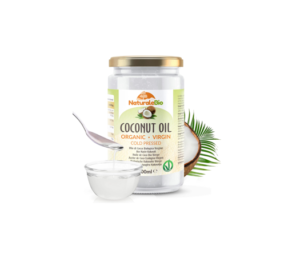
If your scalp feels tight and your hair looks dull, an aloe vera and coconut oil mask may provide lightweight hydration.
Aloe vera has a cooling, gel-like texture that can feel soothing on a dry scalp. Coconut oil can also reduce moisture loss from the hair shaft, although it may be too heavy for very fine or naturally oily hair.
Ingredients
-
- 2 tablespoons of pure aloe vera gel
-
- 1 tablespoon of melted coconut oil
-
- 1 teaspoon of honey, optional
How to Make It
Combine the aloe vera gel and melted coconut oil in a bowl. Add honey if your hair needs additional moisture.
How to Apply It
Massage a small amount gently onto your scalp. Apply the remaining mixture through the lengths of your hair.
Leave it on for 20 to 30 minutes. Rinse thoroughly and wash with a mild shampoo.
How Often Should You Use It?
Use once a week for a dry scalp. Men with oily or fine hair should use less coconut oil or apply the mixture only to the hair ends.
Best for: Dry scalp, dull hair and mild frizz.
Important: Persistent itching, redness, flaking or scalp soreness may require advice from a pharmacist, GP or dermatologist rather than a homemade treatment.
4. Avocado and Olive Oil Mask for Thick, Coarse Hair
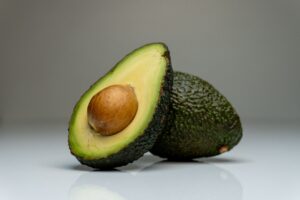
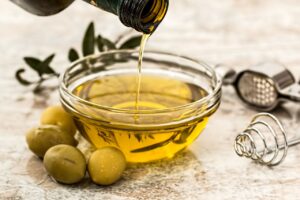
Thick and coarse hair can lose moisture quickly, especially when exposed to cold weather, frequent washing or heated styling tools.
Avocado contains natural fats that help soften dry hair, while olive oil coats the strands and can make rough hair easier to manage.
Ingredients
-
- Half a ripe avocado
-
- 1 tablespoon of olive oil
-
- 1 tablespoon of plain yoghurt
How to Make It
Mash or blend the avocado until smooth. Add the olive oil and yoghurt, then mix into a creamy paste.
How to Apply It
Apply the mask mainly to the middle and ends of your hair. Avoid applying too much directly to an oily scalp.
Leave it on for 20 to 25 minutes. Rinse thoroughly before shampooing and conditioning as normal.
How Often Should You Use It?
Use this mask once every one to two weeks.
Best for: Thick, coarse, curly or very dry hair.
5. Yoghurt and Lemon Hair Mask for Oily Hair
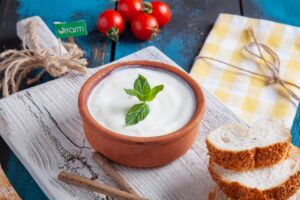

An oily scalp can make hair look greasy shortly after washing. A lightweight yoghurt-based mask may help cleanse the scalp without coating it in heavy oils.
Yoghurt creates a conditioning base, while a very small amount of lemon juice may help remove excess oil. Lemon is acidic, however, and can irritate sensitive skin, so it must be diluted and used carefully.
Ingredients
-
- 3 tablespoons of plain yoghurt
-
- 1 teaspoon of diluted lemon juice
-
- 1 teaspoon of aloe vera gel
How to Make It
Mix all three ingredients until smooth. Do not add additional lemon juice, as a stronger mixture may irritate or dry the scalp.
How to Apply It
Apply a thin layer to your scalp and roots. Leave it on for no more than 10 to 15 minutes.
Rinse immediately if you experience stinging, burning or discomfort. Follow with a gentle shampoo.
How Often Should You Use It?
Use no more than once every two weeks.
Best for: Oily hair and product build-up.
Avoid this mask if: Your scalp is sensitive, irritated, scratched or affected by eczema or dermatitis.
How to Apply a Homemade Hair Mask Correctly
Even the best DIY hair masks for men will not work well if they are applied incorrectly. Follow these steps for better results.
Step 1: Start With Damp Hair
Slightly damp hair makes it easier to spread the mask evenly. Avoid applying the mask to soaking-wet hair because excess water can dilute the ingredients.
Step 2: Focus on the Areas That Need Treatment
If your scalp is oily but your ends are dry, apply the mask mainly to the middle and ends. You do not need to cover your scalp with every recipe.
Step 3: Use the Right Amount
More product does not always mean better results. Use enough to coat the hair lightly without making it drip.
Step 4: Leave It on for the Recommended Time
Leaving a mask on overnight does not necessarily improve its benefits. It may cause irritation, build-up or difficulty rinsing.
Step 5: Rinse Thoroughly
Use cool or lukewarm water, followed by a suitable shampoo. Rinse until the hair no longer feels coated or sticky.
Common DIY Hair Mask Mistakes Men Should Avoid
Using Too Much Oil
Heavy oils can make fine hair look flat and greasy. Start with a small quantity and add more only when necessary.
Applying Every Mask to the Scalp
Some masks are designed mainly for the hair lengths. Applying rich oils to an oily scalp may increase greasiness and build-up.
Using Masks Too Often
Most men only need a hair mask once a week or once every two weeks. Daily use can make hair heavy and difficult to style.
Expecting a Hair Mask to Stop Genetic Hair Loss
DIY hair masks can condition the hair, but they cannot reverse male-pattern hair loss. Speak with a healthcare professional if you notice a receding hairline, visible thinning, bald patches or sudden excessive shedding.
Skipping a Patch Test
Natural ingredients can still trigger allergic reactions. Always test a small amount before applying a new mixture across your scalp.
How Often Should Men Use a Hair Mask?
The ideal frequency depends on your hair type:
-
- Dry or curly hair: Once a week
-
- Normal hair: Once every one to two weeks
-
- Fine or oily hair: Once every two weeks
-
- Protein-sensitive hair: Once every two to four weeks
-
- Chemically treated or heat-damaged hair: Once a week, depending on the ingredients
Pay attention to how your hair feels after each treatment. If it becomes greasy, heavy or stiff, reduce the frequency or choose a lighter recipe.
Frequently Asked Questions
Do DIY Hair Masks Help Hair Grow Faster?
DIY hair masks do not directly increase the natural speed of hair growth. However, they may reduce dryness and breakage, helping your existing hair look healthier and retain length.
Can I Leave a DIY Hair Mask on Overnight?
It is generally better to follow the recommended time. Leaving ingredients such as eggs, lemon juice or essential oils on overnight can increase the risk of irritation and build-up.
Should I Shampoo Before or After a Hair Mask?
Most homemade hair masks should be applied before shampooing, especially when they contain oils, eggs or avocado. A lightweight aloe vera mask may be used after cleansing, but it must still be rinsed thoroughly.
Which DIY Hair Mask Is Best for Men With Dry Hair?
Banana and honey, avocado and olive oil, and aloe vera with coconut oil are suitable options for dry hair. Choose the recipe according to your hair thickness and scalp type.
Can Men With Short Hair Use a Hair Mask?
Yes. Men with short hair can use a smaller quantity. Focus on applying the treatment evenly without covering the scalp in heavy ingredients.
Final Thoughts: Choose the Right DIY Hair Mask for Your Hair
The best DIY hair masks for men do not need complicated ingredients or expensive equipment. The key is matching the recipe to your hair type.
Use an egg and yoghurt mask for weak-looking hair, banana and honey for dryness, aloe vera and coconut oil for hydration, avocado and olive oil for thick hair, or a lightweight yoghurt mask for oily hair.
Start with one treatment, use it consistently and monitor how your hair responds. A simple weekly hair mask, combined with a gentle shampoo, suitable conditioner and careful styling routine, can help your hair feel softer, smoother and easier to manage.