

Summer can be great for your mood, social life and outdoor activities, but it may not be as enjoyable for your hair.
Heat, sweat, humidity, ultraviolet exposure, chlorine and saltwater can leave men’s hair feeling dry, greasy, flat or difficult to style. Your scalp may also become oily, itchy or uncomfortable, especially when you exercise regularly or wear hats for long periods.
The good news is that you do not need an expensive or complicated routine. The right summer haircare habits can help keep your scalp fresh and your hair looking healthy throughout the warmer months.
This ultimate men’s haircare guide for summer 2026 explains how to wash, condition, protect and style your hair according to your lifestyle and hair type.
Why Men Need a Different Haircare Routine During Summer
Your scalp naturally produces an oil called sebum. During hot weather, sweat can mix with sebum, dead skin cells and styling-product residue.
This combination may make your scalp feel dirty more quickly, even when your hair is not actually unhealthy.
Summer can also expose your hair to:
- Strong sunlight
- Increased sweating
- High humidity
- Chlorinated swimming pools
- Saltwater
- More frequent washing
- Air conditioning
- Dust and outdoor pollution
- Repeated use of styling products
- Friction from caps and hats
These factors affect men differently. Someone with oily, fine hair may need more frequent cleansing, while a man with curly or dry hair may need additional moisture.
The key is to adjust your routine instead of following the same steps throughout the entire year.

There is no single washing schedule that works for every man.
The right frequency depends on your scalp, hair texture, activity level and the amount of styling product you use.
Oily scalp
You may need to shampoo daily or every other day, particularly when you sweat heavily. Choose a gentle shampoo suitable for frequent use.
Dry or sensitive scalp
Washing too frequently may increase dryness or irritation. Try washing two or three times per week unless your scalp becomes uncomfortable.
Curly or coily hair
Curly hair often benefits from less frequent shampooing because natural scalp oils take longer to travel along curved strands.
Fine hair
Fine hair can quickly appear greasy or flat. A lightweight shampoo may help remove excess oil without weighing the hair down.
Focus shampoo mainly on your scalp. The foam running through the lengths is usually enough to cleanse the rest of your hair.

You may not need to shampoo after every workout, football session or hot journey.
However, allowing sweat to dry repeatedly on your scalp can create an uncomfortable combination of salt, oil and product residue.
After heavy sweating:
- Rinse your scalp and hair with lukewarm water.
- Gently massage your scalp using your fingertips.
- Use shampoo when the hair feels oily, dirty or coated.
- Dry your scalp properly instead of leaving it wet beneath a hat.
Avoid scratching your scalp with your nails, as this can irritate the skin.

A very hot shower may feel relaxing, but it can leave your scalp and hair feeling drier.
Use lukewarm water when shampooing and conditioning. You can finish with a slightly cooler rinse if it feels comfortable.
Cool water will not magically repair damaged hair. However, avoiding excessive heat may help your hair feel smoother and reduce unnecessary scalp dryness.

Heavy moisturising shampoos can sometimes make oily or fine hair feel flat during summer.
Look for a shampoo that cleans effectively without leaving a thick coating behind.
Useful options include:
- Gentle daily shampoo
- Balancing shampoo for oily scalps
- Sulphate-free shampoo for dry or curly hair
- Anti-dandruff shampoo for persistent flaking
- Clarifying shampoo for occasional buildup
- Chelating shampoo after repeated swimming or hard-water exposure
A strong clarifying shampoo should not usually replace your regular shampoo. Overusing it may make some hair types feel rough or dry.
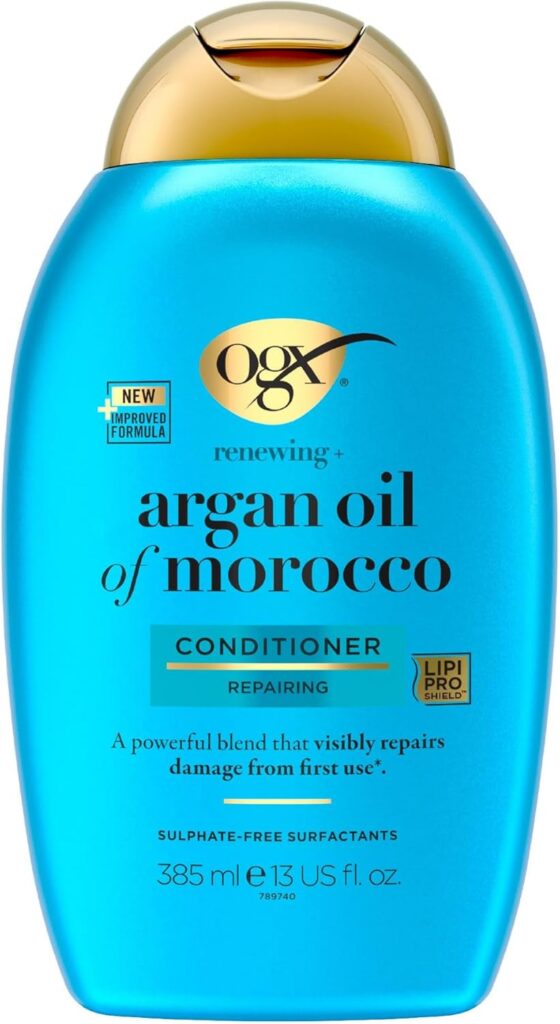
5. Do Not Skip Conditioner
Many men avoid conditioner because they believe it makes hair greasy. In most cases, the problem is using too much product or applying it directly to the scalp.
Conditioner helps improve softness, reduce tangling and minimise friction between strands.
For the best results:
- Shampoo and rinse your hair.
- Remove excess water.
- Apply a small amount of conditioner to the middle and ends.
- Leave it on for the recommended time.
- Rinse thoroughly.
Men with very short hair may only need a small amount. Men with longer, curly, bleached or dry hair may require a richer conditioner.
6. Protect Your Hair and Scalp From Strong Sunlight
Your skin is not the only part of your body affected by prolonged sun exposure. Your scalp can burn, especially when you have very short, thinning or closely shaved hair.
Hair may also feel drier or appear less vibrant after frequent exposure to sunlight.
To protect yourself:
- Wear a breathable cap or hat
- Avoid remaining in strong sunlight for unnecessary periods
- Apply suitable sun protection to exposed areas of the scalp
- Use a leave-in product with UV-protection claims when appropriate
- Cover coloured or bleached hair during prolonged outdoor activities
Do not apply ordinary heavy body sunscreen throughout thick hair, as it may create difficult buildup. Focus on exposed scalp areas or use a product specifically designed for scalp application.
7. Clean Your Caps, Hats and Pillowcases Regularly
Hats can protect your scalp from the sun, but they may also collect sweat, oil, bacteria and styling-product residue.
Wearing the same unwashed cap repeatedly can make freshly washed hair feel greasy again.
During summer:
- Rotate between different hats
- Follow the care label when washing them
- Allow hats to dry completely
- Change pillowcases regularly
- Avoid sharing hats, combs and towels
Choose breathable materials when possible, and avoid wearing extremely tight headwear for long periods.
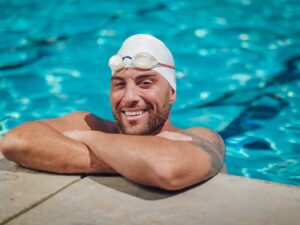
Chlorinated pool water and saltwater can leave hair feeling dry, tangled or rough. Coloured and bleached hair may be particularly vulnerable.
Before entering the water:
- Wet your hair with clean water.
- Apply a small amount of leave-in conditioner if suitable.
- Wear a swimming cap during longer sessions.
- Avoid entering the pool with large amounts of styling product in your hair.
Pre-wetting your hair may reduce how much pool or seawater it immediately absorbs.

Do not allow chlorine or saltwater to remain in your hair for the rest of the day.
After swimming:
- Rinse your hair with clean water
- Use a gentle shampoo when necessary
- Follow with conditioner
- Detangle carefully
- Avoid aggressive towel drying
- Use a deeper conditioning treatment if the hair feels rough
Frequent swimmers may benefit from an occasional swimmer’s shampoo or chelating shampoo designed to remove mineral and chlorine-related residue.
10. Use a Leave-In Conditioner for Dry Hair
A lightweight leave-in conditioner can be useful when summer heat, swimming or air conditioning leaves your hair feeling dry.
It may help:
- Reduce tangling
- Improve softness
- Control frizz
- Make styling easier
- Reduce friction
- Protect the hair during drying
Apply a small amount to damp hair. Concentrate on the lengths and ends rather than covering your scalp.
Men with fine hair should begin with a very small quantity to avoid losing volume.
11. Control Humidity Without Overloading Your Hair
Humidity can make straight hair lose volume and curly hair become frizzy. The solution is not necessarily to apply more wax, gel or pomade.
Too much product can mix with sweat and make hair feel sticky or greasy.
For better summer styling:
- Start with less product
- Choose lightweight, water-based formulas
- Apply products gradually
- Avoid combining several heavy products
- Use anti-humidity styling cream when appropriate
- Wash out product before sleeping
Matte clays can provide control, but some formulas may feel dry on longer or already damaged hair. Lightweight creams, mousses and gels may work better for softer or curlier styles.
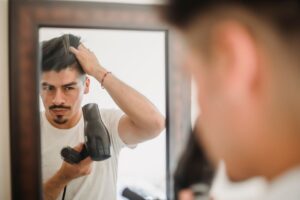
Your hair is already exposed to environmental heat during summer. Regular use of very hot hair dryers, straighteners and curling tools can increase dryness and breakage.
When using a hair dryer:
- Remove excess water with a soft towel.
- Apply heat protection.
- Use a low or medium temperature.
- Keep the dryer moving.
- Avoid holding it directly against one section.
- Finish once your scalp and hair are dry.
Air-drying is not always automatically healthier. Going to bed or wearing a hat with soaking-wet hair can leave your scalp damp for a long period. The goal is controlled, gentle drying.
13. Dry Your Hair Without Rough Towel Rubbing
Aggressively rubbing wet hair with a towel creates friction and may cause tangling or breakage.
Instead:
- Gently squeeze out excess water
- Pat your hair with a soft towel
- Use a microfibre towel or cotton T-shirt
- Detangle slowly
- Start from the ends of longer hair
- Use a wide-tooth comb for curls
Wet hair can be more vulnerable to stretching and breakage, so treat it carefully.
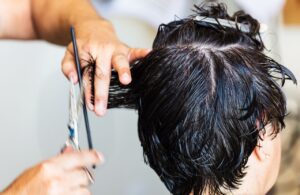
Summer is often a good time to choose a shorter, easier-to-manage hairstyle. However, you do not need to cut your hair extremely short.
Regular trims can help remove visibly split or damaged ends and maintain the shape of your hairstyle.
Popular manageable summer options include:
- Textured crop
- Short side part
- Crew cut
- Buzz cut
- Taper fade
- Short curls with faded sides
- Medium-length textured top
- Slicked-back undercut with lightweight product
Choose a hairstyle that suits your hair density, texture, face shape and willingness to style it every morning.

No single summer drink, supplement or superfood can instantly transform your hair.
However, hair growth depends on overall health. A balanced diet can provide the protein, vitamins and minerals needed to support normal hair growth.
Include foods such as:
- Eggs
- Fish
- Lean meat
- Beans and lentils
- Nuts and seeds
- Green vegetables
- Fruit
- Whole grains
- Dairy products or suitable alternatives
Stay adequately hydrated, particularly when exercising or spending time outdoors.
Avoid taking high-dose hair supplements without understanding whether you actually have a deficiency. Excessive supplementation does not always improve hair and may sometimes create unwanted effects.
A Simple Men’s Summer Haircare Routine
You do not need ten different products. A basic routine can be effective when it is followed consistently.
Morning routine
- Check whether your scalp genuinely needs washing.
- Rinse or shampoo according to your scalp type.
- Apply conditioner when needed.
- Pat the hair dry.
- Use a lightweight leave-in or heat protectant.
- Apply a small amount of styling product.
- Protect exposed scalp areas before prolonged sun exposure.
After exercise
- Remove your cap or hat.
- Allow heat to escape from the scalp.
- Rinse away heavy sweat.
- Shampoo if the scalp feels oily or dirty.
- Dry your scalp before wearing another hat.
After swimming
- Rinse immediately with clean water.
- Shampoo if needed.
- Apply conditioner.
- Detangle gently.
- Use a moisturising leave-in product.
Evening routine
- Remove heavy styling products before bed.
- Avoid sleeping with soaking-wet hair.
- Use a clean pillowcase.
- Detangle longer hair gently.
- Keep thick oils away from an already oily scalp.
Summer Haircare by Hair Type
Oily hair
Use a lightweight shampoo and avoid covering the scalp with heavy oils. Do not assume that training your hair to tolerate oil will solve every problem.
Dry hair
Reduce harsh cleansing, condition regularly and apply a lightweight leave-in treatment. Limit exposure to chlorine and very hot styling tools.
Curly or coily hair
Focus on moisture, gentle detangling and curl-friendly styling products. Avoid brushing dry curls unless you deliberately want a fuller, separated appearance.
Fine or thinning hair
Use lightweight products that do not flatten the roots. Protect exposed scalp areas from the sun and avoid hairstyles that pull tightly on the hair.
Thick hair
Thick hair may hold sweat and take longer to dry. Clean the scalp properly and make sure the roots are not left damp for extended periods.
Coloured or bleached hair
Use colour-safe products and minimise excessive heat, sun and chlorine exposure. Condition regularly because chemically treated hair may be more prone to dryness.
Five Common Summer Haircare Mistakes Men Make
1. Shampooing aggressively after every sweat
Sweating does not always mean you need a harsh shampoo. A water rinse may be enough after light activity.
2. Applying oil to an oily scalp
Hair oil can help some dry hair types, but applying too much to a sweaty scalp may increase buildup.
3. Leaving chlorine in the hair
Rinsing soon after swimming is one of the easiest ways to protect the feel of your hair.
4. Wearing a dirty cap every day
A cap may look clean while still holding sweat, oil and product residue.
5. Using too much styling product
More product does not always create more control. It often produces heavy, greasy or sticky hair.
Best Summer Haircare Products for Men
Your routine can remain simple. Consider choosing products from the following categories:
Gentle shampoo
Suitable for your scalp type and regular cleansing needs.
Clarifying or chelating shampoo
Used occasionally to manage styling-product, mineral or swimming-related buildup.
Lightweight conditioner
Improves softness without making the hair unnecessarily heavy.
Leave-in conditioner
Useful for dry, curly, long, coloured or frequently exposed hair.
Heat protectant
Important when blow-drying or using heated styling tools.
Lightweight styling product
Water-based cream, mousse, gel or light paste may feel more comfortable during hot weather.
Scalp sun protection
Helpful for shaved, thinning or exposed scalp areas.
Frequently Asked Questions
How often should men wash their hair in summer?
It depends on your scalp type, activity level and product use. Men with oily scalps may wash daily or every other day, while dry or curly hair may need less frequent shampooing.
Should men use conditioner in hot weather?
Yes. Conditioner may be particularly helpful after sun exposure, swimming or frequent washing. Apply it mainly to the middle and ends.
Does sweating cause hair loss?
Normal sweating does not directly cause male-pattern hair loss. However, persistent buildup, scratching or scalp irritation can make the hair and scalp feel unhealthy.
Can men apply sunscreen to their scalp?
Yes, exposed scalp areas should be protected. Choose a suitable scalp-friendly product or wear a breathable hat.
Is it bad to wash your hair every day during summer?
Daily washing is not automatically harmful when you use a gentle shampoo suited to your scalp. The problem is often aggressive washing or using a product that is too harsh.
What should men do after swimming?
Rinse the hair immediately with clean water, shampoo when needed and apply conditioner. Frequent swimmers may occasionally need a swimmer’s or chelating shampoo.
Which summer hairstyle is easiest to maintain?
Short textured crops, crew cuts, buzz cuts and tapered styles are generally easy to manage. However, the best choice depends on your hair type and personal style.
Final Thoughts
The best men’s haircare guide for summer 2026 is not about buying every new product. It is about understanding how heat, sweat, sunlight, humidity, chlorine and frequent washing affect your individual hair and scalp.
Keep your routine simple:
- Cleanse according to your scalp type
- Rinse after sweating and swimming
- Use conditioner correctly
- Protect exposed scalp areas
- Limit heavy styling products
- Dry your hair gently
- Keep hats and pillowcases clean
- Adjust products according to your hair type
Small, consistent changes can help your hair feel cleaner, softer and easier to style throughout the summer.
Healthy summer hair starts with a clean scalp, suitable products and habits you can maintain every day.
A great reminder that summer haircare is about consistency, and staying hydrated and maintaining a balanced routine can support overall wellbeing too: https://wegovypricecompare.com/discount-codes/