

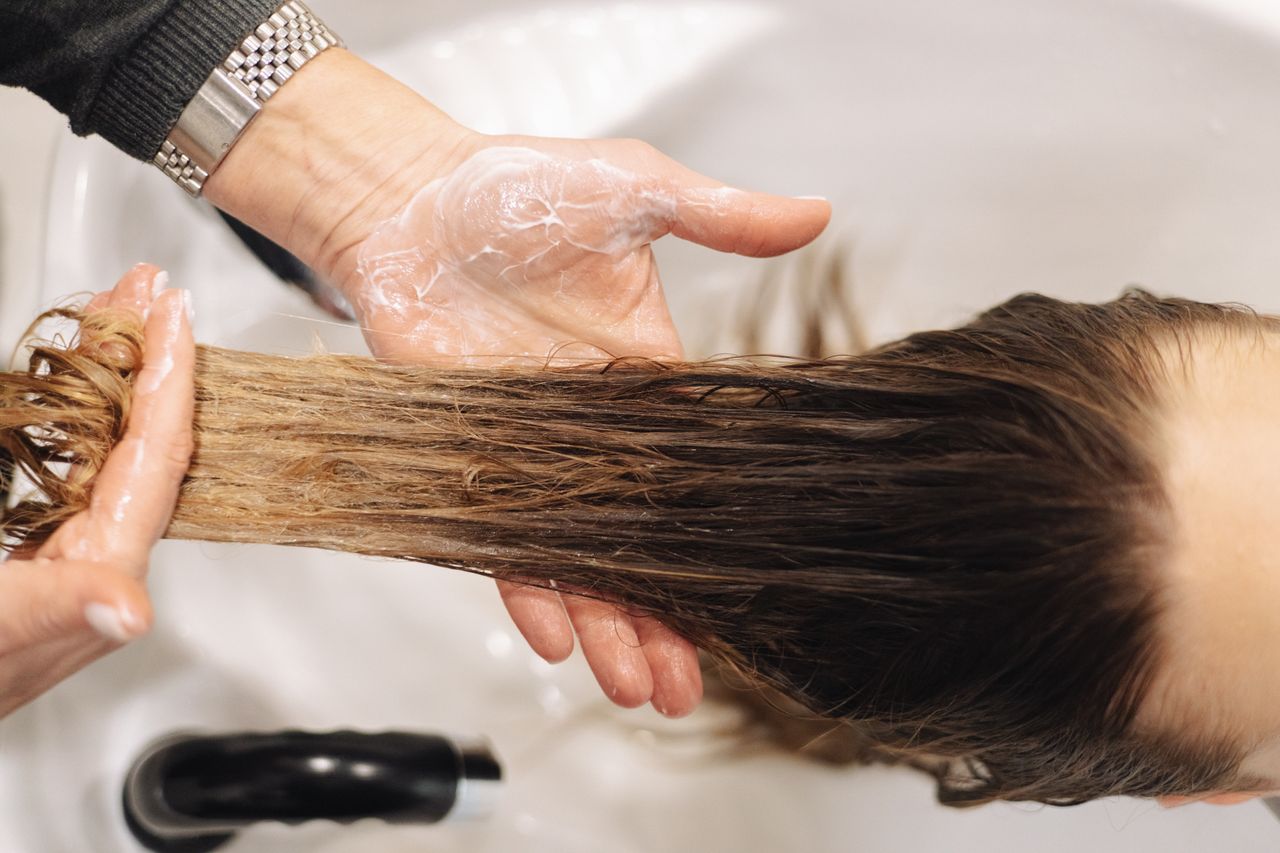
Dry, damaged hair can feel rough, look dull, and become more prone to breakage. Whether your hair has been affected by heat styling, colouring, pollution, or everyday wear and tear, the right leave-in hair mask can help restore moisture, improve softness, and strengthen your strands.
In this guide, we’ll explore the best leave-in hair masks for dry, damaged hair, their key benefits, the ingredients to look for, and how to choose the right product for your hair type.
What Is a Leave-In Hair Mask?
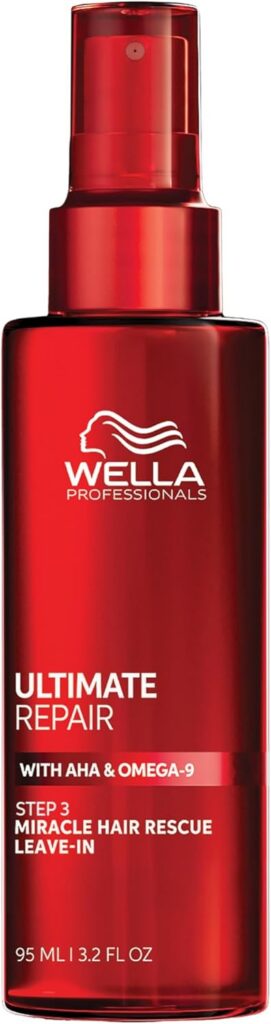
A leave-in hair mask is a lightweight treatment designed to nourish and repair your hair without needing to be rinsed out. Unlike traditional hair masks that are washed off after several minutes, leave-in formulas continue working throughout the day to provide long-lasting hydration and protection.
They are especially beneficial for people with dry, damaged, or chemically treated hair.
Benefits of Leave-In Hair Masks
Using a quality leave-in hair mask regularly can provide several benefits, including:
- Deep hydration for dry hair
- Reduced frizz and flyaways
- Improved softness and shine
- Stronger, healthier-looking hair
- Protection against heat styling
- Less hair breakage and split ends
- Easier detangling and styling
Consistent use can significantly improve your hair’s overall health and appearance.
Top Ingredients to Look For
Choosing the right ingredients is essential when shopping for a leave-in hair mask.
Argan Oil
Rich in antioxidants and vitamin E, argan oil helps restore moisture, reduce frizz, and improve shine.
Coconut Oil
Coconut oil penetrates the hair shaft to reduce protein loss and strengthen damaged hair.
Shea Butter
Shea butter deeply nourishes dry hair while improving softness and elasticity.
Keratin
Keratin helps reinforce weak hair fibres, making hair appear smoother and healthier.
Hyaluronic Acid
Known for its moisture-retaining properties, hyaluronic acid helps keep hair hydrated throughout the day.
Aloe Vera
Aloe vera soothes the scalp while providing lightweight hydration to both hair and skin.
How to Choose the Best Leave-In Hair Mask
Not every hair mask suits every hair type. Consider your hair’s needs before buying.
For Fine Hair
Choose lightweight formulas that hydrate without weighing your hair down.
For Thick Hair
Look for richer creams and masks containing nourishing oils and butters.
For Curly Hair
Opt for products that provide intense moisture while defining curls and reducing frizz.
For Colour-Treated Hair
Select sulphate-free formulas that protect colour while repairing damage.
How to Apply a Leave-In Hair Mask
Using a leave-in hair mask correctly helps maximise its benefits.
Step 1: Wash Your Hair
Cleanse your hair with a gentle shampoo and conditioner.
Step 2: Towel Dry
Remove excess water so your hair remains damp, not soaking wet.
Step 3: Apply Evenly
Work a small amount of product through the mid-lengths and ends of your hair. Avoid applying too much near the roots unless the product instructions recommend it.
Step 4: Comb Through
Use a wide-tooth comb to distribute the product evenly.
Step 5: Style as Usual
Allow your hair to air dry or style it with minimal heat for the best results.

Common Causes of Hair Damage
Understanding what damages your hair can help you prevent future problems.
Common causes include:
- Frequent heat styling
- Hair colouring or bleaching
- UV exposure
- Pollution
- Chlorinated water
- Poor nutrition
- Excessive brushing
- Tight hairstyles
Reducing these factors can improve your hair’s long-term health.
Tips for Healthier Hair
Pair your leave-in hair mask with these healthy habits:
- Use a heat protectant before styling.
- Trim split ends regularly.
- Avoid washing your hair every day.
- Eat a balanced diet rich in protein and healthy fats.
- Stay hydrated.
- Sleep on a silk or satin pillowcase to reduce friction.
Small lifestyle changes can make a noticeable difference over time.

Common Mistakes to Avoid
Many people accidentally reduce the effectiveness of their leave-in products.
Avoid these mistakes:
- Applying too much product
- Using leave-in masks on dirty hair
- Ignoring product instructions
- Overusing heat styling tools
- Expecting instant results
Consistency is the key to healthier hair.
Frequently Asked Questions
Are leave-in hair masks good for damaged hair?
Yes. Leave-in hair masks provide continuous hydration and nourishment, helping reduce dryness, frizz, and breakage over time.
How often should I use a leave-in hair mask?
Most people can use a leave-in hair mask after every wash or two to three times per week, depending on their hair type.
Can I leave a hair mask in overnight?
Only if the product specifically states that it is safe to do so. Always follow the manufacturer’s instructions.
Will a leave-in hair mask repair split ends?
Leave-in hair masks can temporarily smooth and protect split ends, but trimming remains the only permanent solution.
Are leave-in hair masks suitable for all hair types?
Yes. There are lightweight formulas for fine hair and richer formulas designed for thick, curly, or highly damaged hair.
Final Thoughts
Choosing the best leave-in hair masks for dry, damaged hair can transform dull, brittle strands into softer, healthier-looking hair. By selecting products with nourishing ingredients like argan oil, coconut oil, shea butter, and keratin, you can improve hydration, reduce breakage, and protect your hair from everyday damage.
For the best results, use your leave-in hair mask consistently alongside a gentle shampoo, regular trims, and healthy hair care habits. While no product delivers overnight results, a consistent routine can help restore stronger, shinier, and more manageable hair over time.
Continue Your Healthy Hair Journey
Looking for more expert advice? Read our guides on the best shampoos for sensitive scalps, essential hair oils for men, daily hair care habits, and how to use a derma roller for hair growth to build a complete hair care routine that keeps your hair looking its best.