
Have you ever used an expensive hair product only to find that it sits on top of your hair, makes it greasy or does absolutely nothing?
The problem may not be the product. It could be your hair porosity.
Understanding hair porosity for men can help you choose the right shampoo, conditioner, oils and styling products. Once you know how your hair absorbs and retains moisture, building an effective hair care routine becomes much easier.
Before you buy another random product, use these seven simple tests to understand what your hair actually needs.
What Is Hair Porosity?
Hair porosity describes how easily your hair absorbs and holds moisture.
The outer layer of each hair strand is called the cuticle. These cuticles can lie flat, remain slightly open or become raised due to genetics, heat styling, colouring, chemical treatments or general damage.
Hair is commonly divided into three porosity levels:
- Low porosity
- Medium porosity
- High porosity
Knowing your level can explain why certain products work well for other men but fail to deliver the same results for you.
Why Hair Porosity Matters for Men
Hair porosity affects how your hair reacts to water, shampoo, conditioner and styling products.
For example, low-porosity hair may become greasy because heavy products remain on the surface. In contrast, high-porosity hair can quickly absorb moisture but lose it just as fast, leaving it dry and frizzy.
Understanding your porosity can help you:
- Choose suitable hair products
- Prevent unnecessary product buildup
- Reduce dryness and frizz
- Improve moisture retention
- Create a better daily routine
- Protect damaged or coloured hair
The Three Main Hair Porosity Types
Low-Porosity Hair
Low-porosity hair has tightly packed cuticles that make it difficult for water and products to enter the hair strand.
Common signs include:
- Water remains on the surface of your hair
- Products sit on your hair instead of absorbing
- Hair takes a long time to become completely wet
- Heavy oils make your hair greasy
- Hair takes a long time to dry
Medium-Porosity Hair
Medium-porosity hair absorbs and retains moisture relatively well. The cuticles are slightly open, allowing moisture to enter without escaping too quickly.
Common signs include:
- Hair becomes wet without difficulty
- Products absorb evenly
- Hair holds styles well
- Hair feels soft with a basic routine
- Drying time is neither extremely fast nor slow
Medium porosity is generally the easiest hair type to manage.
High-Porosity Hair
High-porosity hair has raised or damaged cuticles. Water can enter quickly, but moisture can also escape rapidly.
Common signs include:
- Hair becomes wet almost immediately
- Hair dries very quickly
- Frequent frizz and tangling
- Hair absorbs large amounts of product
- Hair feels rough or brittle
- Split ends and breakage are common
High porosity may occur naturally, but it can also develop through bleaching, colouring, chemical treatments and excessive heat.
7 Easy Hair Porosity Tests for Men
No single home test is completely accurate. Therefore, use several of these methods together instead of relying on only one result.
1. Try the Water Spray Test
Start with clean, dry hair without styling products.
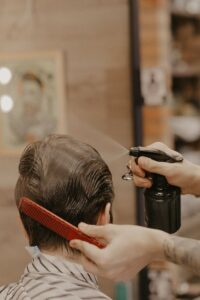
Spray a small amount of water onto your hair and watch what happens.
- If the water forms droplets and stays on the surface, you may have low-porosity hair.
- If it absorbs gradually, your hair is likely medium porosity.
- If it disappears into your hair almost immediately, you may have high-porosity hair.
Product residue can affect the result, so perform this test after washing your hair.

2. Check How Quickly Your Hair Becomes Wet
Pay attention to your hair the next time you shower.
Does it take several minutes before your hair becomes fully saturated? This may indicate low porosity.
Does it become wet almost immediately? That can be a sign of high porosity.
Medium-porosity hair normally becomes wet at a balanced and predictable rate.

3. Monitor Your Hair’s Drying Time
Wash your hair and allow it to air-dry without using a hair dryer or styling products.
Low-porosity hair often takes a long time to dry because water remains on or around the surface. High-porosity hair may dry surprisingly quickly because it struggles to retain moisture.
However, hair length, thickness, density and room temperature also affect drying time.
4. Observe How Products Behave
Apply a small amount of your usual conditioner, leave-in treatment or styling cream.
If the product remains visible, feels sticky or quickly makes your hair greasy, your hair may have low porosity.
If your hair absorbs the product but needs repeated applications throughout the day, it may have high porosity.
Medium-porosity hair usually absorbs a moderate amount of product without becoming greasy or dry.
5. Perform the Strand Feel Test
Take a clean, shed hair strand and gently slide your fingers from the end towards the root.
A smooth feeling may suggest that the cuticles lie relatively flat, which is common in low-porosity hair.
A rough or bumpy feeling may suggest raised cuticles and higher porosity.
Be gentle during this test, as damaged hair can break easily.
6. Look for Frizz, Tangling and Breakage
Regularly examine how your hair behaves throughout the day.
Hair that becomes dry, tangled or frizzy soon after moisturising may have high porosity. Raised cuticles create an uneven surface that makes strands catch against one another.
Low-porosity hair may feel healthy but can become flat, heavy or oily due to product buildup.
7. Use the Float Test Carefully
Place a clean hair strand in a glass of room-temperature water and leave it for several minutes.
Hair that remains near the surface is often described as low porosity, while hair that sinks is considered high porosity.
However, this test is not always reliable. Natural oils, shampoo residue and air trapped around the strand can affect the result. Use it only as an additional check alongside the other methods.
Best Routine for Low-Porosity Hair
Low-porosity hair benefits from lightweight products and regular removal of buildup.
Use a gentle clarifying shampoo occasionally to remove excess oils, silicones and styling products. Follow with a lightweight conditioner rather than a thick hair mask.
Warm water can help products spread through the hair more easily. However, avoid extremely hot water because it may irritate your scalp and increase dryness.
Look for:
- Lightweight conditioners
- Water-based leave-in products
- Aloe vera
- Glycerine
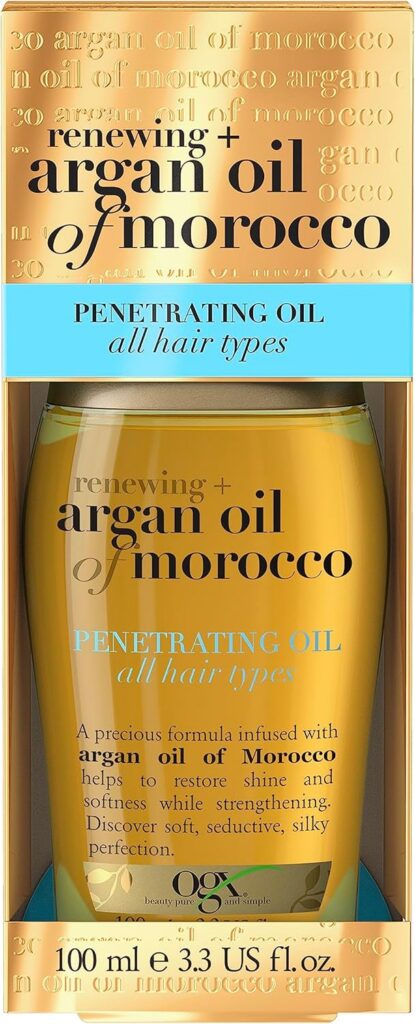
- Lightweight oils such as argan or jojoba oil
Avoid applying large amounts of coconut oil, butter or heavy styling wax.
Best Routine for Medium-Porosity Hair
Medium-porosity hair usually needs a balanced routine.
Wash according to your scalp type and activity level. Use conditioner after shampooing and apply a hair mask when your hair begins to feel dry.
You can use most lightweight or medium-weight styling products without creating excessive buildup.
Protect your hair from unnecessary damage by limiting high heat, bleaching and harsh chemical treatments.
Best Routine for High-Porosity Hair
High-porosity hair needs products that add moisture and help seal it inside the hair strand.
Use a moisturising shampoo followed by a rich conditioner. A leave-in conditioner can provide additional softness and protection.
Applying a small amount of oil after a water-based product may help reduce moisture loss.
Look for:
- Ceramides
- Amino acids
- Hydrolysed proteins
- Shea butter
- Argan oil
- Leave-in conditioners
- Heat-protection products
Protein treatments may temporarily improve the feel of damaged hair, but using them too often can leave some hair types feeling stiff. Alternate protein treatments with moisturising products.
Hair Porosity for Different Men’s Hair Types
Curly or Coily Hair
Curly hair can become dry because natural scalp oils find it more difficult to travel along the entire strand.
Focus on gentle cleansing, regular conditioning and careful detangling. Avoid brushing curly hair when it is completely dry.
Fine or Thinning Hair
Fine hair can become weighed down easily, regardless of porosity.
Choose lightweight products and apply conditioner mainly to the middle and ends. Avoid applying heavy oils directly to the scalp.
Hair porosity does not cause male-pattern baldness. Speak to a GP or dermatologist if you notice sudden shedding, bald patches or continued thinning.
Coloured or Bleached Hair
Bleaching and colouring can raise the hair cuticle, making hair more porous.
Use colour-safe shampoo, regular conditioner, heat protection and occasional strengthening treatments. Reducing further chemical processing can help prevent additional breakage.
Common Hair Porosity Mistakes Men Make
Using Too Much Product
More product does not always create better results. Start with a small amount and add more only when necessary.
Confusing Porosity With Hair Type
Hair type describes whether your hair is straight, wavy, curly or coily. Porosity describes how it absorbs and retains moisture.
A man can have curly low-porosity hair or straight high-porosity hair.
Testing Dirty Hair
Oil, wax, silicone and styling products can make hair appear less absorbent. Always perform porosity tests on clean hair.
Ignoring Scalp Health
Porosity relates mainly to the hair strand, while dandruff, itching and excessive oiliness relate to the scalp.
A complete routine should care for both.