
Did You Know?
Nearly 1 in 2 adults experiences dandruff at some point in their lives. Although it’s not contagious, it can affect confidence and often returns if the underlying cause isn’t addressed.
What Causes Dandruff?

Let’s be honest. Many people think dandruff simply means a dry scalp.
That’s not always true.
Dandruff can develop for several reasons, including:
- Excess oil production
- Dry scalp
- Overgrowth of Malassezia yeast
- Product build-up
- Sensitive skin
- Not shampooing enough
- Stress
- Weather changes
Understanding the cause helps you choose the right dandruff treatment at home instead of guessing.
Why Try Natural Remedies for Dandruff?
Natural remedies can be a good option for mild dandruff because they may:
- Help soothe an itchy scalp.
- Reduce excess oil.
- Remove product build-up.
- Support a healthier scalp.
- Be affordable and easy to use.
- Complement medicated shampoos.
10 Best Home Remedies for Dandruff
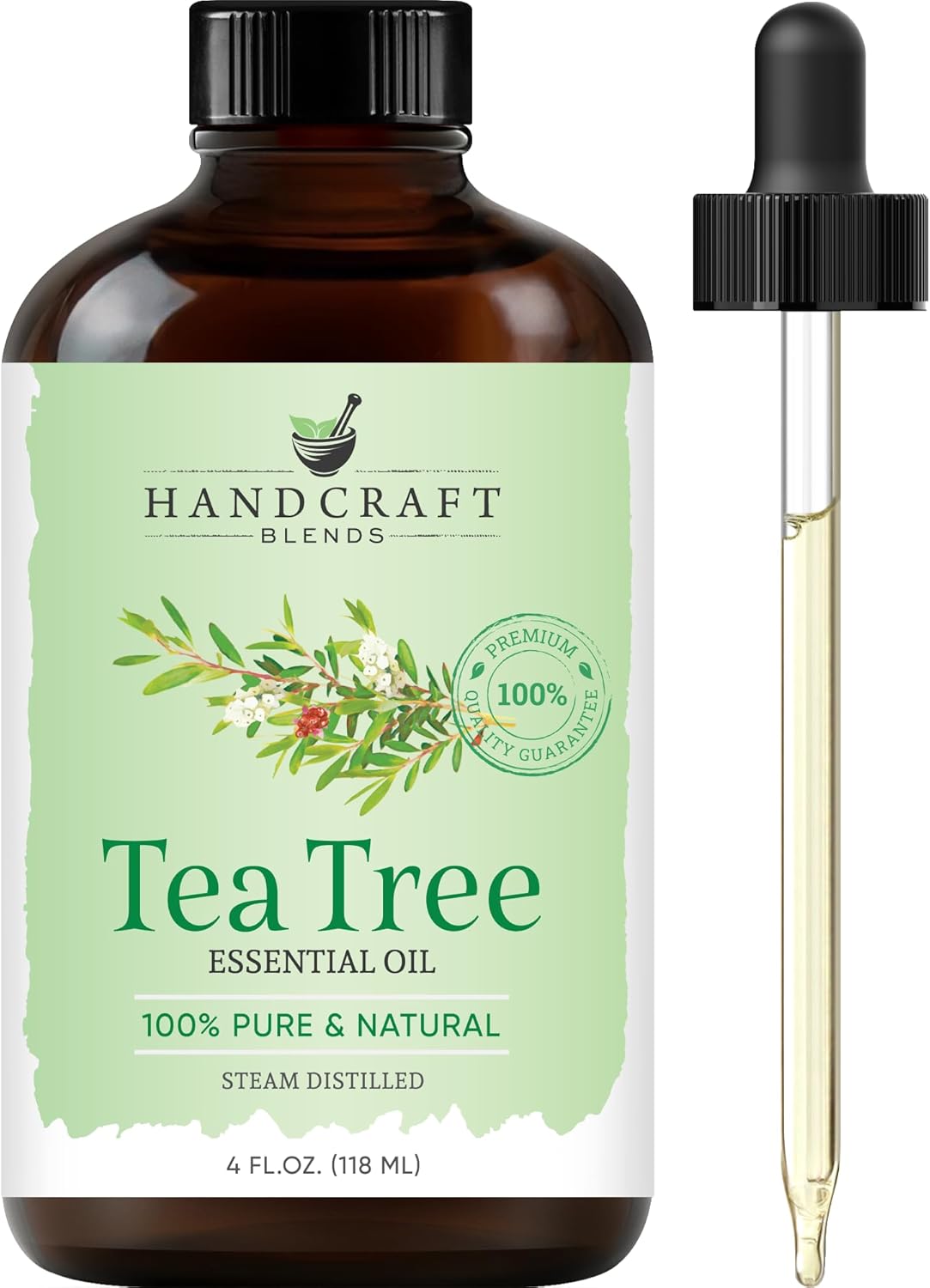
1. Tea Tree Oil
Why it may help
Tea tree oil is one of the most popular natural remedies for dandruff because it has natural antifungal and anti-inflammatory properties. It may help reduce the growth of Malassezia yeast—a common cause of dandruff—while also soothing an itchy, irritated scalp.
How to use
Mix 2–3 drops of tea tree oil with a carrier oil such as coconut or jojoba oil, or add a few drops to your shampoo. Massage gently into your scalp and rinse thoroughly.
2. Neem Water for dandruff
Why it may help
Neem has been used in traditional medicine for centuries to support scalp health. Its natural antibacterial, antifungal, and anti-inflammatory compounds may help reduce dandruff-causing microbes while calming an irritated or itchy scalp.
How to use
Boil a handful of fresh neem leaves in water for 10–15 minutes. Allow it to cool completely and use it as a final rinse after shampooing.
3. Fenugreek (Methi) Seeds
Why it may help
Fenugreek seeds are rich in protein, antioxidants, and plant compounds that may help soothe scalp irritation and reduce dryness.
How to use
Soak two tablespoons of fenugreek seeds overnight. Blend into a smooth paste, apply to your scalp for 30 minutes, then rinse with a mild shampoo.
4. Lemon Juice
Why it may help
Lemon juice contains natural citric acid, which may help reduce excess oil and create a scalp environment that’s less favourable for dandruff. It can also help lift loose flakes and leave your scalp feeling refreshed. However, using too much may cause irritation, especially on sensitive skin.
How to use
Mix fresh lemon juice with coconut oil before applying to your scalp. Leave it on for 10–15 minutes before washing with a gentle shampoo.
5. Curd (Yogurt) for dandruff
Why it may help
Plain curd is naturally moisturising and contains probiotics that may help support a healthier scalp. It can soothe dryness, reduce itching, and soften flaky skin, making it particularly helpful if your dandruff is linked to a dry scalp.
How to use
Apply plain, unsweetened curd evenly to your scalp. Leave it on for 20–30 minutes, then rinse thoroughly with a mild shampoo.
6. Apple Cider Vinegar
Why it may help
Apple cider vinegar may help remove product build-up, excess oil, and dead skin cells from the scalp. Its acidic nature may also help restore the scalp’s natural pH balance.
How to use
Dilute one part apple cider vinegar with three parts water. Use it as a final rinse after shampooing, then rinse again with clean water if needed.
7. Aloe Vera Gel for Dandruff
Why it may help
Aloe vera is well known for its cooling and soothing properties. It may help reduce scalp irritation, redness, and itching while providing hydration to dry, flaky skin.
How to use
Apply fresh aloe vera gel directly to your scalp. Leave it on for 20 minutes, then wash your hair with a mild shampoo.
8. Onion Juice
Why it may help
Onion juice contains sulphur compounds and antioxidants that may support overall scalp health. While evidence for treating dandruff is limited, its antimicrobial properties may help reduce dandruff.
How to use
Apply fresh onion juice to your scalp using a cotton pad or your fingertips. Leave it on for 15–20 minutes, then shampoo thoroughly to remove the smell.
9. Aspirin
Why it may help
Aspirin contains salicylic acid, an ingredient commonly found in anti-dandruff shampoos. It may help gently exfoliate dead skin cells, loosen flakes, and reduce scalp build-up, making dandruff easier to manage.
How to use
Crush two aspirin tablets into a fine powder and mix them with your regular shampoo. Massage into your scalp for a few minutes before rinsing thoroughly.
10. Baking Soda for Dandruff
Why it may help
Baking soda acts as a gentle exfoliant that may help remove excess oil, dirt, and loose flakes from the scalp.
How to use
Wet your hair and gently massage a small amount of baking soda onto your scalp for 1–2 minutes. Rinse thoroughly and use it only occasionally.
Best Remedy for Dandruff Based on Your Hair Type
| Hair Type | Best Home Remedy |
| Oily Hair | Lemon Juice, Apple Cider Vinegar |
| Dry Hair | Aloe Vera, Curd |
| Curly Hair | Aloe Vera, Tea Tree Oil (Diluted) |
| Sensitive Scalp | Aloe Vera, Neem Water |
| Thick Hair | Tea Tree Oil, Fenugreek |
| Fine Hair | Apple Cider Vinegar, Neem Water |
When Should You See a Doctor for dandruff
Home remedies may help mild dandruff, but speak to a healthcare professional if:
- Dandruff lasts longer than 4–6 weeks despite treatment.
- Your scalp becomes painful, swollen, or starts bleeding.
- You notice significant hair loss.
- Flakes are thick, yellow, or crusty.
- Over-the-counter anti-dandruff shampoos don’t help.
Frequently Asked Questions
Q1. Can home remedies permanently cure dandruff?
No. Home remedies can help manage dandruff, but it may return if the underlying cause isn’t addressed.
Q2. Which is the best home remedy for dandruff?
Tea tree oil, aloe vera, and neem are among the most popular natural remedies for mild dandruff.
Q3. How often should I use these remedies?
Most remedies can be used 1–2 times per week, depending on your scalp’s sensitivity.
Q4. Can dandruff cause hair loss?
Dandruff itself doesn’t usually cause permanent hair loss, but persistent itching and inflammation may increase temporary hair shedding.
Q5. Should I shampoo if I have dandruff?
Yes. Washing regularly with a suitable anti-dandruff shampoo helps remove flakes, oil, and yeast buildup.
Key Takeaways
- Dandruff can be caused by excess oil, dry skin, yeast, stress, or product build-up.
- Natural remedies like tea tree oil, aloe vera, and neem may help relieve mild dandruff symptoms.
- Always dilute strong ingredients such as tea tree oil and apple cider vinegar before applying them to your scalp.
- If dandruff persists, becomes painful, or is accompanied by significant hair loss, seek medical advice.
- Combine home remedies with a consistent hair care routine and the right shampoo for the best long-term results.