
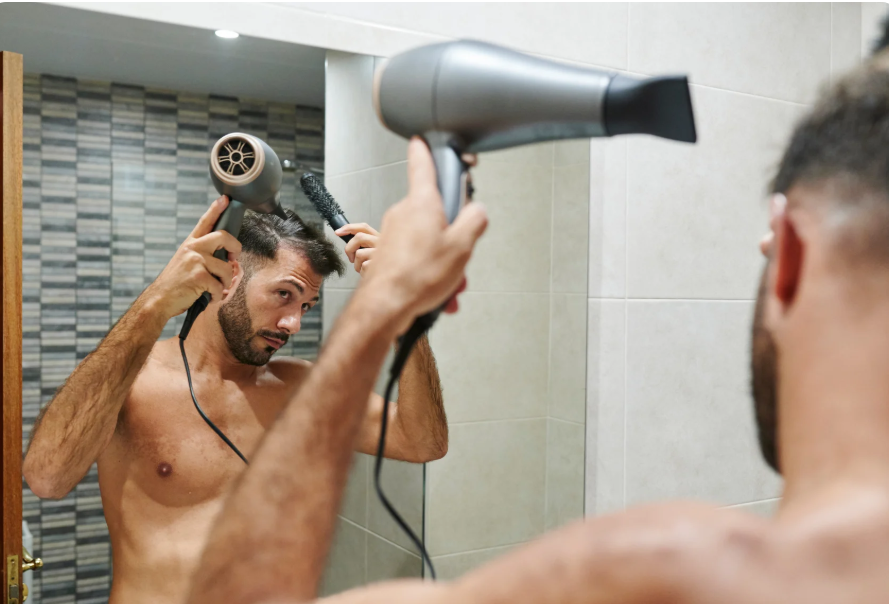
Do you use hair dryer every morning before work or after the gym?
For many men, it’s one of the quickest ways to style their hair and save time. However, using too much heat or drying your hair incorrectly can lead to dryness, breakage, split ends, and make thinning hair appear worse.
Let’s look at how to use a hair dryer the right way and keep your hair healthy.
Why Heat Styling Can Damage Your Hair
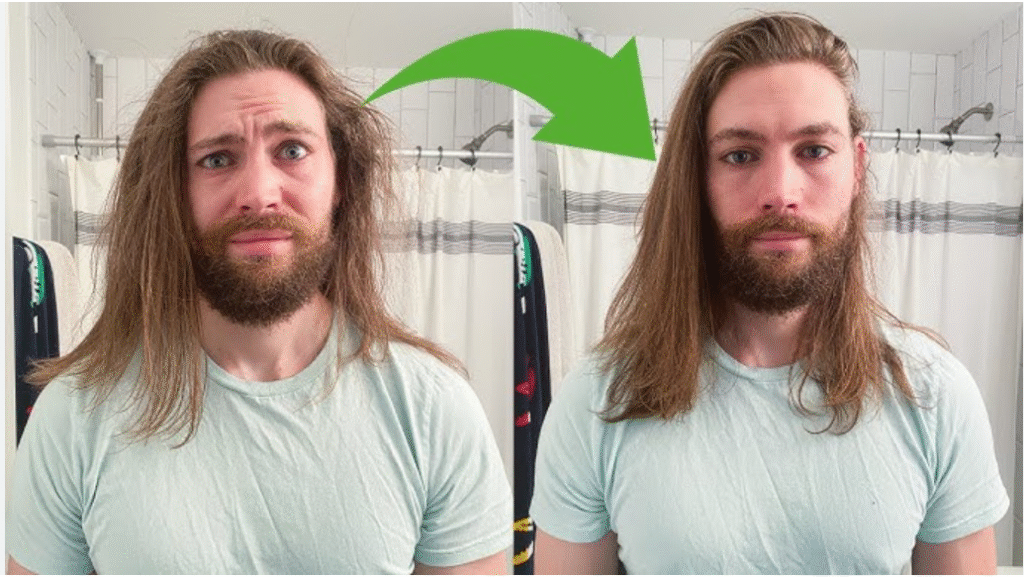
Let’s be honest. Most men think the hotter the dryer, the faster they’ll be done. Unfortunately, that’s where many people go wrong.
Your hair is made mainly of keratin, a protein that gives each strand its strength and flexibility. When exposed to excessive heat repeatedly, the protective outer layer of your hair, known as the cuticle, begins to lift.
Once this happens, your hair loses moisture much faster. Over time, this may lead to:
- Dry and brittle hair
- Split ends
- Increased frizz
- Hair breakage
- Dull-looking hair
- Reduced elasticity
Fortunately, a few small changes can make a significant difference.
Did You Know?
Hair is made mainly of a protein called keratin.
Excessive heat can lift the outer protective layer of your hair (the cuticle), allowing moisture to escape and increasing the risk of dryness, frizz, and breakage.
How to Protect Hair from Heat Damage of Hair Dryer
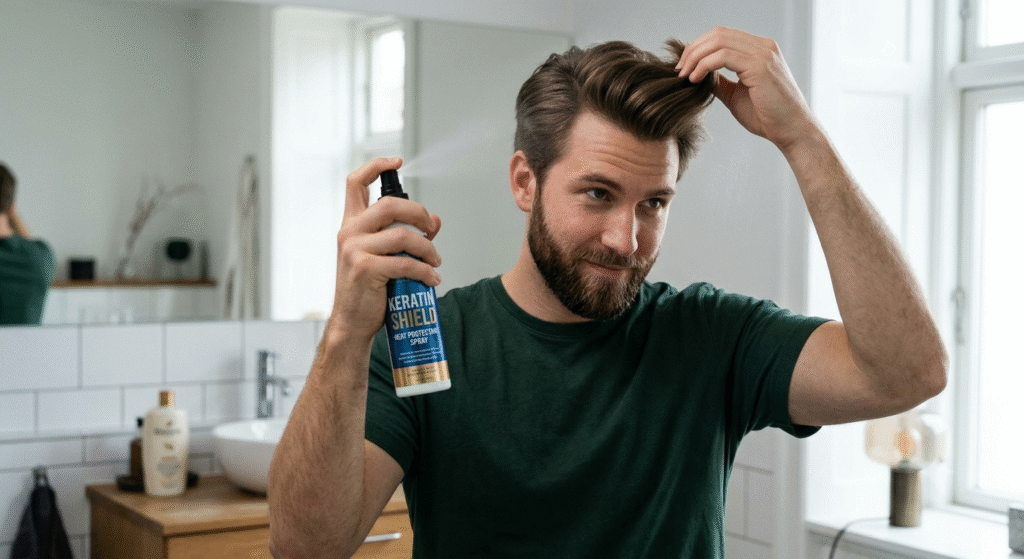
Before you even switch on your hair dryer or blow dryer, preparation is everything.
Step 1: Remove Excess Water First
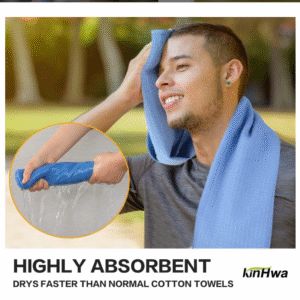
Never use hair dryer on soaking wet hair. Instead, gently squeeze out excess water and pat your hair dry. For this use a microfiber towel or a soft cotton T-shirt. This reduces drying time and limits heat exposure.
Shop the Best Microfiber Hair Towels from Amazon
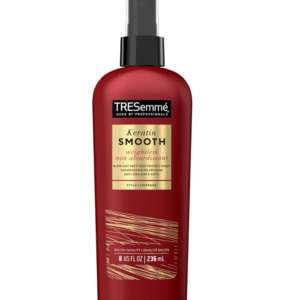
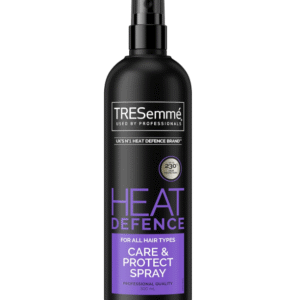
Step 2: Always Apply Heat Protection for Hair
A good heat protectant for hair forms a lightweight barrier around each strand. Although it doesn’t completely block heat, it helps reduce moisture loss and minimise damage caused by high temperatures. Think of it like sunscreen—but for your hair. Spray or apply the product evenly before blow drying.
Benefits of Using a Heat Protectant
✔ Helps keep hair softer for longer.
✔ Helps reduce heat damage.
✔ Locks in moisture.
✔ Reduces frizz and flyaways.
✔ Improves hair shine.
✔ Makes styling easier.
Shop: Best Heat Protectant Sprays for Men
How to Use Hair Dryer Correctly
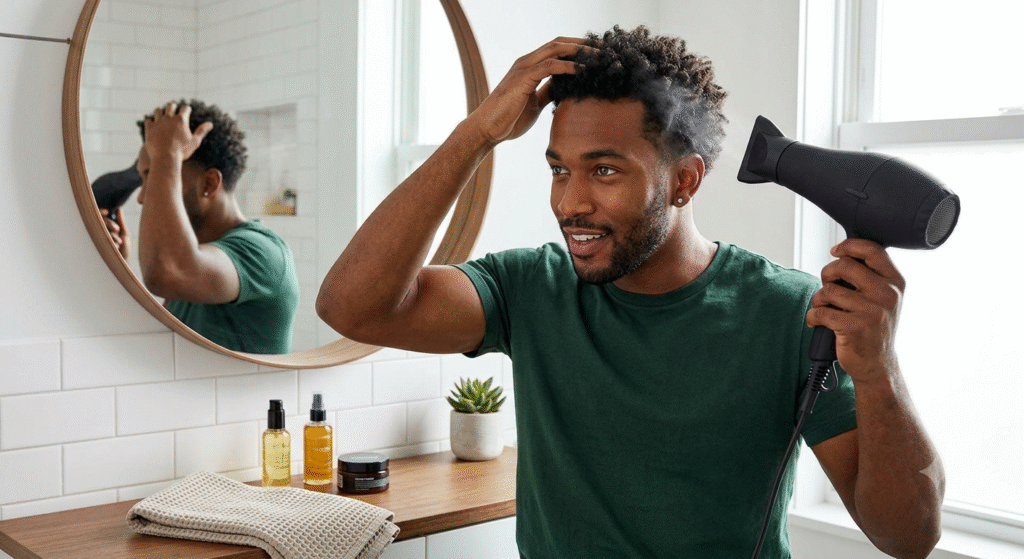
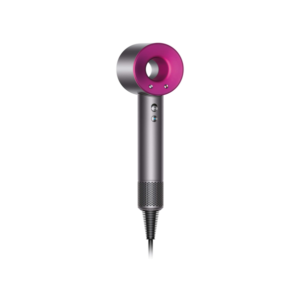
Learning to use hair dryer properly is just as important as choosing the right products. Follow these simple steps for healthier-looking hair.
Step 1: Keep the Hair Dryer Moving
Avoid holding the dryer in one spot. Instead, keep it moving continuously. This distributes heat evenly and helps prevent heat damage.
Step 2: Maintain the Right Distance
Hold your hair dryer around 15–20 cm (6–8 inches) away from your hair. Holding it too close concentrates heat on one area, increasing the risk of dryness and breakage.
Step 3: Dry from Roots to Ends
Always direct airflow from your roots towards your ends. This helps smooth the hair cuticle, reducing frizz and improving shine. It also creates a neater finish.
Step 4: Finish with Cool Air
Here’s a simple hair dryer tip many men overlook. Finish your routine using the cool shot button. Cool air helps close the hair cuticle, lock in moisture, and keep your hairstyle in place for longer.
💡 Quick Tip
If you’re styling your hair daily, allow your hair to air dry until it’s about 70–80% dry before using a hair dryer. This significantly reduces the amount of heat your hair is exposed to.
Not Sure which Hair Dryer to buy.
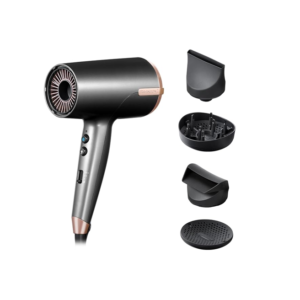
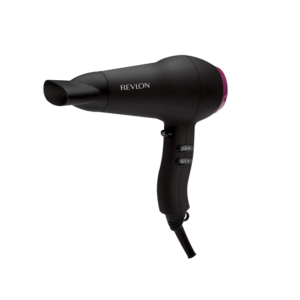
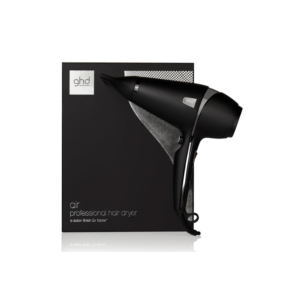
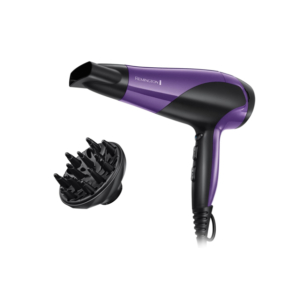
Read our Article: How to Choose the Best Hair Dryer for Men
Hair Care After Heat Styling
Your routine shouldn’t stop once you’ve finished drying your hair.
Looking after your hair afterwards is just as important.
Step 1: Use a Lightweight Hair Serum
A few drops of serum can help reduce frizz while adding shine without making your hair greasy.
Step 2: Avoid Washing Your Hair Too Often
Over washing removes the scalp’s natural oils, making heat-damaged hair feel even drier. Choose a shampoo that suits your hair type instead.
Still not sure which shampoo is right for your hair type?
Read: How to Choose the Right Shampoo for Men
Step 3: Deep Condition Weekly
Using a nourishing conditioner or hair mask once a week helps restore moisture lost through regular heat styling done by hair dryers or hair straightners.
Read: Best Leave-In Conditioners for Men
Different Hair Types Need Different Heat Settings
Every man’s hair is different.
| Hair Type | Recommended Heat |
|---|---|
| Fine | Low |
| Normal | Medium |
| Thick | Medium–High |
| Curly | Medium |
Frequently Asked Questions
Q1. Can I use hair dryer every day?
No, Using hair dryer daily can damage your hair in the long run.
Q2. Does blow drying cause hair loss?
Blow drying doesn’t cause genetic hair loss. However, repeated heat damage may increase breakage and make hair appear thinner.
Q3. Should I air dry or blow dry my hair?
A combination works best. Allow your hair to air dry until it’s about 70–80% dry before using a hair dryer on a medium heat setting.
Q4. What’s the best temperature for blow drying?
Medium heat is suitable for most hair types and helps minimise heat damage while still drying your hair effectively.
Q5. Can Heat Damage Be Repaired?
Hair can’t truly repair itself because it’s made of dead keratin. However, conditioners, hair masks, and reducing heat can improve how damaged hair looks and feels while preventing further damage.
Key Takeaways
- Always use a heat protectant for hair before styling.
- Keep your hair dryer moving and avoid concentrating heat in one area.
- Use medium heat instead of maximum heat whenever possible.
- Finish with cool air to smooth the hair cuticle.
- Follow a healthy hair care routine to keep your hair strong and manageable.