

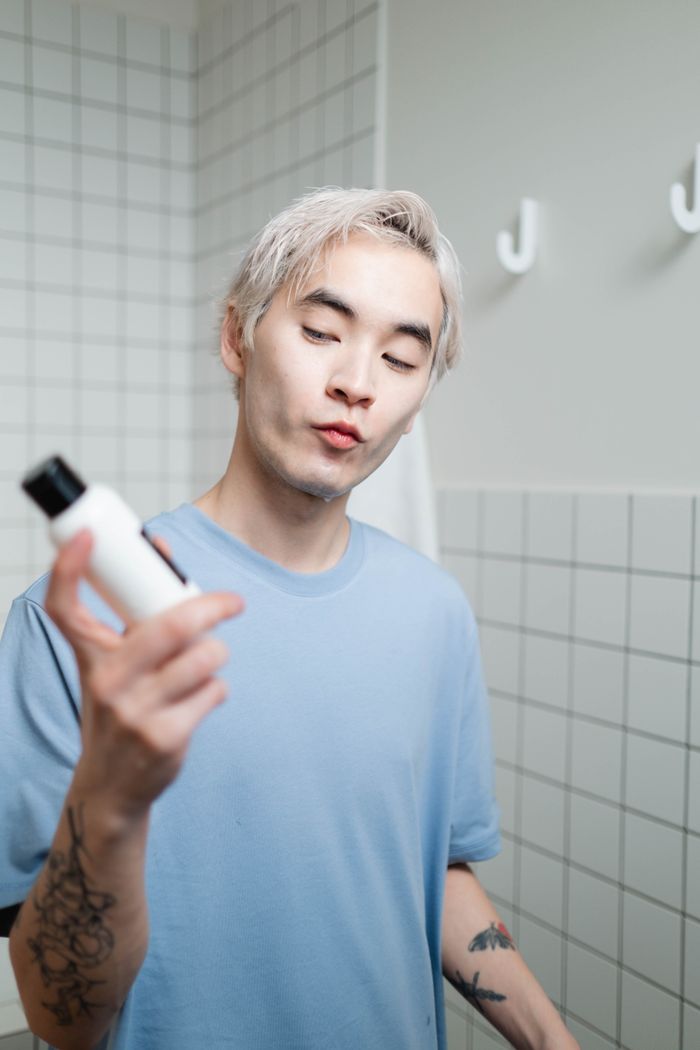
Walk down the grooming aisle of any store, and you will see dozens of shampoo bottles making bold claims: “Volumizing,” “Deep Cleansing,” “Scalp Repair,” or “All-in-One 3-in-1.”
For most men, picking a shampoo comes down to grabbing whatever bottle is closest or on sale. But using the wrong formula can leave your hair looking flat, greasy, dry, or even contribute to an itchy, irritated scalp.
Your shampoo is not just about washing away dirt—it is about managing your scalp health and giving your hair the right environment to thrive. Here is a straight-forward guide to choosing the right shampoo for your specific hair and scalp type.

Start with Your Scalp Type, Not Your Hair
This is the biggest mistake men make: buying shampoo based only on what their hair looks like, rather than what their scalp needs.
Shampoo is primarily designed to clean your scalp and the roots of your hair. If your scalp is healthy, your hair will follow.
1. The Oily Scalp
If your hair feels greasy by the end of the day or looks shiny a few hours after washing, you have an oily scalp.
- Look for: “Clarifying,” “Daily Cleansing,” or “Balancing” formulas.
- Key Ingredients: Tea tree oil, salicylic acid, or gentle sulfates that break down excess sebum without stripping the skin completely.
- Avoid: Heavy moisturizing shampoos, deep conditioners built into the shampoo, or silicone-heavy formulas that weigh hair down.
2. The Dry or Itchy Scalp
If your scalp feels tight, itchy, or produces small, dry white flakes, it lacks moisture.
- Look for: “Hydrating,” “Moisturizing,” or “Soothe & Nourish” labels.
- Key Ingredients: Aloe vera, argan oil, jojoba oil, and glycerin.
- Avoid: Harsh sulfates (like Sodium Lauryl Sulfate) and heavily fragranced products, which can strip away natural oils and worsen irritation.
3. The Sensitive Scalp
If your scalp turns red easily, burns, or reacts to new products, stick to minimalist formulas.
- Look for: “Fragrance-Free,” “Hypoallergenic,” or “Calming” shampoos.
- Key Ingredients: Chamomile, oat extract, and aloe vera.
- Avoid: Paraben-heavy formulas, artificial dyes, and strong synthetic scents.
Matching Shampoo to Your Hair Goals
Once you understand your scalp type, consider what your specific hair length, texture, and density require.
| Hair Type / Need | What Your Hair Needs | Best Shampoo Focus |
| Thinning / Fine | Lightweight volume & follicle support | Volumizing / Thickening formulas |
| Curly / Wavy | High moisture & frizz control | Sulfate-free / Hydrating cleansers |
| Thick / Coarse | Manageability & deep hydration | Softening / Smoothing shampoos |
| Persistent Flakes | Fungal control & inflammation relief | Anti-dandruff (Ketoconazole/Zinc) |
For Thinning or Fine Hair
If you notice your hair losing density or laying flat, heavy shampoos will weigh down your strands, making your scalp more visible.
- The Goal: Build body and clear away excess oil blocking the follicles.
- What to buy: Look for thickening or volumizing shampoos containing biotin, keratin, or saw palmetto. These coat individual strands to create temporary thickness while keeping the scalp light and clean.
For Curly, Wavy, or Coarse Hair
Curly and wavy hair structures make it harder for natural scalp oils to travel down the hair shaft, leaving the ends dry and prone to frizz.
- The Goal: Retain moisture and preserve natural curl patterns.
- What to buy: Choose a sulfate-free, hydrating shampoo. Sulfates strip away the moisture curly hair desperately needs.
For Persistent Dandruff (Oily Flakes)
It is crucial to distinguish between a dry scalp (small dry flakes) and actual dandruff (larger, yellowish, greasy flakes caused by an overgrowth of yeast on the scalp).
- The Goal: Target the root cause of inflammation and fungal activity.
- What to buy: Use a targeted anti-dandruff shampoo 2–3 times a week containing ingredients like Ketoconazole, Zinc Pyrithione, or Selenium Sulfide. Rotate with a gentle daily shampoo on off-days to avoid over-drying your hair.
Ingredients to Watch Out For
You do not need an advanced chemistry degree to read a label, but keeping an eye out for a few specific ingredients can make a noticeable difference in your hair quality over time:
- Sulfates (SLS / SLES): High-foaming cleansers that clear dirt quickly, but can be overly harsh if used daily on dry or curly hair.
- Silicones (e.g., Dimethicone): Smooth the hair shaft and add shine, but can build up on the scalp over time if not washed out properly with a clarifying shampoo.
- Parabens: Preservatives used in cosmetics; many men prefer paraben-free alternatives to minimize unnecessary chemicals.
How Often Should You Actually Shampoo?
Overwashing is one of the most common causes of hair issues. Shampooing every single day can strip your scalp of its natural protective oils, causing it to overcompensate by producing more oil, or leaving it severely dry.
- Oily Scalp / Fine Hair: Daily or every other day.
- Normal / Combination Scalp: 2 to 3 times per week.
- Dry, Curly, or Coarse Hair: 1 to 2 times per week.
Tip: On days you skip shampoo, simply rinse your hair with warm water in the shower to reshape it and clear light residue without stripping your scalp.
The Verdict
Finding the right shampoo comes down to identifying your scalp type first and addressing your hair texture second.
Instead of grabbing the cheapest bottle on the rack, invest in a shampoo tailored to your specific needs. Give any new bottle 2 to 3 weeks to see how your hair and scalp respond before deciding if it is the right fit.