


Have you ever seen a hair care tip online, tried it for a few weeks, and wondered why absolutely nothing changed?
Maybe you’ve been avoiding hats because someone told you they cause baldness. Or perhaps you’ve been rinsing your hair with freezing cold water every morning hoping for thicker, shinier hair.
Let’s be honest.
The internet is full of hair advice, but not all of it is backed by science. Some myths have been passed down for decades, while others have exploded thanks to social media trends.
The problem?
Following bad advice can waste your time, money, and in some cases, even make your hair problems worse.
So let’s separate fact from fiction and focus on what actually works for healthier, stronger hair.
Myth 1: Wearing Hats Causes Baldness
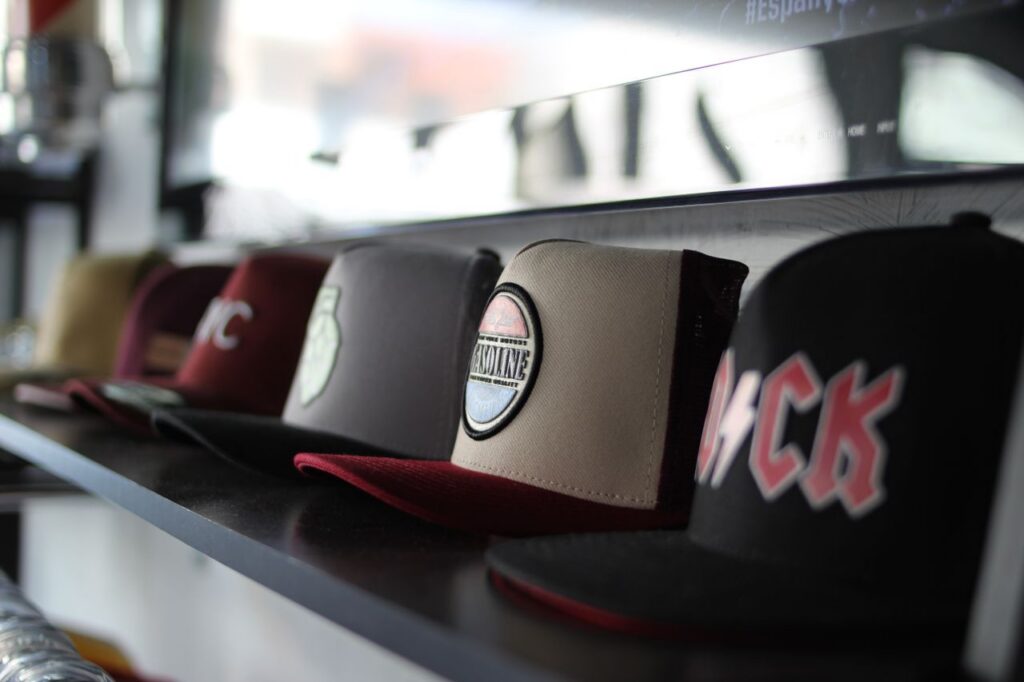
If you’ve noticed thinning hair, chances are someone has blamed your favourite cap at some point.
Here’s the good news.
Wearing a hat does not cause male pattern baldness.
Your hair follicles receive oxygen and nutrients through blood vessels beneath the scalp, not from exposure to air. That means covering your hair with a hat won’t suffocate your follicles.
So why do so many men believe this myth?
Because hair loss often starts during the same years many men regularly wear hats. The timing creates a false connection.
What Actually Causes Hair Loss?
For most men, the biggest factor is genetics.
Male pattern baldness occurs when hair follicles become sensitive to a hormone called DHT (dihydrotestosterone). Over time, DHT gradually shrinks hair follicles, causing thinner and shorter hair growth until some follicles stop producing visible hair altogether.
If your father, grandfather, or close relatives experienced hair loss, your chances are significantly higher.
What Should You Do?
Instead of worrying about hats:
- Monitor changes in your hairline
- Take monthly progress photos
- Focus on proven hair loss treatments if thinning begins
- Avoid extremely tight hats that create constant friction
The hat isn’t the problem. Understanding the real cause is.
Fact 1: Genetics Usually Have The Final Say
Here’s where many men get it wrong.
They spend hundreds of pounds on miracle shampoos while ignoring the biggest factor influencing their hair: genetics.
Genes determine:
- Hair density
- Hair thickness
- Hair growth cycle length
- Sensitivity to DHT
That doesn’t mean you’re powerless.
Lifestyle choices still matter because they can influence how quickly hair loss progresses.
Poor nutrition, chronic stress, smoking, and lack of sleep can all place additional stress on hair follicles.
Think of genetics as the foundation. Your daily habits determine how well you maintain what’s already there.
Myth 2: Washing Your Hair Every Day Causes Hair Loss
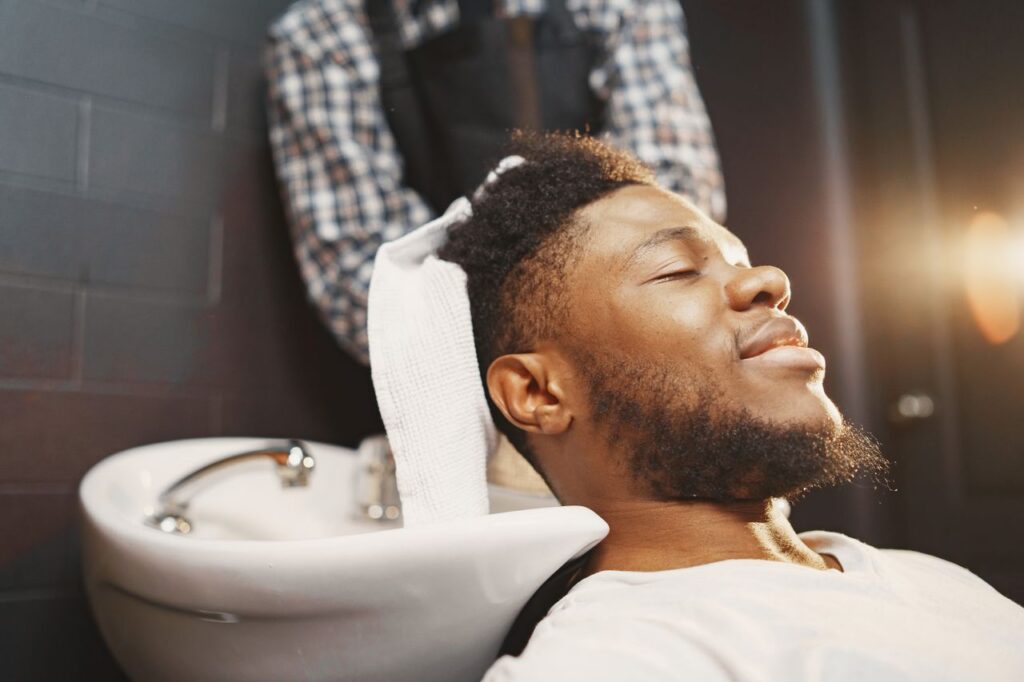
Have you ever shampooed your hair and noticed strands in your hands afterward?
Many men immediately assume the shampoo caused the hair loss.
It didn’t.
Hair naturally follows a growth cycle consisting of growth, transition, and shedding phases. Every day, most people lose between 50 and 100 hairs as part of this normal cycle.
Washing simply removes hairs that were already ready to shed.
The Real Issue Isn’t Frequency
It’s the product you’re using.
Harsh shampoos can strip away natural oils, leaving the scalp irritated and dry.
On the other hand, not washing enough can lead to excessive oil buildup, dandruff, and inflammation.
What Should You Do?
For Men With Oily Hair:
- Wash daily or every other day
- Use a gentle shampoo designed for oily scalps
For Men With Dry Hair:
- Wash 2-3 times per week
- Use hydrating products that support moisture retention
The goal isn’t washing less.
The goal is washing appropriately for your hair type.
Fact 2: A Healthy Scalp Creates Better Hair
Most men focus entirely on their hair.
The smarter approach?
Focus on the scalp first.
Your scalp is living skin packed with hair follicles, oil glands, blood vessels, and a complex microbiome.
When scalp health declines, hair quality often follows.
Signs Your Scalp Needs Attention
- Persistent itching
- Excessive oiliness
- Dandruff
- Redness
- Flaking
Inflammation around hair follicles can disrupt healthy growth cycles and contribute to weaker hair over time.
What Should You Do?
Build a scalp-focused routine:
- Cleanse regularly
- Avoid product buildup
- Massage the scalp during washing
- Use products suited to your scalp condition
Think of it this way.
You wouldn’t expect healthy plants to grow in unhealthy soil.
Your scalp works exactly the same way.
Myth 3: Cutting Your Hair Makes It Grow Faster
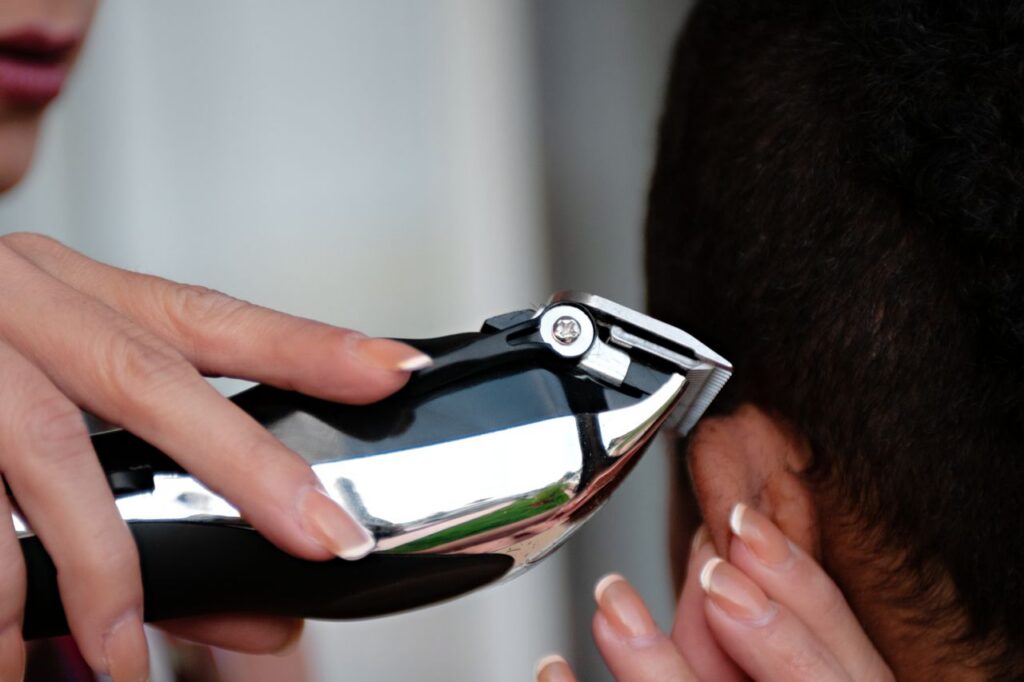
This myth has survived for generations.
But scientifically, it doesn’t make sense.
Hair growth happens inside the follicle beneath the scalp.
Haircuts only affect the portion of hair that has already emerged from the skin.
Since trimming doesn’t influence the follicle itself, it cannot speed up growth.
So Why Does Hair Look Better After A Trim?
Because damaged ends are removed.
Split ends can travel upward along the hair shaft, leading to increased breakage and thinner-looking hair.
Regular trims help maintain stronger-looking hair, even though they don’t increase growth speed.
What Should You Do?
If you’re growing your hair out:
- Get a maintenance trim every 8-12 weeks
- Remove damaged ends before breakage spreads
- Focus on preventing damage rather than chasing faster growth
Fact 3: Your Diet Shows Up In Your Hair
This is where things get interesting.
Hair is one of the fastest-growing tissues in the body.
That means follicles require a constant supply of nutrients to function properly.
When your body lacks essential nutrients, hair often becomes one of the first places where the effects appear.
Nutrients Linked To Healthy Hair
Protein:
Hair is primarily made of keratin, a structural protein.
Iron:
Supports oxygen delivery to hair follicles.
Vitamin D:
Plays a role in follicle cycling.
Zinc:
Supports tissue growth and repair.
Omega-3 Fatty Acids:
Help support scalp health and reduce inflammation.
What Should You Do?
Before buying expensive supplements:
Try adding these to your meals several times per week.:
- Eggs
- Salmon
- Lean meats
- Nuts
- Seeds
- Leafy green vegetables
Consistent nutrition often produces better long-term results than chasing quick fixes.
Myth 4: Cold Water Makes Hair Shinier

You’ve probably seen this advice everywhere.
Finish your shower with ice-cold water and your hair will become shinier.
The reality is much less exciting.
There is very little scientific evidence showing that cold water dramatically improves shine.
Hair shine depends more on:
- Cuticle condition
- Moisture levels
- Product use
- Overall hair health
What Actually Matters?
Extremely hot water can strip natural oils from the scalp and increase dryness.
That’s why lukewarm water is usually the best choice.
What Should You Do?
Instead of freezing yourself every morning:
- Use lukewarm water
- Condition regularly
- Reduce heat damage
- Keep hair properly hydrated
Those factors have a much bigger impact on appearance.
Fact 4: Heat Styling Can Slowly Damage Your Hair
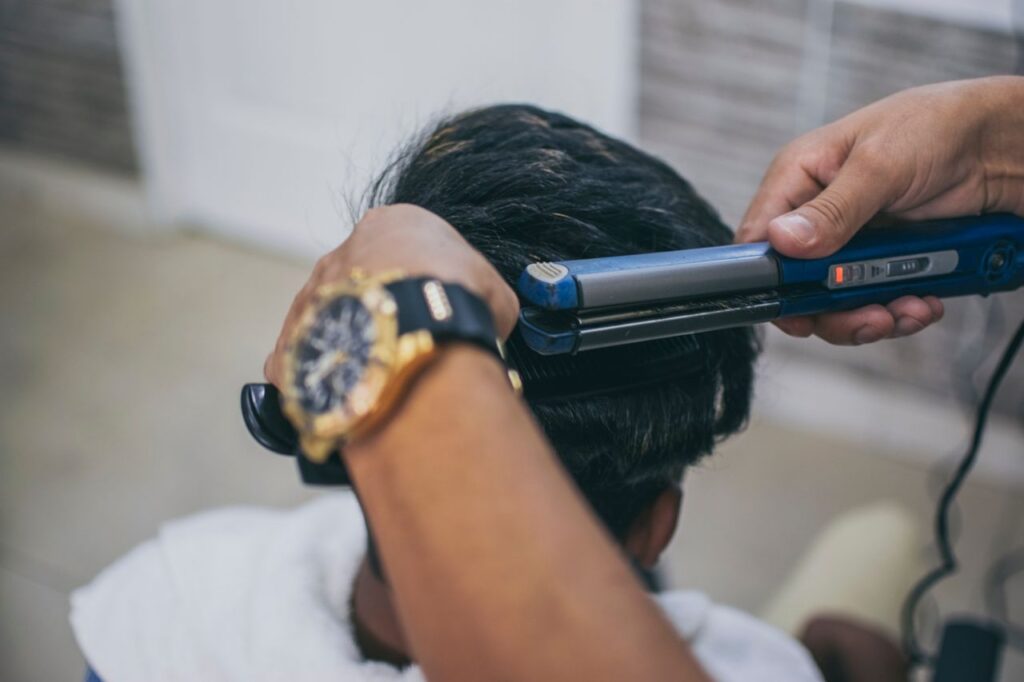
Hair dryers, straighteners, and styling tools can be useful.
But repeated high temperatures weaken the protein structure inside the hair shaft.
Over time, this can lead to:
- Dryness
- Breakage
- Split ends
- Reduced elasticity
The damage often builds gradually, making it difficult to notice until significant breakage occurs.
What Should You Do?
If you regularly use heat:
- Use a heat protectant
- Air dry whenever practical
- Keep temperatures moderate
- Avoid daily heat styling when possible
Small changes today can preserve hair strength for years.
Myth 5: Hair Products Can Repair Split Ends Forever

Here’s a marketing claim worth questioning.
Many products promise to repair split ends permanently.
Unfortunately, that’s impossible.
Once a hair strand splits, the damage cannot truly be reversed.
Most products temporarily coat damaged areas, making hair feel smoother and look healthier.
The improvement is cosmetic, not permanent.
What Should You Do?
The only long-term solution is trimming damaged ends.
Then focus on preventing future damage through:
- Gentle brushing
- Proper conditioning
- Reduced heat exposure
- Regular maintenance trims
Fact 5: Some Hair Loss Treatments Actually Work
The hair loss industry is filled with products making huge promises.
Very few have strong scientific evidence behind them.
One of the most researched options remains topical minoxidil.
Minoxidil helps extend the growth phase of hair follicles and may improve blood flow around the scalp, helping some men maintain and regrow hair.
The key word is consistency.
Results typically take several months and stopping treatment often reverses progress.
What Should You Do?
If you’re noticing ongoing hair loss:
- Start tracking changes early
- Consult a healthcare professional
- Focus on evidence-based treatments
- Be cautious of miracle cures and viral trends
The earlier you act, the more options you typically have.
Hair Care Advice Based On Your Situation
For Men With Oily Hair
- Wash more frequently
- Avoid heavy oils
- Focus on scalp cleansing
For Men With Dry Hair
- Reduce overwashing
- Use moisturising conditioners
- Avoid very hot water
For Men Experiencing Hair Loss
- Monitor progression early
- Prioritise proven treatments
- Maintain good nutrition and sleep habits
For Men With Dandruff
- Use anti-dandruff shampoos consistently
- Avoid excessive scratching
- Keep the scalp clean without over-drying it
Key Takeaways
- Hats do not cause male pattern baldness.
- Genetics remain the biggest factor in male hair loss.
- Daily washing doesn’t cause hair loss when appropriate products are used.
- A healthy scalp creates the best environment for stronger hair.
- Nutrition, sleep, and stress management all influence hair quality.
- Heat styling and poor grooming habits can cause unnecessary damage.
- Proven treatments exist, but consistency matters more than quick fixes.
Final Thoughts
Hair care doesn’t have to be complicated.
The biggest mistake most men make is chasing trends instead of focusing on fundamentals. Healthy hair starts with a healthy scalp, good nutrition, smart grooming habits, and realistic expectations.
Ignore the myths, stick to evidence-based habits, and stay consistent. Small improvements made today can help you maintain stronger, healthier hair for years to come.