
Hair Changes Throughout the Year? A Practical Seasonal Care Guide
Have you ever noticed your hair feels completely different depending on the season?
Maybe your scalp becomes oily and sweaty during summer. Then winter arrives and suddenly your hair feels dry, brittle, and impossible to manage.
Or perhaps you’ve noticed more hair in the shower during autumn and immediately assumed you’re going bald.
Before you panic, here’s something worth knowing.
Your hair responds to changes in weather just like your skin does.
Temperature, humidity, UV exposure, indoor heating, and even seasonal lifestyle changes can all affect your scalp and hair health.
The problem is that most men use the exact same haircare routine all year round.
That’s where things often go wrong.
The good news?
A few simple adjustments throughout the year can help you maintain healthier, stronger hair and reduce unnecessary damage.
Let’s break down exactly what your hair needs during each season.
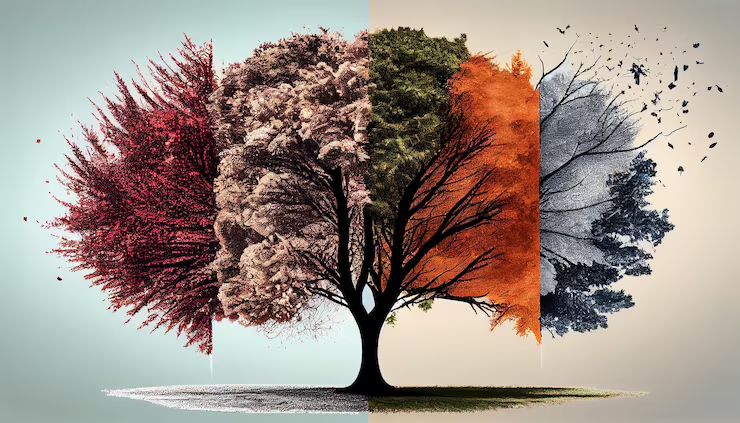
Reasons your Hair Changes Throughout The Seasons
If your hair behaves differently in January compared to July, you’re not imagining it.
Your scalp is a living environment filled with hair follicles, oil glands, blood vessels, and microorganisms that constantly react to external conditions.
When seasons change, several things happen:
- Humidity levels fluctuate
- UV exposure increases or decreases
- Oil production changes
- Scalp hydration shifts
- Hair fibres experience different levels of stress
Research has even found that concerns about hair shedding tend to increase during seasonal transitions, particularly in spring and autumn.
In simple terms, your hair is constantly adapting to its environment.
The smarter approach isn’t fighting those changes.
It’s adjusting your routine to support them.
Spring: Do you Notice More Hairfall In The Shower
Many men become concerned when they notice increased shedding during spring.
You run your hands through your hair and see more strands than usual.
Naturally, your first thought is:
“Am I losing my hair?”
Not necessarily.
What’s actually causing this?
Hair follicles follow growth cycles.
During seasonal transitions, more hairs can enter the shedding phase at the same time, creating the appearance of sudden hair loss.
This type of shedding is often temporary.
The key is understanding the difference between seasonal shedding and progressive thinning.
Seasonal shedding usually occurs across the entire scalp.
Male pattern hair loss typically affects specific areas such as the temples and crown.
Step 1: Give Your Scalp A Proper Reset
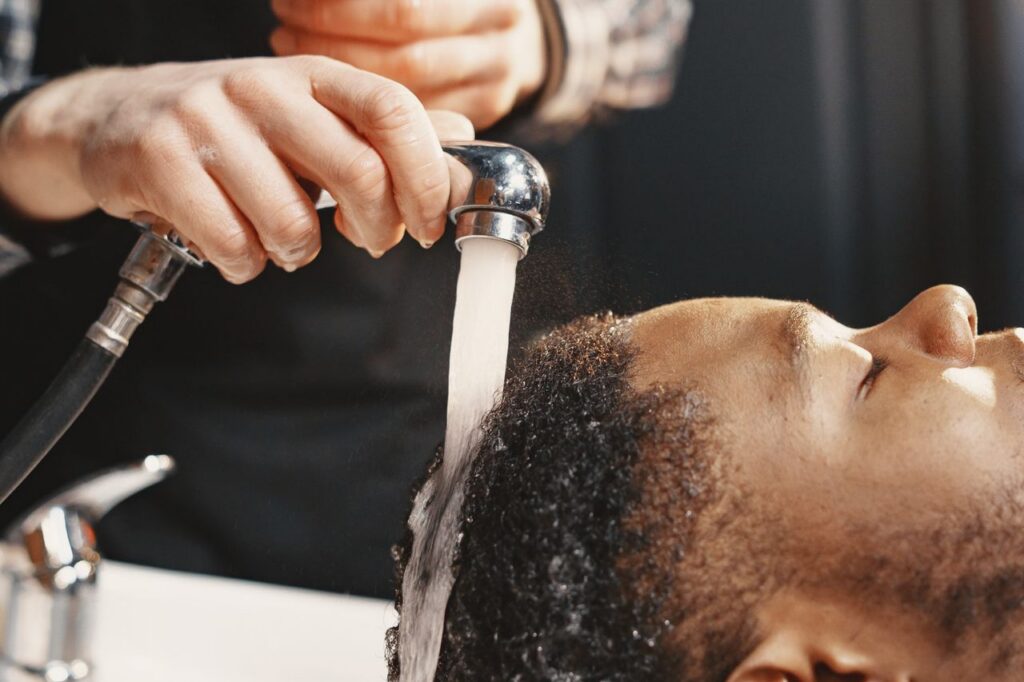
After months of winter dryness, product buildup and dead skin can accumulate on the scalp.
This creates an unhealthy environment for hair follicles.
What Should You Do?
- Use a gentle clarifying shampoo once per week
- Massage your scalp during washing
- Remove excess oil and buildup
- Avoid aggressively scrubbing the scalp
Think of spring as a fresh start for your scalp.
A cleaner scalp creates a healthier environment for future hair growth.
Step 2: Rebuilding Your Nutrient Intake
Let’s be honest.
Winter eating habits aren’t always the healthiest.
Heavy meals, less sunlight, and lower activity levels can affect overall health—including your hair.
Hair follicles are among the most metabolically active structures in the body.
They require a constant supply of nutrients to function properly.
You can easily do this by focusing On Foods Rich In:
- Protein
- Iron
- Zinc
- Vitamin D
- Omega-3 fatty acids
Good choices include:
- Eggs
- Salmon
- Lean meats
- Spinach
- Nuts
- Seeds
Before spending money on expensive supplements, improve your diet first.
Your hair often reflects what’s happening inside your body.
Summer: The Season That Damages Hair
Most men worry about winter damage.
But summer can be just as harsh.
Between UV rays, sweat, chlorine, salt water, and humidity, your hair faces multiple challenges every day.
The damage doesn’t always show immediately.
Instead, it builds gradually over the season.
Step 1: Protect Your Hair From UV Damage
Most people protect their skin from the sun.
Very few think about protecting their hair.
Here’s why that matters.
Ultraviolet radiation breaks down proteins inside the hair shaft and increases oxidative stress around the scalp.
Over time this can lead to:
- Dryness
- Increased breakage
- Weaker hair fibres
- Colour fading
What Should You Do?
- Wear breathable hats outdoors
- Seek shade during peak sunlight hours
- Use leave-in products with UV protection when possible
And no, hats do not cause baldness.
In fact, they help protect both your scalp and hair from sun-related damage.
Step 2: Control Sweat Before It Causes Problems
Summer heat increases sweat production.
Sweat mixes with oil, dirt, and styling products, creating an environment that may irritate the scalp.
What Should You Do?
For Men With Oily Hair:
- Wash daily if needed
- Use a gentle sulphate-free shampoo
- Focus on keeping the scalp clean
For Men With Dry Hair:
- Wash less frequently
- Use lightweight conditioners
- Avoid stripping natural oils
The goal isn’t washing more.
The goal is maintaining balance.
Step 3: Reduce Heat Damage
Here’s where many men accidentally create unnecessary damage.
Your hair is already dealing with environmental heat.
Adding daily blow-drying or styling tools only increases stress on the hair shaft.
What Should You Do?
- Air dry whenever possible
- Use lower heat settings
- Apply heat protectants before styling
Small changes can dramatically reduce breakage over time.
Autumn: Don’t Mistake Seasonal Shedding For Baldness
Autumn often creates the most anxiety for men concerned about hair loss.
You notice more hair on your pillow.
More hair in the shower.
More hair in your comb.
Immediately, you start imagining worst-case scenarios.
Before you panic, seasonal shedding is surprisingly common.
Step 1: Understand The Difference Between Shedding And Hair Loss
Seasonal shedding is usually temporary.
Male pattern baldness is progressive.
Seasonal Shedding Typically Looks Like:
- Hair falling from all areas of the scalp
- Increased shedding for several weeks
- No obvious bald patches
Male Pattern Hair Loss Usually Looks Like:
- Receding hairline
- Crown thinning
- Gradual miniaturisation over time
Understanding the difference can save a lot of unnecessary stress.
Step 2: Strengthen Hair Before Winter Arrives
As temperatures begin to drop, moisture levels often decrease.
Hair fibres become more vulnerable to dryness and breakage.
What Should You Do?
- Use hydrating conditioners regularly
- Increase water intake
- Eat adequate protein
- Avoid excessive heat styling
Healthy hair is more resilient when environmental stress increases.
Winter: The Season Of Dryness And Breakage
Winter creates a perfect storm for hair problems.
Cold outdoor air contains less moisture.
Indoor heating removes even more humidity.
The result?
Dry scalp, brittle hair, increased static, and greater breakage.
Step 1: Stop Stripping Your Hair Of Moisture
Many men accidentally make winter dryness worse.
The biggest culprit?
Very hot showers.
Hot water removes protective oils that help maintain scalp hydration.
What Should You Do?
- Use lukewarm water
- Choose moisturising shampoos
- Condition consistently
- Limit overwashing
Your scalp needs moisture during winter more than any other time of year.
Step 2: Manage Dandruff Before It Gets Worse
Winter often triggers dandruff flare-ups.
Dry indoor environments can increase flaking and irritation.
At the same time, yeast naturally present on the scalp may contribute to inflammation.
What Should You Do?
- Use anti-dandruff shampoo consistently
- Avoid scratching the scalp
- Keep the scalp clean without over-drying it
If symptoms persist for several months, seek professional advice.
The Year-Round Habits That Matter More Than Any Season
Seasonal adjustments help.
But some habits benefit your hair regardless of the weather.
Prioritise Sleep

Hair follicles undergo repair and regeneration during sleep.
Poor sleep increases stress hormones, which may negatively affect hair growth cycles.
Aim for consistent, quality sleep every night.
Manage Stress Before It Affects Your Hair
This is often overlooked.
Chronic stress can push more hairs into the shedding phase, leading to increased hair fall.
Simple habits can make a difference:
- Regular exercise
- Walking
- Meditation
- Deep breathing
- Hobbies that help you relax
Healthy hair starts with a healthy body.
Avoid Smoking
Smoking reduces blood flow and increases oxidative stress throughout the body.
Hair follicles rely heavily on a healthy blood supply.
Less circulation means fewer nutrients reaching the follicles.
Over time, this may contribute to thinning and premature hair ageing.
Act Early If You Notice Hair Loss
Here’s where many men wait too long.
If you’re noticing consistent thinning, don’t spend months experimenting with random products.
Some treatments have strong scientific evidence behind them, while many popular online solutions do not.
The earlier you address hair loss, the better your chances of maintaining existing hair.
Seasonal Haircare Advice Based On Your Hair Type
For Men With Oily Hair
- Increase washing frequency during summer
- Use lightweight products
- Avoid heavy oils
For Men With Dry Hair
- Focus on hydration during autumn and winter
- Use conditioners regularly
- Limit hot showers
For Men Experiencing Hair Loss
- Monitor seasonal changes carefully
- Track progress with photos
- Seek professional advice if thinning continues
For Men With Dandruff
- Keep the scalp clean year-round
- Use anti-dandruff treatments consistently
- Address flare-ups early
Key Takeaways
- Your hair’s needs change throughout the year.
- Seasonal shedding is often temporary and not always a sign of baldness.
- Summer UV exposure can weaken hair and damage the scalp.
- Winter dryness requires extra hydration and scalp care.
- Nutrition, sleep, and stress management support healthy hair in every season.
- Small seasonal adjustments can significantly improve long-term hair health.
Final Thoughts
Healthy hair isn’t built from a single shampoo or miracle product.
It’s the result of understanding what your hair needs throughout the year and making small adjustments when seasons change.
Pay attention to your scalp, protect your hair from environmental stress, and stay consistent with the basics. When you work with the seasons instead of against them, maintaining stronger, healthier hair becomes much easier.