



Noticing more hair in the shower drain lately?
Maybe your hairline isn’t quite where it used to be. Or perhaps you’re starting to see more scalp when you look in the mirror.
If so, you’re not alone.
Hair loss affects millions of men, and for many, it starts much earlier than expected. The good news? You don’t have to sit back and watch it happen.
Modern research has given us a much better understanding of what causes hair loss and, more importantly, what actually works to slow it down.
Let’s look at 10 proven ways to protect your hair and keep more of it for longer.
Step 1: Don’t Wait Until It’s Too Late
Here’s the mistake most men make.
They wait until their hair loss becomes obvious before taking action.
The problem is that once hair follicles stop producing hair for long periods, regrowth becomes much harder.
What Should You Do?
If you notice:
- A receding hairline
- Thinning around the crown
- Increased shedding
Start addressing it early.
The sooner you act, the more hair you’re likely to keep.
Step 2: Use Minoxidil Consistently
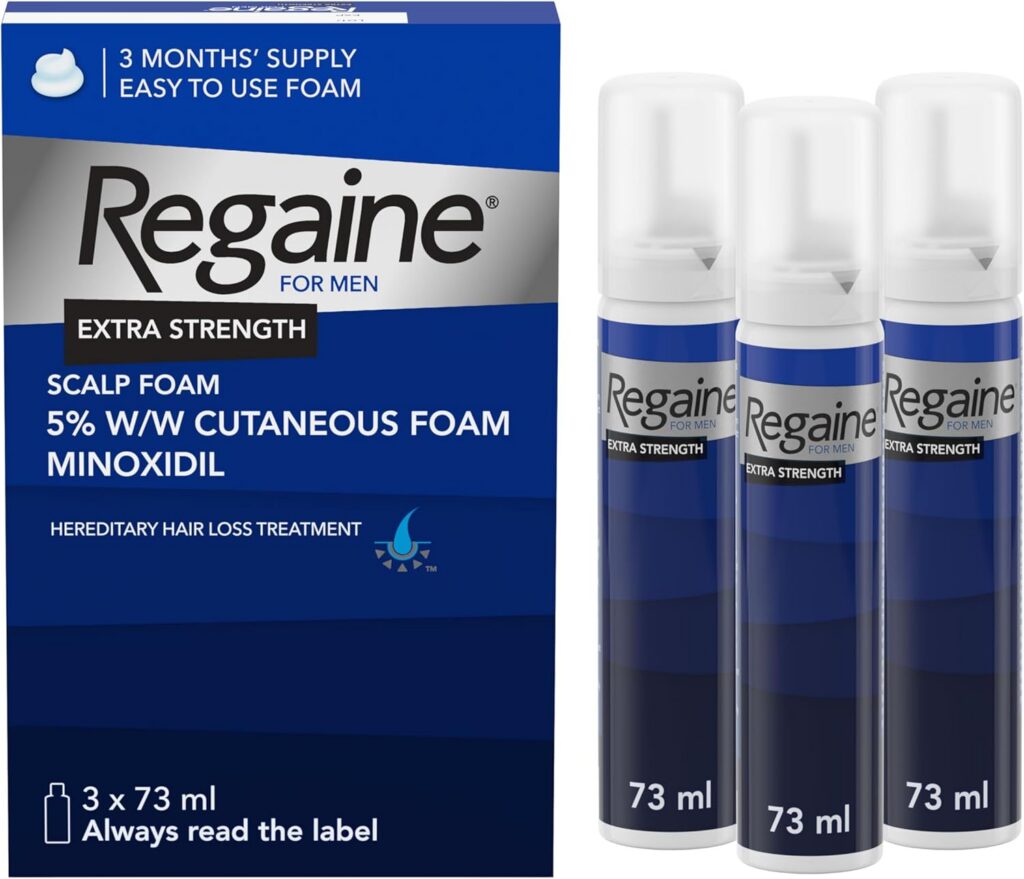
When it comes to proven hair loss treatments, minoxidil remains one of the most researched options available.
It works by extending the growth phase of hair follicles and improving blood flow around the scalp.
What Should You Do?
- Apply as directed every day
- Be patient with results
- Stick with it for several months
Here’s where many men get it wrong.
They stop after a few weeks because they don’t see immediate changes.
Hair growth takes time.
Consistency matters more than anything.
Step 3: Consider Finasteride If Hair Loss Is Progressing
If male pattern baldness is the cause of your thinning hair, DHT is usually the main culprit.
DHT gradually shrinks hair follicles until they produce thinner and weaker hairs.
Finasteride works by reducing DHT levels.
What Should You Do?
Speak with a healthcare professional to determine whether it’s suitable for you.
For many men, combining early treatment with proper medical guidance produces the best results.
Step 4: Focus On Scalp Health First
Most men focus on their hair.
The smarter move?
Focus on the scalp.
Your hair grows from follicles embedded in your scalp. If the scalp is inflamed, oily, clogged, or irritated, hair quality can suffer.
What Should You Do?
- Wash regularly
- Remove product buildup
- Treat dandruff early
- Use products suited to your scalp type
Healthy hair starts with a healthy scalp.
Step 5: Stop Damaging Your Hair Daily
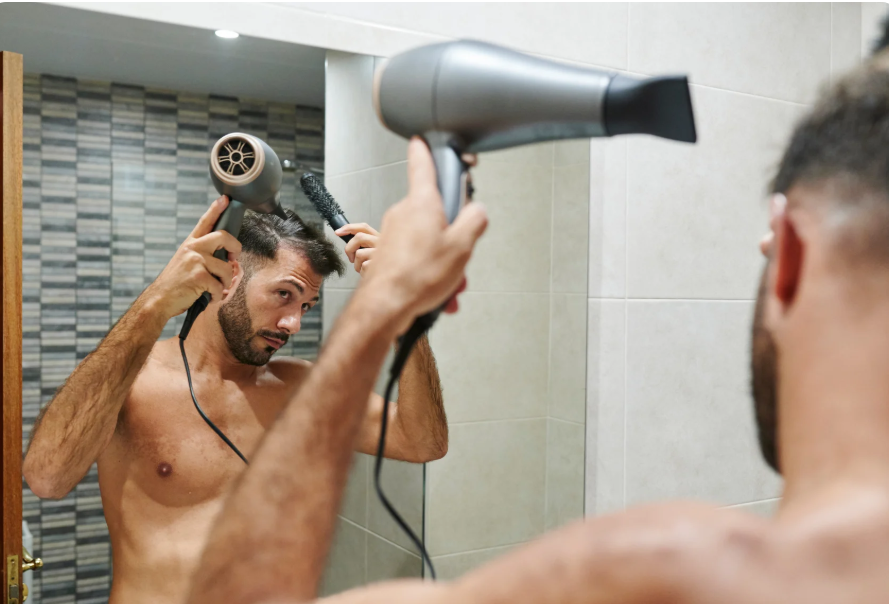
Not all thinning comes from hair loss.
Sometimes hair simply breaks faster than it grows.
Excessive heat styling, bleaching, and harsh grooming habits weaken the hair shaft and increase breakage.
What Should You Do?
- Reduce heat styling
- Use lower temperatures
- Avoid aggressive brushing
- Let hair air dry when possible
Stronger hair naturally looks fuller.
Step 6: Feed Your Hair The Right Nutrients

Hair follicles are constantly growing and repairing themselves.
That process requires nutrients.
When your diet lacks essential vitamins and minerals, shedding often increases.
Prioritise Foods Rich In:
- Protein
- Iron
- Zinc
- Vitamin D
- Omega-3 fatty acids
Good options include eggs, fish, lean meats, nuts, seeds, and leafy greens.
Before buying expensive supplements, fix your diet first.
Step 7: Get Your Stress Under Control

This is one of the most overlooked causes of hair shedding.
High stress levels can push more hairs into the shedding phase, leading to noticeable hair fall several months later.
What Should You Do?
- Exercise regularly
- Improve sleep quality
- Take breaks from work when needed
- Use stress-management techniques that work for you
Healthy hair and overall wellbeing often go hand in hand.
Step 8: Avoid Smoking And Limit Alcohol

Smoking reduces blood flow to hair follicles and increases oxidative stress throughout the body.
Over time, this may contribute to faster hair thinning.
Excessive alcohol can also affect hydration and nutrient absorption.
What Should You Do?
Reducing both habits can support better hair health while benefiting your overall health too.
Step 9: Be Careful With Viral Hair Growth Products

Every year, new products claim to be the next breakthrough.
Some emerging ingredients show promise, but many trendy products simply don’t have enough evidence behind them.
What Should You Do?
Before spending money, ask:
- Is there scientific research supporting it?
- Are the results long-term?
- Is it recommended by professionals?
If something sounds too good to be true, it usually is.
Step 10: Get A Professional Assessment

Not all hair loss is genetic.
Sometimes the cause can be:
- Nutritional deficiencies
- Thyroid problems
- Scalp conditions
- Autoimmune disorders
- Certain medications
What Should You Do?
If your hair loss is sudden, patchy, painful, or rapidly worsening, seek professional advice.
Getting the right diagnosis can save months of guesswork.
Hair Loss Advice Based On Your Situation
For Men In Their 20s
Start monitoring changes early and don’t ignore a receding hairline.
For Men With A Family History Of Baldness
Be proactive. Genetics remain the biggest risk factor.
For Men Experiencing Stress-Related Shedding
Focus on sleep, recovery, and stress management before assuming permanent hair loss.
For Men With Dandruff Or Scalp Issues
Address scalp inflammation first. A healthier scalp creates a better environment for hair growth.
Key Takeaways
- Early intervention gives the best chance of preserving hair.
- Minoxidil and finasteride remain among the most effective treatments.
- Scalp health plays a major role in hair quality.
- Nutrition, sleep, and stress management all influence hair growth.
- Avoid damage from excessive heat and harsh grooming.
- Ignore myths and focus on evidence-based solutions.
Final Thoughts
Hair loss can be frustrating, but it doesn’t have to be something you simply accept without a plan.
The most effective approach combines early action, proven treatments, healthy lifestyle habits, and realistic expectations. Focus on what works, stay consistent, and remember that hair growth is a long-term process.
Small actions today can make a significant difference to your hair in the months and years ahead.