

Have you noticed more hair fall on your pillow after a stressful few months?
Or maybe your hair has started looking thinner during a busy period at work.
If so, you’re probably wondering whether stress is causing your hair fall.
The answer is yes, but it’s not always that simple.
Stress, poor sleep, an unhealthy diet and other lifestyle habits can all affect your hair. While these factors don’t usually cause male pattern baldness, they can make existing hair loss more noticeable or trigger temporary hair shedding.
The good news?

Many of these factors are within your control.
Let’s look at how your everyday lifestyle could be affecting your hair.
Step 1: Understand How Stress Affects Hair Growth
Your hair doesn’t grow continuously.
Each strand moves through a natural growth cycle, including a growing phase (anagen), a resting phase (telogen) and a shedding phase (exogen).
When your body experiences significant physical or emotional stress, more hair follicles can enter the resting phase earlier than they should. A few months later, you may notice increased shedding, a condition known as telogen effluvium. Recent research continues to identify stress as a common trigger for this temporary form of hair loss.
What should you do?
If you’ve recently experienced illness, surgery, emotional stress or major life changes, don’t panic.
Hair often begins to recover once the underlying cause is addressed, although this can take several months.
Step 2: Lifestyle Habits That Could Be Making Hair Fall Worse
Poor Sleep
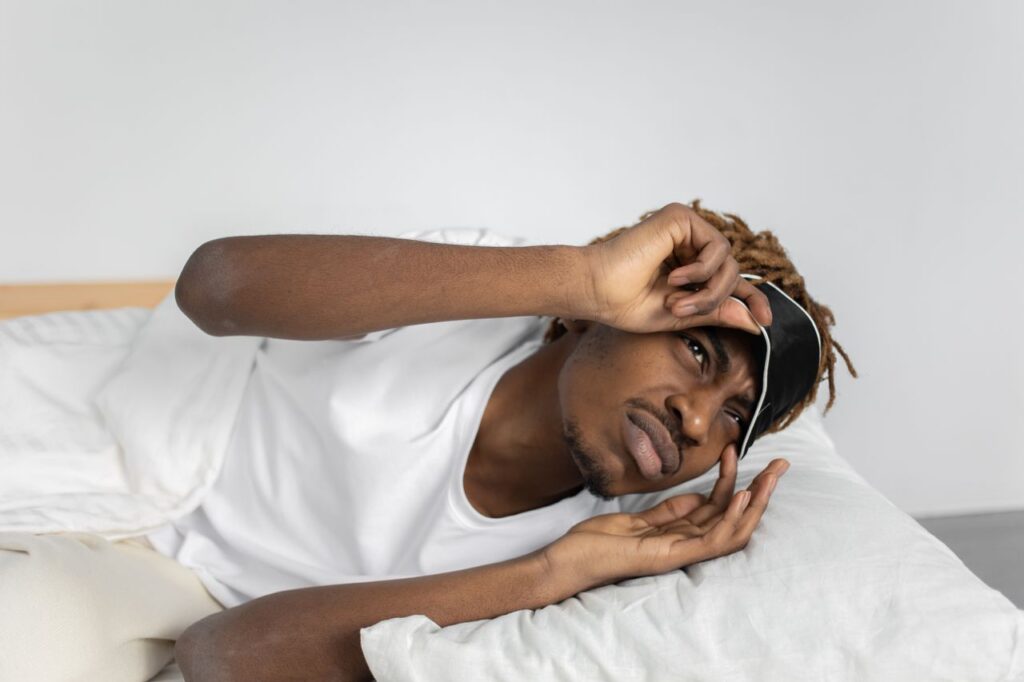
Here’s where most men get it wrong.
Sleep isn’t just important for your energy levels, it’s also when your body repairs and regenerates tissues, including those involved in healthy hair growth.
Aim for 7–9 hours of quality sleep each night to support your overall health.
An Unbalanced Diet
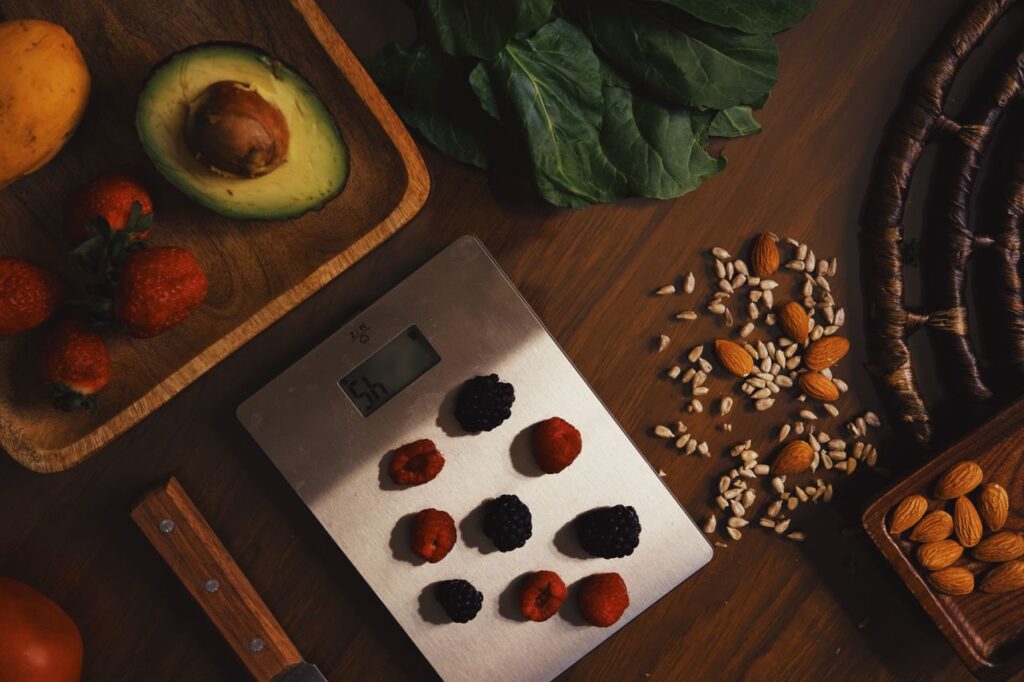
Your hair follicles need nutrients like protein, iron, zinc, vitamin D and healthy fats to function normally.
If your diet lacks these nutrients, your hair may become weaker and more prone to shedding.
Instead of relying on supplements, focus on eating:
- Eggs
- Oily fish
- Leafy greens
- Nuts and seeds
- Beans and lentils
Smoking and Excessive Alcohol
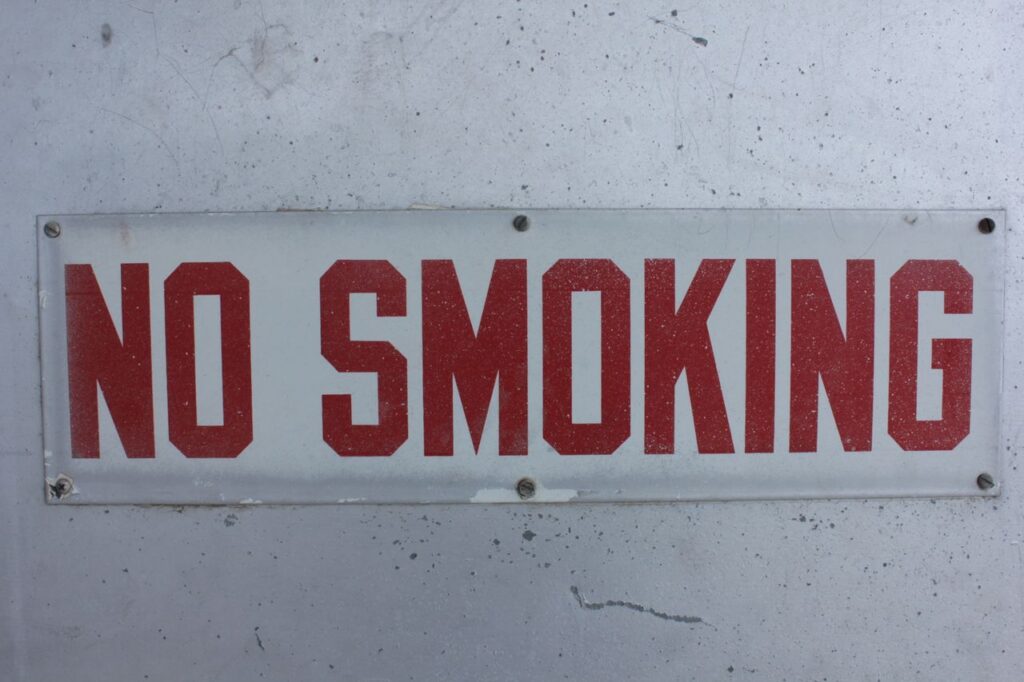
Smoking reduces blood flow throughout the body, including to the scalp, while excessive alcohol consumption may contribute to nutritional deficiencies over time.
Reducing or quitting smoking and drinking alcohol in moderation benefits not only your hair but your overall health.
Chronic Stress

Long-term stress can affect hormone levels and increase inflammation throughout the body, creating a less favourable environment for healthy hair growth.
Simple habits such as regular exercise, mindfulness, spending time outdoors or talking to someone you trust can help manage everyday stress.
Step 3: Build a Hair-Friendly Lifestyle
Healthy hair isn’t built overnight.
Small, consistent habits often make the biggest difference over time.
Start by:
- Eating a balanced diet.
- Exercising regularly.
- Sleeping well.
- Managing stress.
- Looking after your scalp with gentle hair care products.
If you’re experiencing genetic hair loss, lifestyle changes can support healthier hair, but they won’t stop male pattern baldness on their own. Evidence-based treatments such as topical minoxidil may also be appropriate for some men.
Different Situations
If You’re Under Work Stress
Take regular breaks, stay active and prioritise sleep to reduce the effects of prolonged stress.
If Your Hair fall Started After Illness
Temporary shedding is common after significant illness or surgery. If hair loss continues beyond several months, speak to your GP or a dermatologist.
If Hair Loss Runs in Your Family
Healthy habits support your hair, but genetic hair loss often requires medical treatment for the best results.
Key Takeaways
- Stress can trigger temporary hair shedding.
- Sleep, nutrition and exercise all support healthy hair growth.
- Smoking and excessive alcohol may negatively affect hair health.
- Lifestyle changes help create a healthier environment for your hair.
- Persistent or worsening hair loss should be assessed by a healthcare professional.
Final Thoughts
Your hair reflects more than just your genetics, it often reflects your overall health too.
While stress and poor lifestyle habits may not be the sole cause of hair loss, they can contribute to increased shedding and weaker-looking hair.
The good news is that small changes can have a lasting impact.
Eat well, sleep better, manage stress and stay consistent with your hair care routine. Over time, these habits can support healthier hair and improve your overall wellbeing.