


Noticing More Hair in the Shower Drain Lately? Here is What to Do
You are not alone.
Maybe you have started seeing extra strands on your pillow, your hairline looks slightly different in recent photos, or your barber mentioned your hair feels a bit thinner on top.
Before you panic: hair loss rarely happens overnight. In most cases, it develops gradually. The upside to a slow progression is that the earlier you catch it, the better your odds of managing it effectively.
Finding a solution is not about a lack of options—there are more treatments available today than ever. The real challenge is separating what actually works from aggressive marketing. Here is a realistic step-by-step approach to tackling hair thinning.
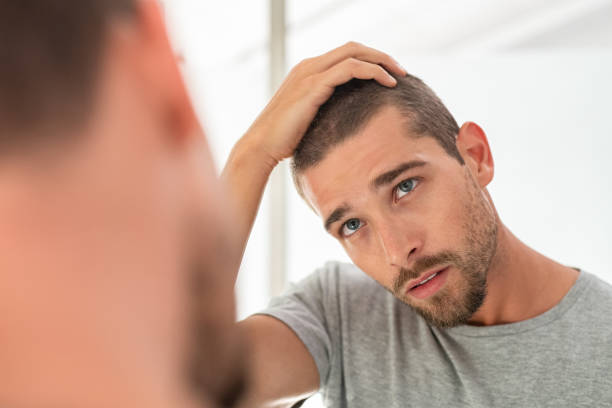
Step 1: Identify the Root Cause First
This is where most men stumble. They panic and buy random serums or supplements without understanding why their hair is shedding.
While genetics play a major role, hair loss is not always hereditary. Stress, nutritional gaps, sudden illness, thyroid issues, medications, and scalp inflammation can all trigger excessive shedding.
Ask yourself these key questions:
- Timing: Did the shedding start suddenly or has it been a slow shift over years?
- Lifestyle: Has your stress spiked recently, or has your sleep quality dropped?
- Nutrition: Are you eating enough protein and micro-nutrients?
- Genetics: Do other men on either side of your family experience pattern baldness?
- Scalp Health: Is your scalp itchy, red, flaky, or overly oily?
Understanding your specific pattern prevents you from wasting time and money on treatments designed for a completely different issue.
Step 2: Address the Lifestyle Basics
Miracle products cannot overcome a poor foundation. Your hair follicles rely on steady oxygen, nutrients, and a healthy scalp environment to produce strong strands.
Before spending heavily on medical treatments, optimize your daily routine:
- Nutrient-Dense Diet: Hair is made of protein (keratin). Prioritize eggs, poultry, fish, Greek yogurt, and legumes.
- Key Micronutrients: Ensure adequate intake of iron, zinc, and vitamin D through leafy greens, red meat, or targeted supplementation if deficient.
- Stress Management: High cortisol levels can force hair follicles into a premature resting phase. Regular exercise, consistent sleep, and downtime help mitigate stress-induced shedding.
- Avoid Physical Tension: Ditch tight hats, harsh pulling, or styles that place excess tension on your hairline (traction alopecia).
Step 3: Prioritize Scalp Health
Your scalp is the soil in which your hair grows. Ignoring it while trying to fix thinning hair is a losing battle. Chronic inflammation, excessive sebum buildup, and dandruff create an unfavorable environment for optimal hair production.
How to care for your scalp:
- Wash consistently: Use a shampoo tailored to your scalp type to clear away dead skin and natural oils without stripping moisture.
- Address flakes early: If you have active dandruff, use an anti-fungal shampoo containing ingredients like ketoconazole, zinc pyrithione, or salicylic acid.
- Avoid heavy buildup: Keep styling products away from the roots to keep follicles clear.
Step 4: Focus on Science-Backed Treatments
The hair loss market is flooded with quick-fix promises. When evaluating active treatments, stick to options backed by clinical evidence.
| Treatment | How It Works | Key Consideration |
| Minoxidil (Topical or Oral) | Widely used vasodilator that increases blood flow and nutrient delivery to follicles, extending the active growth phase. | Requires consistent daily application; stopping treatment reverses progress. |
| Finasteride (Oral or Topical) | Targets the hormone DHT (dihydrotestosterone), the primary driver of male pattern baldness, to protect sensitive follicles. | Requires a prescription; consult a medical professional to discuss suitability. |
| Low-Level Laser Therapy (LLLT) | Uses light energy to stimulate cellular activity within the hair follicle. | Results vary; best used as a supportive therapy alongside other treatments. |
| Hair Transplants | Relocates DHT-resistant follicles from the back of the head to thinning areas. | A permanent surgical option, typically reserved for later stages after stabilizing loss. |
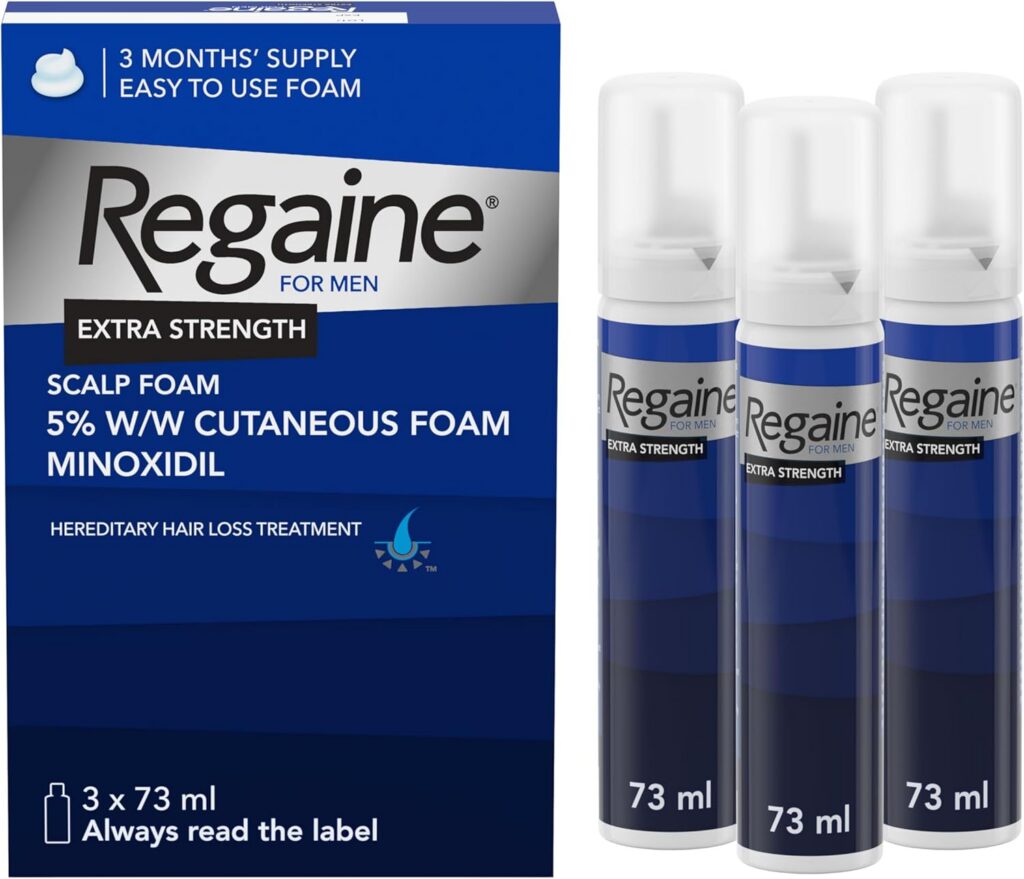
Matching Strategy to Your Situation
- Early Thinning: Focus on scalp hygiene, optimize nutrition, and consider starting low-friction preventive treatments early to retain existing density.
- Flaking or Itching: Treat the underlying scalp condition first. Irritation accelerates shedding, and resolving inflammation often slows down active loss.
- High Stress: Prioritize recovery, sleep, and lifestyle management. Stress-related shedding (telogen effluvium) is often temporary once the body recovers.
- Strong Family History: Monitor changes using monthly photos in consistent lighting. Early intervention yields significantly better retention than trying to regrow lost density years later.
The Golden Rule: Consistency Over Quick Fixes
Hair grows slowly—roughly 1 to 1.5 centimeters per month. Because hair cycles take time to reset, most evidence-based treatments require 3 to 6 months of continuous use before visible improvements appear.
Consistency is the single most important factor in any hair care routine. Pick a clear, realistic plan, track your progress with monthly photos, and give your hair the time it needs to respond.
Need personalized guidance? If you are unsure what is causing your shedding, schedule a consultation with a dermatologist or healthcare professional to build a targeted treatment plan.