
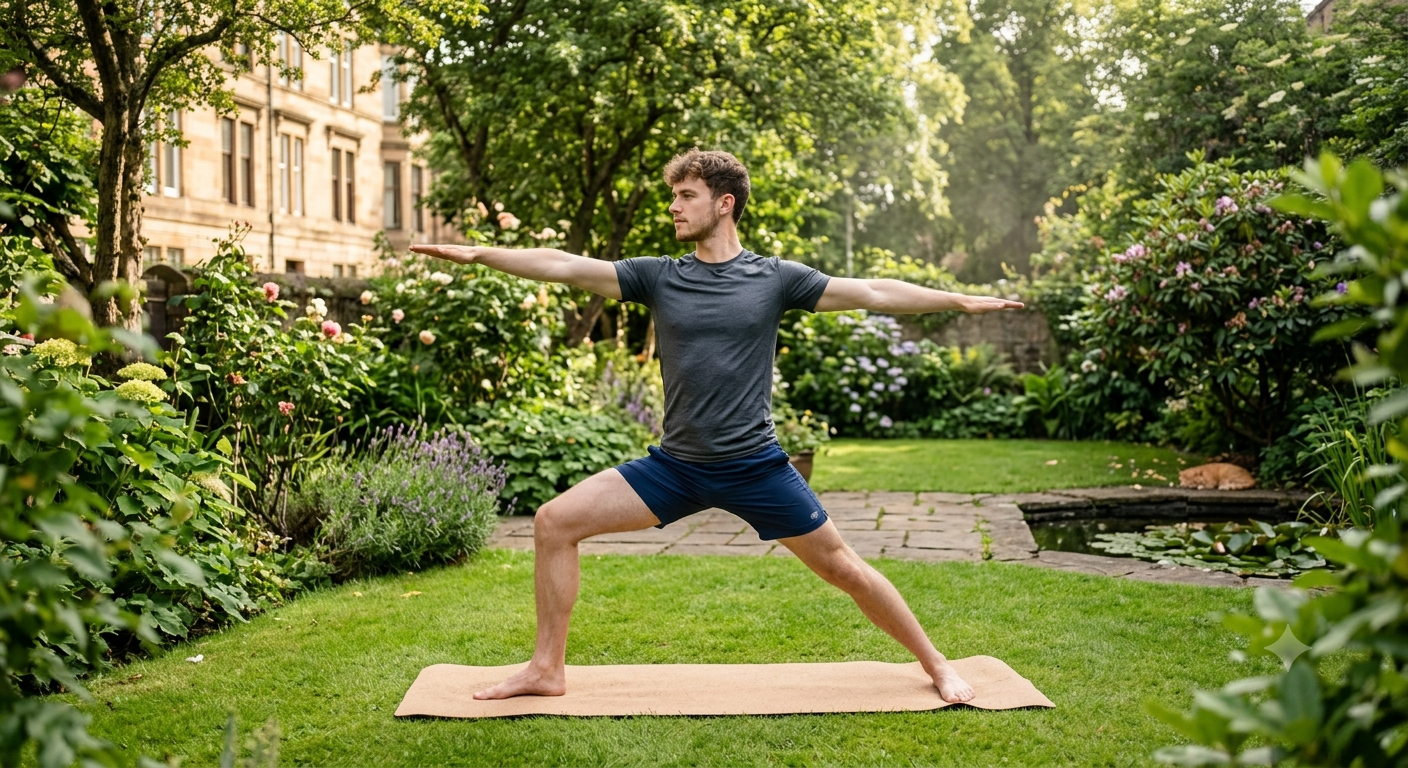
Ever wondered if yoga for hair can actually help reduce hair fall and support healthier hair growth?
If you’ve been relying only on shampoos, hair oils, or supplements, you might be overlooking one of the simplest natural habits. While yoga for hair won’t magically regrow hair overnight, it may help improve scalp circulation, reduce stress, and create a healthier environment for your hair follicles.
In this guide, you’ll discover the best yoga poses for hair growth, how they work, and how to add them to your weekly routine.
💡 Did You Know?
Stress is one of the common triggers for telogen effluvium, a temporary type of hair shedding. Regular yoga may help lower stress levels, improve sleep, and support overall well-being.
Why Should Men Try Yoga for Hair?
Let’s be honest. When most men think about hair care, yoga probably isn’t the first thing that comes to mind.
But here’s where things get interesting.
Hair follicles need oxygen, nutrients, and good blood circulation to stay healthy. At the same time, chronic stress may increase cortisol levels, which has been linked to temporary hair shedding in some people.
Although yoga isn’t a treatment for male pattern baldness, it may support healthier-looking hair by improving overall wellbeing and reducing stress.
Benefits of Yoga for Hair
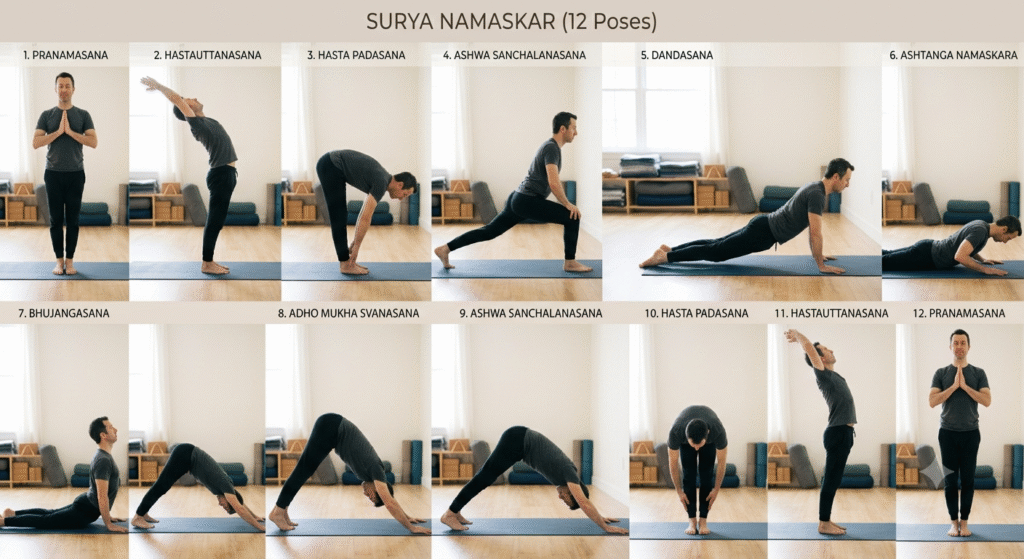
Regular yoga offers much more than improved flexibility.
It may also support healthier hair by:
- Improving blood circulation to the scalp: Gentle movement and massage techniques may encourage circulation around the scalp, helping deliver oxygen and nutrients to tissues while supporting overall scalp health.
- Helping reduce stress and cortisol levels: Relaxation-based activities may help manage stress responses and reduce cortisol levels, which can support overall wellbeing and promote a calmer physical state.
- Supporting better sleep and recovery: Regular relaxation and physical activity can help prepare the body for rest, potentially improving sleep quality and supporting physical recovery after daily activities.
- Encouraging relaxation throughout the body: Stretching, controlled breathing and gentle movements can help release physical tension, creating a greater sense of relaxation and comfort throughout the body.
- Promoting healthier lifestyle habits: Making time for regular movement and relaxation can encourage a more consistent self-care routine and support healthier daily habits over time.
- Improving posture and reducing muscle tension: Gentle stretching and mindful movement can strengthen body awareness, improve posture and help relieve stiffness or tension caused by prolonged sitting or poor positioning.
- Supporting overall physical and mental well-being : Combining movement, relaxation and healthy routines can contribute to general well-being by supporting physical comfort, stress management, mobility and a more balanced lifestyle.
Think of yoga as another piece of your healthy hair routine—not a replacement for proper hair care.
7 Best Yoga Poses for Hair
1. Downward Facing Dog
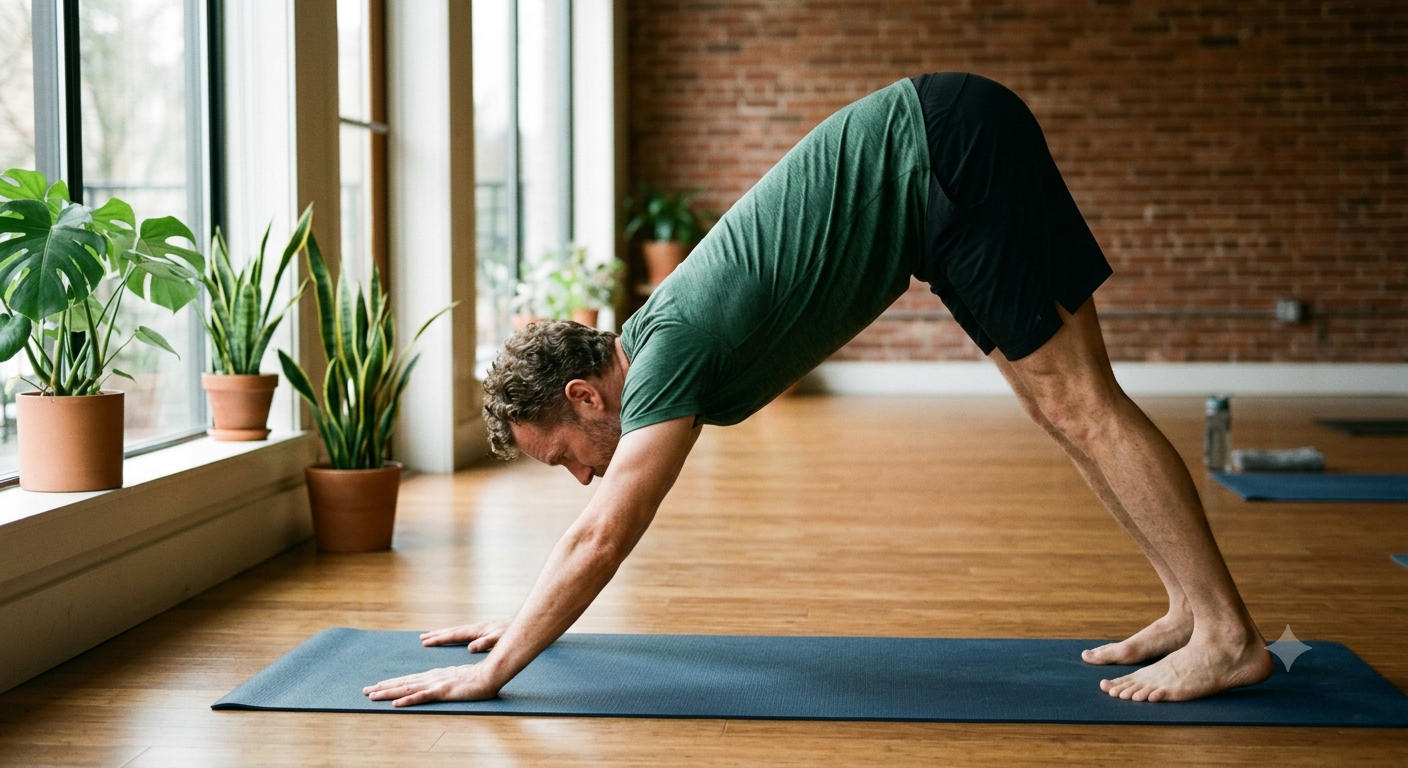
This beginner-friendly pose encourages blood flow towards the head while stretching your back, shoulders, and hamstrings.
Why it helps
- It may improve scalp circulation and support a healthier scalp.
- It helps reduce body tension and promotes relaxation.
- It is simple and easy for beginners to practise.
2. Standing Forward Bend
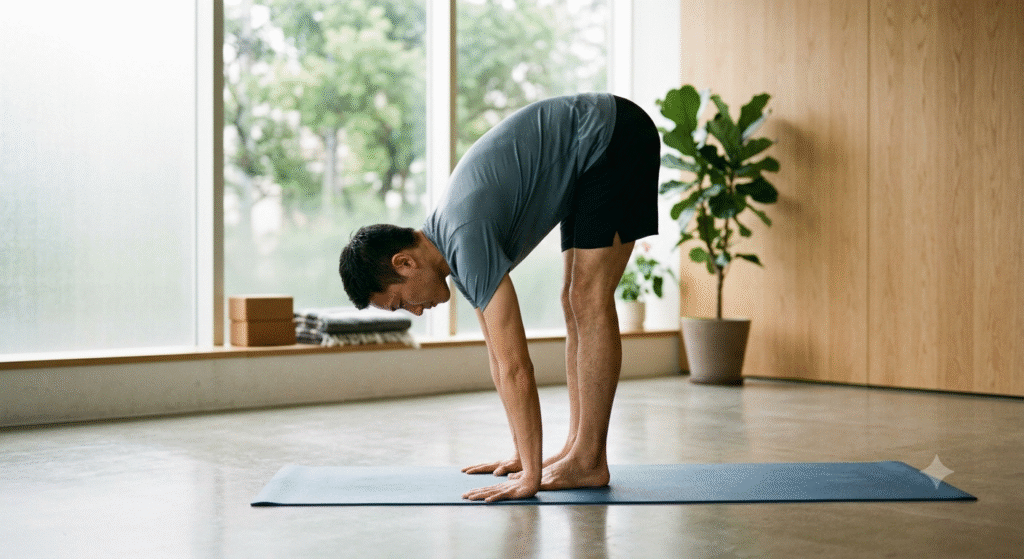
Bending forward naturally increases blood flow towards your scalp while stretching the back of your legs and spine.
Why it helps
- It encourages healthy circulation throughout the body.
- It helps relax the nervous system and promotes a sense of calm.
- It may help reduce stress and tension.
3. Child’s Pose
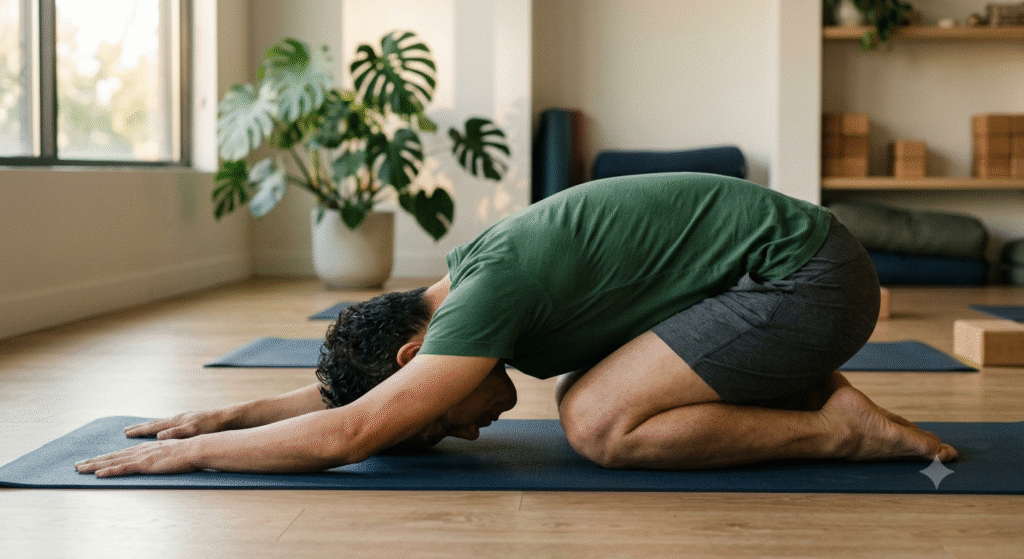
Feeling stressed after work?
Child’s Pose is one of the easiest yoga positions to help calm both your mind and body.
Why it helps
- It encourages relaxation and helps you feel more comfortable.
- It helps reduce stress and promotes a calmer state of mind.
- It is a great addition to your bedtime routine.
4. Cat-Cow Stretch
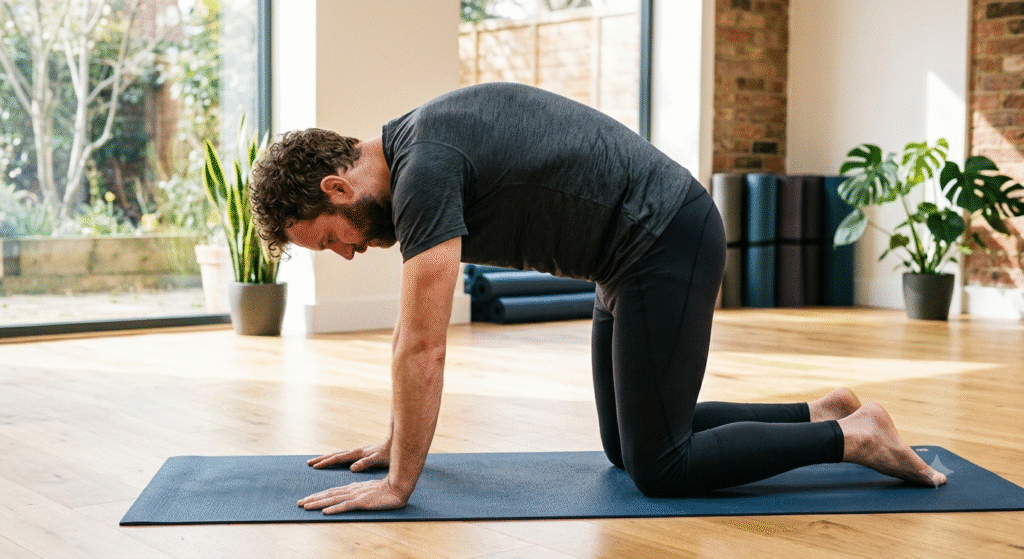
This flowing movement improves flexibility while encouraging healthy blood circulation throughout the body.
Why it helps
- It helps improve posture and body alignment.
- It relieves stiffness and reduces muscle tension.
- It supports healthy circulation throughout the body.
5. Camel Pose
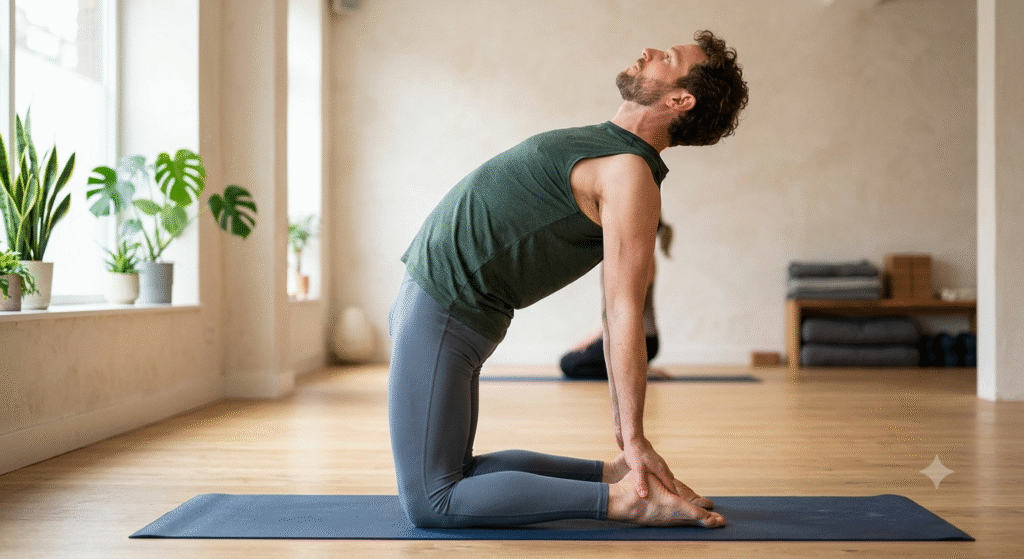
Camel Pose stretches the front of your body and opens your chest, helping improve posture after long hours sitting at a desk.
Why it helps
- It opens the chest and helps improve flexibility.
- It encourages deeper and more relaxed breathing.
- It supports healthy circulation throughout the body.
6. Legs Up the Wall
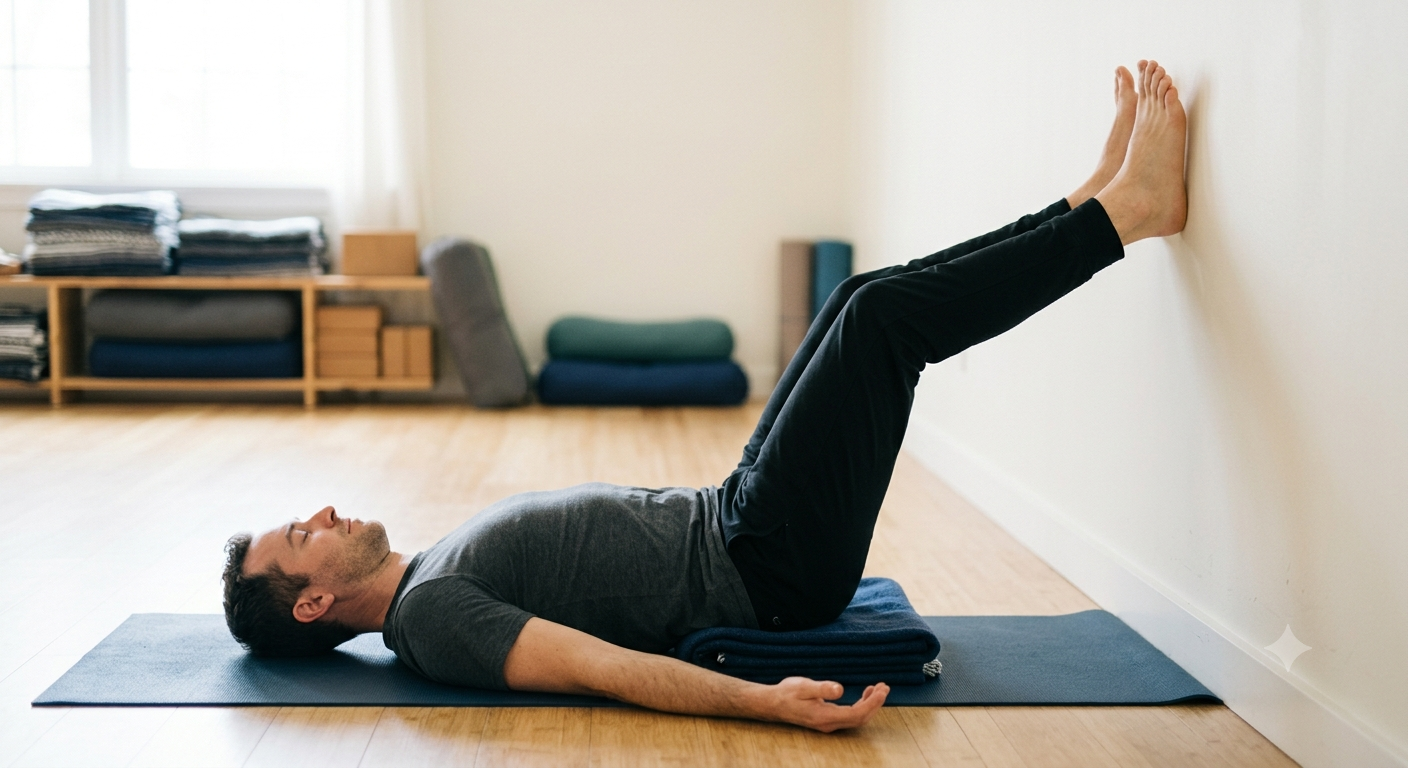
One of the easiest and most relaxing yoga poses.
Simply lie on your back and rest your legs against a wall for 10–15 minutes.
Why it helps
- It relaxes tired legs after a long or active day.
- It encourages healthy circulation and helps relieve tension.
- It is perfect to use before bed as part of a relaxing evening routine.
7. Alternate Nostril Breathing (Pranayama)
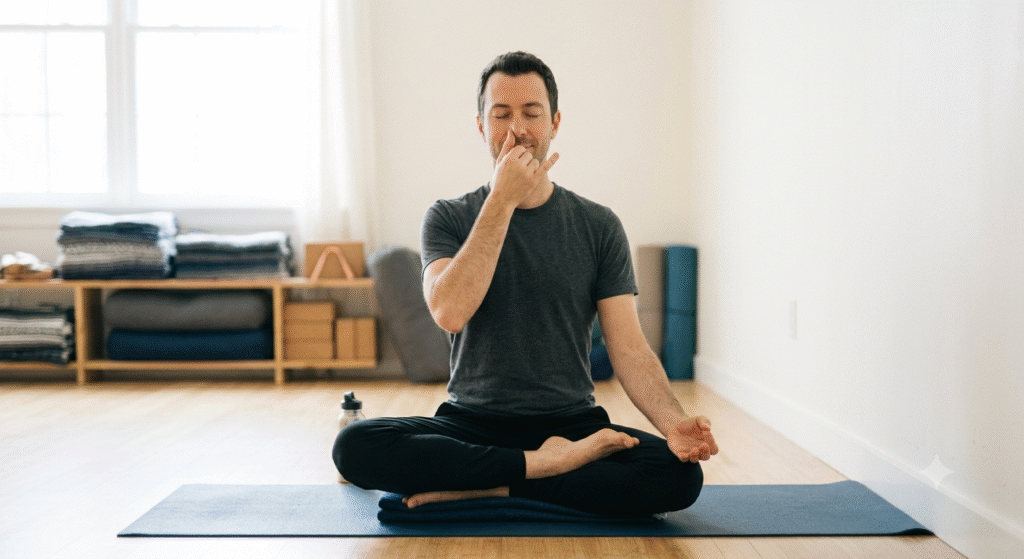
Healthy hair starts with a healthy body—and breathing exercises can help you manage daily stress.
Why it helps
- It promotes relaxation and helps you feel more at ease.
- It reduces stress and supports a calmer state of mind.
- It complements your yoga routine by enhancing relaxation and overall well-being.
FAQs
Q1. Does yoga help hair growth?
Yoga can provide immediate relaxation by calming the nervous system and reducing muscular tension. Regular practice of yoga provides benefits in the long run.
Q2. How often should you do yoga for stress relief?
Practicing even 20–30 minutes daily can significantly help manage stress and improve emotional balance.
Q3. Can yoga reduce hair fall?
Yoga may help reduce stress-related hair shedding, but it won’t reverse genetic hair loss.
Q4. Is yoga better than the gym for healthy hair?
Both are beneficial. Yoga helps reduce stress and improve flexibility, while regular exercise supports circulation and overall health.
Key Takeaways
- Yoga for hair supports healthy hair by improving circulation and reducing stress.
- Practice 20–30 minutes, 3–5 times a week for the best results.
- Combine yoga with good sleep, nutrition, and a healthy hair care routine.
- Don’t expect overnight results—consistency is key.
- Healthy hair starts with healthy daily habits.